Rum & Spirit Drink
Please note: stock and availability in our store may vary! More info
Bacardi Reserva Limitada 1l Tube Incl.
12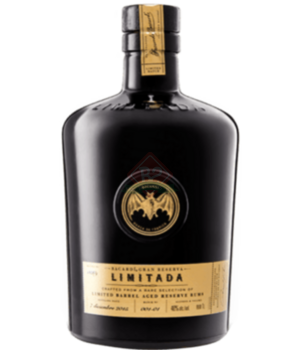
Bacardi Reserva Limitada 1l Tube Incl.
In stock
Bacardi Reserva Limitada 1l is an aged dark rum from Puerto Rico, made in the Bacardi style but clearly intended for slower, more considered drinking. It is the one-litre version of Bacardi Gran Reserva Limitada: a blend of selected and scarce rum reserves made from sugarcane molasses, bottled at 40% ABV.
The rum is connected to Bacardi production in Cataño, Puerto Rico, where Casa Bacardi holds an important place in the brand's story. Reserva Limitada was originally created by the Maestros de Ron Bacardi in honour of Don Facundo Bacardi Massó, the Bacardi family and the opening of the visitor centre in Puerto Rico. That background gives this bottling a more reserved and traditional role within the Bacardi range.
Lightly charred American white (…)Your web-only benefit:
€ 29,62 / 20%Dictador 79 Aurum Incl. Box
8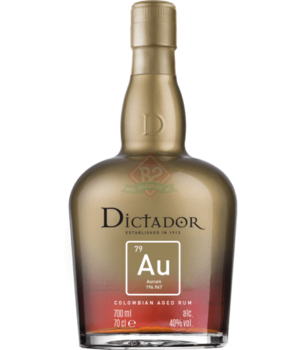
Dictador 79 Aurum Incl. Box
In stock
Dictador 79 Aurum is an aged Colombian rum from Cartagena de Indias on Colombia's Caribbean coast. Within Dictador's range it sits firmly in the more mature, contemplative style, made from virgin sugar cane honey, a concentrated sugar cane juice, rather than molasses.
At Drankenshop Broekmans, Aurum stands out for the way it brings together maturity and a sipping-focused character. The producer describes it as a blend with a stated maturation of 25 to 35 years, with bourbon barrel influence. That gives context to its dry, rich profile built around coffee, honey, vanilla, oak and spice.
This is a rum to pour neat and take slowly. The official serving context also mentions pairings with dark chocolate and cigars, which suits its calm, after-dinner style far (…)Your web-only benefit:
€ 14,40 / 15%Guyana Diamond 2003 (The Nectar - Daily Dram)
LAST PIECES11360° view available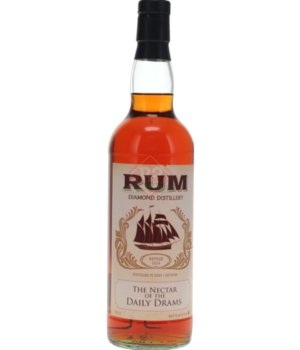
Guyana Diamond 2003 (The Nectar - Daily Dram)
In stock
Guyana Diamond 2003 has the appeal of a very clearly defined rum: distilled in 2003, bottled in 2015, and drawn from a single bourbon barrel. As a Daily Dram bottling, it is not presented as a broad house style, but as one specific twelve-year-old cask selection.
At Drankenshop Broekmans, bottles like this are interesting because they give rum drinkers something concrete to explore. The Guyana origin, the Diamond name, traditional column distillation and bourbon barrel maturation all point toward a style where fruit, spice and wood are central, with sweetness playing a quieter supporting role.
Bottled at 46.8% and at cask strength, it keeps a direct link to the individual cask. With only the last bottles remaining, this is a limited release for those who (…)Your web-only benefit:
€ 28 / 20%Jamaica Mjh3 2012 10y For The Nectar (Campbeltown Whisky Company - Watt Whisky) Incl. Box
9360° view available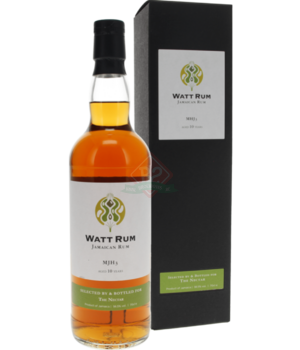
Jamaica Mjh3 2012 10y For The Nectar (Campbeltown Whisky Company - Watt Whisky) Incl. Box
In stock
Jamaica Mjh3 2012 10y For The Nectar is a Jamaican molasses rum, distilled in 2012 and bottled in 2023 after 10 years of ageing. It is a pot still rum and was bottled at cask strength, 56.5%, keeping the presentation direct and full of natural strength.
The appeal here lies in its very narrow focus: one bourbon barrel, yielding just 244 bottles. At Drankenshop Broekmans, bottlings like this are valued for the way they show a single cask rather than a broad, standardised house style.
The For The Nectar name gives this release a Belgian connection, while the last-bottles indication underlines its limited nature. This is a compact snapshot of Jamaican pot still rum: 10 years old, single cask, and bottled without reducing its strength.
The profile (…)Your web-only benefit:
€ 24,88 / 20%New Grove 10y
4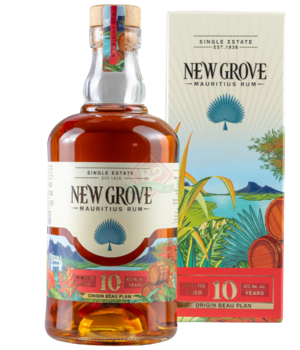
New Grove 10y
In stock
New Grove 10y is a molasses rum from Mauritius, made in a traditional column style and matured for at least ten years. It presents a mature side of Mauritian rum, with enough age to bring depth while keeping a sense of finesse.
The maturation in new French casks and cognac casks gives this cuvée much of its identity. There is structure from the wood, a measured spicy side and a clear fruity core. Bottling at 42% helps keep the rum refined rather than heavy.
At Drankenshop Broekmans, we see this as a rum for customers who want to explore Mauritius through a well-aged, elegant style. It has presence, but it remains rounded and composed, with the cask influence supporting rather than overwhelming the fruit.
The aroma brings together citrus (…)Your web-only benefit:
€ 10,08 / 20%Panama 2006 19y (Cadenhead's Single Cask)
LAST PIECES9360° view available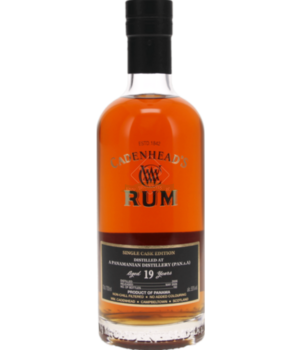
Panama 2006 19y (Cadenhead's Single Cask)
In stock
Panama 2006 19y from Cadenhead's is a Panamanian molasses rum with a very clearly defined identity. It belongs to the Cadenhead's Single Cask range, so the rum comes from one individual cask rather than from a broader blend, giving a focused view of this particular maturation.
It was distilled in a traditional column style and matured in a Bourbon Barrel. With 19 years of age and a strength of 55%, it has real presence, yet the supplied tasting profile points just as much toward dark fruit, sweetness and a measured spicy edge as it does toward power.
At Drankenshop Broekmans, we see this as a rum to introduce with a little attention: a single cask from Panama, now down to the last bottles, for drinkers who enjoy discovering the personality of one specific (…)Your web-only benefit:
€ 24 / 20%Pumpkin Face White
LAST PIECES4360° view available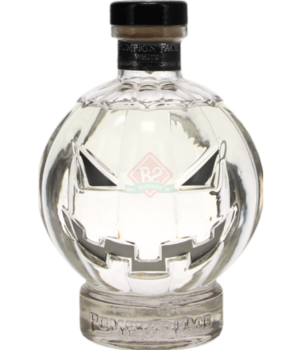
Pumpkin Face White
In stock
Pumpkin Face White is a white rum from Pumpkin Face, produced in the Dominican Republic and bottled at 40% alcohol. The available information keeps the focus very clear: a Dominican white rum, with no additional maturation or cask details supplied, so the identity of the bottle rests on its style, origin and name.
At Drankenshop Broekmans, it sits in the selection as a straightforward choice for customers specifically looking for a white rum with Dominican roots. With the product marked as last bottles, availability is clearly limited, adding a quiet sense of scarcity without overstating the story.
No specific tasting notes are provided for Pumpkin Face White. For that reason, we do not add aromas, flavours, texture or finish details that are not supported by (…)Your web-only benefit:
€ 7,90 / 15%
Frequently asked questions
Answers to most frequently asked questions about rum
What is rum?
Rum is a liquor made from sugar cane. It can be made via molasses (the syrupy by-product of sugar production) or via fresh sugarcane juice. After fermentation and distillation, you have the base, which is then often aged in wooden barrels. As simple as it sounds, the result is versatile: from light and fresh to deep and complex.
Europe has imposed rules and distinguishes between "rum" and "spirit drink". A drink can only be called rum if it:
-
is made from sugar cane products
-
is fermented and distilled
-
has a maximum alcohol content of 96% at distillation
-
contains at least 37.5% alcohol at bottling
-
contains no flavourings or large quantities of sugar
If producers do use extra flavourings, lots of sugar or other additives, it legally becomes "spirit drink" or "spirituose" instead of rum.
What is the difference between rum and spirit drink?
In Europe, this difference has come about mainly because of stricter and clearer rules around protected drink categories. "Rum" is not a non-committal marketing term in the EU, but a legally defined category. If a product does not exactly meet that definition, it can no longer officially be called rum and must be sold as a "spirit drink", for example.
The main rules are in the European geographical indications and spirit legislation, now under Regulation (EU) 2019/787.
The heart of the problem usually lies in one of these points:
- Added flavourings
Real rum may not simply be flavoured with, say, vanilla, chocolate or other distinct flavourings if it is still to be called "rum". Once the additives fall outside the permissible limits, it legally becomes a "spirit drink". - Added sugar or sweeteners
There are limits on how much sugar or sweetening can be added without losing the "rum" category. Some producers used to add relatively large amounts of sugar to make the drink softer or fuller. Stricter controls required those products to be relabelled. - Alcohol from other raw materials
Rum must come from sugar cane products such as molasses or sugar cane juice. If neutral alcohol of other origin is added (e.g. grain alcohol), the product falls outside the definition. - Production method or strength
Minimum alcohol percentages and production methods are also set by law.
Especially in recent years, enforcement has become stricter. As a result, you see that some brands that were sold as rum for years suddenly got "spirit drink", "spiced spirit drink" or "rum-based spirit drink" on the label.
A well-known example are certain "spiced rums". Many consumers still call them rum, but legally some of them cannot be called rum in Europe because they are too strongly flavoured or sweetened.
That does not necessarily mean the quality is worse - just that the product no longer fits within the strict EU definition of rum. Some enthusiasts actually find these stricter rules positive, as it makes it clearer what is pure rum and what is a flavoured variety.
Which rum is tasty?
The question "which rum is good?" seems simple, but the answer depends entirely on personal taste. Instead of immediately reaching for specific bottles, it makes more sense to first consider what you would like to drink. Do you like soft, sweet flavours like vanilla, caramel and honey, or do you rather prefer fresh and light notes like citrus and coconut? Maybe you just go for something more powerful with wood, spices and cocoa, or even a more pronounced, funky style with ripe fruit and an almost wild intensity. After all, rum is one of the most diverse spirits, and "tasty" means something different to everyone.
In addition, the moment also plays a role. A light, fresh rum comes into its own in cocktails and on hot days, while a richer, fuller rum is better suited to drinking on its own or as a digestif. There are also styles that sit somewhere in between: accessible enough for mixed drinks, but with enough character to appreciate solo as well.
By approaching the question in this way, you will not only discover what you yourself find a tasty rum, but you will also eventually begin to better understand why that rum suits you.
What types of rum are there?
The best-known subdivisions are white, gold and dark. White rum is bright, fresh and perfect for cocktails like mojito or daiquiri. Golden rum has a bit more body thanks to a short maturation. Dark rum matures longer and develops rich, spicy notes that you can safely drink pure. And then there is spiced rum, where spices like vanilla or cinnamon give it an extra sweet twist.
Broadly speaking, you can distinguish the following styles:
- White rum: clear and light in flavour
- Gold rum: golden, richer flavour than white rum with notes of caramel and vanilla
- Dark rum: dark, deep in colour, with rich and complex flavours such as molasses, chocolate and spices
- Spiced rum: flavoured with spices such as cinnamon, cloves and vanilla
- Overproof rum: high alcohol content, often above 50%
- Flavored rum: Added flavours such as coconut, pineapple or mango
What is English-style rum?
This rum is known for its full, rich and complex flavours. The English-style rum often has notes of molasses, caramel, fruit and spices.
This style rum is made from molasses and is often distilled in pot stills, resulting in a robust flavour profile. According to American Chemical Society, rums from pot stills contain more esters and higher alcohols, which contribute to the complex flavour.
Countries where the specific style of rum is traditionally produced include Jamaica, Barbados, Guyana and Trinidad. Well-known brands of English-style rums include Appleton Estate, Mount Gay and El Dorado.
What is Spanish-style rum?
Spanish-style rum ("Ron") is lighter and sweeter, with a smooth and refined taste. These rums often have notes of vanilla, caramel and tropical fruit.
It is made from molasses and often distilled in column stills, resulting in a lighter, purer rum. Column stills allow for more efficient distillation, giving the rum a more consistent character. Furthermore, these rums are often aged in a so-called Solera system.
Countries where the specific style of rum is traditionally produced: Cuba, Puerto Rico, Dominican Republic and Venezuela, brands like Bacardi, Ron Zacapa and Havana Club probably sound familiar.
What is Rhum Agricole (French style)?
French-style rum has an earthy, grassy and sometimes floral flavour. It is often complex and can range from light and fresh to rich and spicy. It is a real "love it or hate it" type of rum: some swear by it and others revile it.
This rum is made from freshly squeezed sugarcane juice and usually distilled in pot stills. Production often follows strict standards, such as the AOC (Appellation d'Origine Contrôlée) in Martinique, ensuring consistent and high-quality production.
Countries where this particular style of rum is traditionally produced: Martinique, Guadeloupe and Haiti. Well-known brands include Rhum Clément, Rhum JM and Barbancourt.
What do VS, VSOP and XO mean?
Unlike with cognac, these designations are not regulated within rum. These designations in rums therefore often say more about quality or style, but do not necessarily refer to an explicit (minimum) age of the spirit in the bottle.
How strong is rum?
Most rums are around 37.5% to 40% alcohol. But beware: there are also so-called overproof rums that easily exceed 60%. These will immediately spice up your cocktail - or provide a solid punch when drunk straight.
What is the difference between rum, cachaça and rhum agricole?
It's all in the base. Rum is usually made from molasses, while cachaça (from Brazil) and rhum agricole (from the French Caribbean) always come from fresh sugarcane juice. The result? Agricole and cachaça often have a somewhat grassy, spicy touch, while rum tends to be rounder and softer.
What rum do you use for cocktails?
For fresh mixed drinks such as a mojito or daiquiri, it is best to choose a light white rum. Tiki cocktails or a Dark 'n Stormy, on the other hand, get more depth from a dark or spicy rum. In short: your choice of rum makes all the difference in your glass.
Which rums can you drink pure?
Aged rums from Barbados, Jamaica or the Dominican Republic, for example, are often smooth, complex and ideal to enjoy pure. They can easily compete with a good whisky or cognac in terms of depth.
How does rum taste compared to whisky or brandy?
Rum tends to be sweeter and rounder thanks to the sugar cane. Whisky can be malty, spicy or smoky, while brandy is more likely to have fruity, wine-like notes. A matter of taste, but rum often has a more tropical character.
What is the maturation process for rum?
Rum usually matures in ex-bourbon barrels. Due to the warm climate in the Caribbean, this is faster than for whisky in Scotland. As a result, an 8-year-old rum can already taste surprisingly intense.
What is the difference between pot still rum and column still rum?
- Pot still-rum is rich, powerful and complex because it is distilled in smaller batches.
- Column still-rum is lighter and cleaner, ideal for blending.
Many brands combine both styles to get a balanced profile.
What does "solera" or "solera system rum" mean on a rum bottle?
Solera System rum refers to a maturation method where young and old rums flow together. In a Solera System, barrels of different ages are stacked on top of each other, with the oldest rum sitting at the bottom. Bottles are filled from these lower barrels, and then the barrel is replenished with rum from the row above, and so on. The result is a blend of quite a few different ages that results in a flavourful, complex final product that is still consistent in quality, style and recognisability. Because the oldest barrels at the bottom are always diluted with younger rums, the final product in a properly functioning Solera system, after decades of production, basically still contains traces of the very first, oldest rum the process ever started with.
The year number on the bottle then often refers to the oldest rum in the blend, not the average age.
Is rum always made from sugar cane?
Yes, that is a must. Whether it is molasses or sugarcane juice, rum must always come from sugarcane. Other sugars (beet, palm, etc.) are officially outside the definition.
The base for a rum can usually be reduced to one of the following groups:
- Molasses (molasses, syrup): Molasses is fermented and distilled, after which the rum can be aged in barrels. Molasses is a by-product of sugar production and contains many sugars that are converted into alcohol and complex flavourings during fermentation.
- Suger Cane Juice : This rum is known for its natural, unadulterated taste of sugar cane. In this rum, the juice is directly fermented and then distilled.
- Spiced rum: Base rum to which spices and sometimes additional flavours are added during or after the distillation process.
- Sugar Cane Syrup: Sugar cane syrup is fermented and distilled. The use of sugar cane syrup gives the rum a more concentrated and pure sugar cane flavour.
- Sugar Cane Honey: This substance, also known as "miel de caña" in Spanish, is a thick, syrupy liquid obtained by boiling the juice of sugar cane until it thickens, but before it crystallises into sugar. This method is less common and results in a rum with a unique, rich flavour.
- Arranged rum: Base rum is mixed with various flavourings and left to macerate for some time. This gives the rum a distinct and often sweet profile.
What is molasses?
Molasses is a syrupy by-product of sugar refining. It is created when sugar cane or sugar beet is processed to produce sugar.
What is the difference between white and dark rum?
The difference between white and dark rums is mainly in the production methods and ageing times, resulting in different flavours, colours and uses. White rum is clear and translucent, has a mild and light flavour with subtle notes, and is often aged for a shorter time than dark rum, usually in stainless steel tanks or neutral barrels to preserve its colour. This rum type is popular in cocktails such as mojitos and daiquiris, where a subtle rum flavour is desired without affecting the colour of the drink.
Dark rum, on the other hand, is dark brown to almost black in colour, with a rich and full-bodied flavour that contains complex notes of caramel, vanilla and sometimes spices. This rum is aged longer in oak barrels, which contributes to its dark colour and rich flavour. Sometimes caramel is also added for extra colour and flavour. Dark rum is often used in cocktails where a stronger rum flavour is desired, such as in a rum old fashioned, or drunk pure as a sipping rum.
What is the history of rum?
Rum was first produced in the Caribbean in the 17th century, with the first documented production in Barbados around 1650. Production quickly spread to North America, especially to the colonies in New England, where rum became an important trade product.
Rum played a crucial role in the transatlantic slave trade, also known as the Triangular Trade. Slaves from Africa were brought to the Caribbean to work on sugar cane plantations, while sugar and rum were shipped to Europe and North America. Locals and workers often had access to the rum produced locally, making it a popular drink among the lower social classes. This gave rum a negative connotation and it was seen as the drink for the poor. Today, this image has completely changed is rum is a versatile and popular drink.
Why is rum so strongly associated with pirates?
In the 17th and 18th centuries, rum was the means of payment and exchange in the Caribbean. Sailors often received a ration of rum as part of their wages. No wonder pirates and rum have been inextricably linked ever since.
Where can I buy rum?
Basic rums like a brown Havana Club can be found in any shop or supermarket these days, but there is so much more! With over 1,000 rums in our range, Drankenshop Broekmans is the right place for all your rum needs, no matter what colour, flavour, profile, brand, country or price range you are looking for.