Rum & Spirit Drink
Please note: stock and availability in our store may vary! More info
Dominican Republic 2013 10y (The Nectar - Daily Dram)
LAST PIECES6360° view available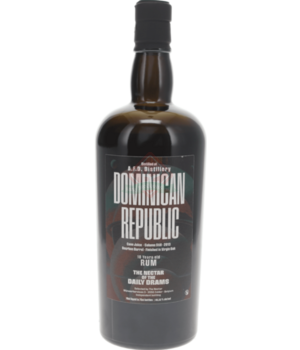
Dominican Republic 2013 10y (The Nectar - Daily Dram)
In stock
Dominican Republic 2013 10y is a Daily Dram bottling from The Nectar, drawn from a 10-year-old sugar cane juice rum from the Dominican Republic. It was distilled in 2013 at the AFD distillery on a traditional column still and bottled in 2023.
The appeal here lies in its direct, cask-driven personality. Maturation in bourbon casks, followed by a Virgin Oak finish, gives the wood and spice a clear role, while the tasting notes still point to a fruit-led side with exotic and baked tones. Bottled at cask strength, 65.33% ABV, it keeps its natural intensity intact.
At Drankenshop Broekmans, we value releases like this because they show a very specific snapshot of rum maturation: one single cask, 341 bottles, and now down to the last bottles. It is a focused, (…)Your web-only benefit:
€ 13,96 / 20%Hampden 2002 Hjf 50cl (Old Brothers)
95360° view available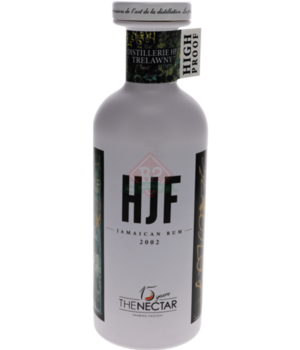
Hampden 2002 Hjf 50cl (Old Brothers)
In stock
Hampden 2002 Hjf by Old Brothers is a Jamaican molasses rum with a distinctly focused cask-driven identity. Distilled in 2002 on a pot still and bottled in September 2021, it spent 18 years maturing before release, giving it a more serious sense of development than a younger, simpler rum.
Its main appeal lies in the way it has been bottled. This is a single cask rum from one bourbon barrel, released at cask strength at 53.6%. Only 428 bottles were produced, and with the final bottles now involved, it has a naturally limited character. At Drankenshop Broekmans, we see this as the kind of rum that speaks to customers who enjoy a very specific snapshot of Jamaican rum maturation.
The flavour profile is led by fruit, with clear support from wood and spice. Light (…)Your web-only benefit:
€ 47,04 / 20%Last Ward 2007 16y (Velier) Incl. Box
COLLECTOR23360° view available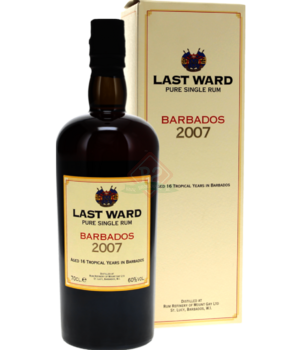
Last Ward 2007 16y (Velier) Incl. Box
In stock
Last Ward 2007 16y is a Barbados rum with a distinctly serious presence. Distilled in 2007, aged for sixteen years and bottled at cask strength, it comes across as a rum that keeps close to the strength and concentration of the cask, rather than being softened into an easy-going style.
The pot still distillation and maturation in a bourbon barrel give the release its firm structure, with wood playing a clear role in the overall profile. This is molasses rum with maturity and weight at the centre of the story.
At Drankenshop Broekmans, Last Ward 2007 16y sits naturally among the more distinctive rum bottlings: limited in availability, marked as a collector's item, and now down to the last bottles. It is the kind of release that speaks most clearly to drinkers (…)Your web-only benefit:
€ 59,80 / 20%Mother Messcia Blended (Velier) Incl. Box
10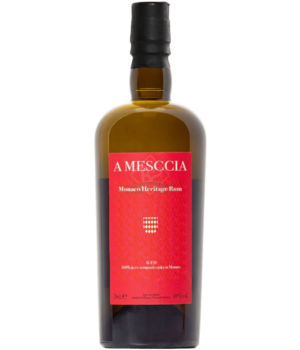
Mother Messcia Blended (Velier) Incl. Box
In stock
Mother Messcia Blended is a rum with an unusual point of view. Built around sugar cane juice, it looks back to a Monegasque drinking tradition in which Caribbean rum met European fortified drinks such as vermouth and marsala.
The modern version does not add vermouth directly to the rum. Instead, the influence comes through maturation in casks that previously held Italian vermouth, giving the blend its herbal, spicy and gently bitter edge. It is described as a blend of distillates from several countries, while the wider Mother Mesccia project remains closely linked to cane juice and craft distillation.
At 49% alcohol, it has clear presence without relying on an age statement as its main message. At Drankenshop Broekmans, we see this as a rum for drinkers who (…)Your web-only benefit:
€ 25,50 / 20%Papalin 7y (Velier)
76360° view available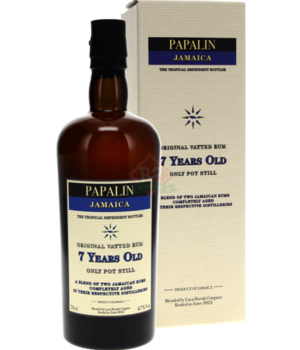
Papalin 7y (Velier)
In stock
Papalin 7y is a Jamaican rum from Velier with a clear idea behind it. It refers back to the early tropical blends of the late nineteenth century, when the exact make-up of a blend was often kept secret, but Luca Gargano takes a more open approach here. The rum is made with components from two Jamaican distilleries, Hampden and Worthy Park, even though the precise percentages are not disclosed.
The rums were aged for at least seven years at the distillery and matured in bourbon barrels. As a molasses-based pot still rum, Papalin 7y gives a vivid impression of what Jamaican rum can be: expressive, spicy and layered, yet still approachable enough to invite discovery. At Drankenshop Broekmans, this is the kind of bottle we like to present when someone wants more than a simple (…)Your web-only benefit:
€ 14,78 / 20%Prichard's Private Stock
LAST PIECES11360° view available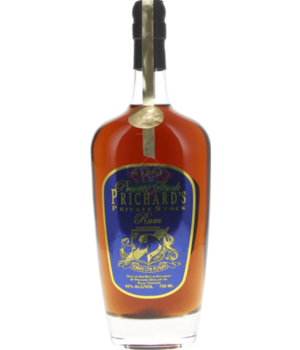
Prichard's Private Stock
In stock
Prichard's Private Stock is an American rum with a straightforward but intriguing identity. The name points to something set apart within the Prichards range, without relying on a long list of technical details.
At 45% alcohol, it has a firmer presence than many standard rum bottlings. The supplied information does not give specific flavour notes, so it is best presented for what is clearly known: a United States rum with a stronger, more purposeful bottling strength.
At Drankenshop Broekmans, bottles like this are especially interesting when customers are looking beyond the most familiar rum origins. With only the last bottles remaining, this is also a rum that is quietly disappearing from the shelf.
No specific tasting notes are provided for (…)Your web-only benefit:
€ 18,78 / 15%Providence 3y 2022 Incl. Box
8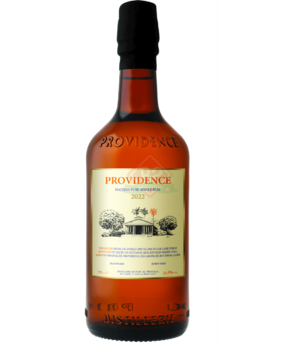
Providence 3y 2022 Incl. Box
In stock
Providence 3y 2022 is a Haitian rum with a very direct connection to sugar cane. It is produced at Distillerie de Port-au-Prince from sugar cane syrup made with the historic Cristalline variety, grown on Michel Sajous' fields around 150 kilometres north of the distillery.
The production method gives this release much of its personality. The cane juice is cooked down at high temperature into syrup using a traditional 19th-century approach. Fermentation follows with selected yeasts and dunder, before distillation in an artisanal Müller bain-marie pot still, bringing an old Haitian distilling technique back into focus.
The rum matured for three years in Haiti's tropical climate as a blend of 29 casks, drawn from former Caroni and Bourbon barrels. It is (…)Your web-only benefit:
€ 21 / 20%
Frequently asked questions
Answers to most frequently asked questions about rum
What is rum?
Rum is a liquor made from sugar cane. It can be made via molasses (the syrupy by-product of sugar production) or via fresh sugarcane juice. After fermentation and distillation, you have the base, which is then often aged in wooden barrels. As simple as it sounds, the result is versatile: from light and fresh to deep and complex.
Europe has imposed rules and distinguishes between "rum" and "spirit drink". A drink can only be called rum if it:
-
is made from sugar cane products
-
is fermented and distilled
-
has a maximum alcohol content of 96% at distillation
-
contains at least 37.5% alcohol at bottling
-
contains no flavourings or large quantities of sugar
If producers do use extra flavourings, lots of sugar or other additives, it legally becomes "spirit drink" or "spirituose" instead of rum.
What is the difference between rum and spirit drink?
In Europe, this difference has come about mainly because of stricter and clearer rules around protected drink categories. "Rum" is not a non-committal marketing term in the EU, but a legally defined category. If a product does not exactly meet that definition, it can no longer officially be called rum and must be sold as a "spirit drink", for example.
The main rules are in the European geographical indications and spirit legislation, now under Regulation (EU) 2019/787.
The heart of the problem usually lies in one of these points:
- Added flavourings
Real rum may not simply be flavoured with, say, vanilla, chocolate or other distinct flavourings if it is still to be called "rum". Once the additives fall outside the permissible limits, it legally becomes a "spirit drink". - Added sugar or sweeteners
There are limits on how much sugar or sweetening can be added without losing the "rum" category. Some producers used to add relatively large amounts of sugar to make the drink softer or fuller. Stricter controls required those products to be relabelled. - Alcohol from other raw materials
Rum must come from sugar cane products such as molasses or sugar cane juice. If neutral alcohol of other origin is added (e.g. grain alcohol), the product falls outside the definition. - Production method or strength
Minimum alcohol percentages and production methods are also set by law.
Especially in recent years, enforcement has become stricter. As a result, you see that some brands that were sold as rum for years suddenly got "spirit drink", "spiced spirit drink" or "rum-based spirit drink" on the label.
A well-known example are certain "spiced rums". Many consumers still call them rum, but legally some of them cannot be called rum in Europe because they are too strongly flavoured or sweetened.
That does not necessarily mean the quality is worse - just that the product no longer fits within the strict EU definition of rum. Some enthusiasts actually find these stricter rules positive, as it makes it clearer what is pure rum and what is a flavoured variety.
Which rum is tasty?
The question "which rum is good?" seems simple, but the answer depends entirely on personal taste. Instead of immediately reaching for specific bottles, it makes more sense to first consider what you would like to drink. Do you like soft, sweet flavours like vanilla, caramel and honey, or do you rather prefer fresh and light notes like citrus and coconut? Maybe you just go for something more powerful with wood, spices and cocoa, or even a more pronounced, funky style with ripe fruit and an almost wild intensity. After all, rum is one of the most diverse spirits, and "tasty" means something different to everyone.
In addition, the moment also plays a role. A light, fresh rum comes into its own in cocktails and on hot days, while a richer, fuller rum is better suited to drinking on its own or as a digestif. There are also styles that sit somewhere in between: accessible enough for mixed drinks, but with enough character to appreciate solo as well.
By approaching the question in this way, you will not only discover what you yourself find a tasty rum, but you will also eventually begin to better understand why that rum suits you.
What types of rum are there?
The best-known subdivisions are white, gold and dark. White rum is bright, fresh and perfect for cocktails like mojito or daiquiri. Golden rum has a bit more body thanks to a short maturation. Dark rum matures longer and develops rich, spicy notes that you can safely drink pure. And then there is spiced rum, where spices like vanilla or cinnamon give it an extra sweet twist.
Broadly speaking, you can distinguish the following styles:
- White rum: clear and light in flavour
- Gold rum: golden, richer flavour than white rum with notes of caramel and vanilla
- Dark rum: dark, deep in colour, with rich and complex flavours such as molasses, chocolate and spices
- Spiced rum: flavoured with spices such as cinnamon, cloves and vanilla
- Overproof rum: high alcohol content, often above 50%
- Flavored rum: Added flavours such as coconut, pineapple or mango
What is English-style rum?
This rum is known for its full, rich and complex flavours. The English-style rum often has notes of molasses, caramel, fruit and spices.
This style rum is made from molasses and is often distilled in pot stills, resulting in a robust flavour profile. According to American Chemical Society, rums from pot stills contain more esters and higher alcohols, which contribute to the complex flavour.
Countries where the specific style of rum is traditionally produced include Jamaica, Barbados, Guyana and Trinidad. Well-known brands of English-style rums include Appleton Estate, Mount Gay and El Dorado.
What is Spanish-style rum?
Spanish-style rum ("Ron") is lighter and sweeter, with a smooth and refined taste. These rums often have notes of vanilla, caramel and tropical fruit.
It is made from molasses and often distilled in column stills, resulting in a lighter, purer rum. Column stills allow for more efficient distillation, giving the rum a more consistent character. Furthermore, these rums are often aged in a so-called Solera system.
Countries where the specific style of rum is traditionally produced: Cuba, Puerto Rico, Dominican Republic and Venezuela, brands like Bacardi, Ron Zacapa and Havana Club probably sound familiar.
What is Rhum Agricole (French style)?
French-style rum has an earthy, grassy and sometimes floral flavour. It is often complex and can range from light and fresh to rich and spicy. It is a real "love it or hate it" type of rum: some swear by it and others revile it.
This rum is made from freshly squeezed sugarcane juice and usually distilled in pot stills. Production often follows strict standards, such as the AOC (Appellation d'Origine Contrôlée) in Martinique, ensuring consistent and high-quality production.
Countries where this particular style of rum is traditionally produced: Martinique, Guadeloupe and Haiti. Well-known brands include Rhum Clément, Rhum JM and Barbancourt.
What do VS, VSOP and XO mean?
Unlike with cognac, these designations are not regulated within rum. These designations in rums therefore often say more about quality or style, but do not necessarily refer to an explicit (minimum) age of the spirit in the bottle.
How strong is rum?
Most rums are around 37.5% to 40% alcohol. But beware: there are also so-called overproof rums that easily exceed 60%. These will immediately spice up your cocktail - or provide a solid punch when drunk straight.
What is the difference between rum, cachaça and rhum agricole?
It's all in the base. Rum is usually made from molasses, while cachaça (from Brazil) and rhum agricole (from the French Caribbean) always come from fresh sugarcane juice. The result? Agricole and cachaça often have a somewhat grassy, spicy touch, while rum tends to be rounder and softer.
What rum do you use for cocktails?
For fresh mixed drinks such as a mojito or daiquiri, it is best to choose a light white rum. Tiki cocktails or a Dark 'n Stormy, on the other hand, get more depth from a dark or spicy rum. In short: your choice of rum makes all the difference in your glass.
Which rums can you drink pure?
Aged rums from Barbados, Jamaica or the Dominican Republic, for example, are often smooth, complex and ideal to enjoy pure. They can easily compete with a good whisky or cognac in terms of depth.
How does rum taste compared to whisky or brandy?
Rum tends to be sweeter and rounder thanks to the sugar cane. Whisky can be malty, spicy or smoky, while brandy is more likely to have fruity, wine-like notes. A matter of taste, but rum often has a more tropical character.
What is the maturation process for rum?
Rum usually matures in ex-bourbon barrels. Due to the warm climate in the Caribbean, this is faster than for whisky in Scotland. As a result, an 8-year-old rum can already taste surprisingly intense.
What is the difference between pot still rum and column still rum?
- Pot still-rum is rich, powerful and complex because it is distilled in smaller batches.
- Column still-rum is lighter and cleaner, ideal for blending.
Many brands combine both styles to get a balanced profile.
What does "solera" or "solera system rum" mean on a rum bottle?
Solera System rum refers to a maturation method where young and old rums flow together. In a Solera System, barrels of different ages are stacked on top of each other, with the oldest rum sitting at the bottom. Bottles are filled from these lower barrels, and then the barrel is replenished with rum from the row above, and so on. The result is a blend of quite a few different ages that results in a flavourful, complex final product that is still consistent in quality, style and recognisability. Because the oldest barrels at the bottom are always diluted with younger rums, the final product in a properly functioning Solera system, after decades of production, basically still contains traces of the very first, oldest rum the process ever started with.
The year number on the bottle then often refers to the oldest rum in the blend, not the average age.
Is rum always made from sugar cane?
Yes, that is a must. Whether it is molasses or sugarcane juice, rum must always come from sugarcane. Other sugars (beet, palm, etc.) are officially outside the definition.
The base for a rum can usually be reduced to one of the following groups:
- Molasses (molasses, syrup): Molasses is fermented and distilled, after which the rum can be aged in barrels. Molasses is a by-product of sugar production and contains many sugars that are converted into alcohol and complex flavourings during fermentation.
- Suger Cane Juice : This rum is known for its natural, unadulterated taste of sugar cane. In this rum, the juice is directly fermented and then distilled.
- Spiced rum: Base rum to which spices and sometimes additional flavours are added during or after the distillation process.
- Sugar Cane Syrup: Sugar cane syrup is fermented and distilled. The use of sugar cane syrup gives the rum a more concentrated and pure sugar cane flavour.
- Sugar Cane Honey: This substance, also known as "miel de caña" in Spanish, is a thick, syrupy liquid obtained by boiling the juice of sugar cane until it thickens, but before it crystallises into sugar. This method is less common and results in a rum with a unique, rich flavour.
- Arranged rum: Base rum is mixed with various flavourings and left to macerate for some time. This gives the rum a distinct and often sweet profile.
What is molasses?
Molasses is a syrupy by-product of sugar refining. It is created when sugar cane or sugar beet is processed to produce sugar.
What is the difference between white and dark rum?
The difference between white and dark rums is mainly in the production methods and ageing times, resulting in different flavours, colours and uses. White rum is clear and translucent, has a mild and light flavour with subtle notes, and is often aged for a shorter time than dark rum, usually in stainless steel tanks or neutral barrels to preserve its colour. This rum type is popular in cocktails such as mojitos and daiquiris, where a subtle rum flavour is desired without affecting the colour of the drink.
Dark rum, on the other hand, is dark brown to almost black in colour, with a rich and full-bodied flavour that contains complex notes of caramel, vanilla and sometimes spices. This rum is aged longer in oak barrels, which contributes to its dark colour and rich flavour. Sometimes caramel is also added for extra colour and flavour. Dark rum is often used in cocktails where a stronger rum flavour is desired, such as in a rum old fashioned, or drunk pure as a sipping rum.
What is the history of rum?
Rum was first produced in the Caribbean in the 17th century, with the first documented production in Barbados around 1650. Production quickly spread to North America, especially to the colonies in New England, where rum became an important trade product.
Rum played a crucial role in the transatlantic slave trade, also known as the Triangular Trade. Slaves from Africa were brought to the Caribbean to work on sugar cane plantations, while sugar and rum were shipped to Europe and North America. Locals and workers often had access to the rum produced locally, making it a popular drink among the lower social classes. This gave rum a negative connotation and it was seen as the drink for the poor. Today, this image has completely changed is rum is a versatile and popular drink.
Why is rum so strongly associated with pirates?
In the 17th and 18th centuries, rum was the means of payment and exchange in the Caribbean. Sailors often received a ration of rum as part of their wages. No wonder pirates and rum have been inextricably linked ever since.
Where can I buy rum?
Basic rums like a brown Havana Club can be found in any shop or supermarket these days, but there is so much more! With over 1,000 rums in our range, Drankenshop Broekmans is the right place for all your rum needs, no matter what colour, flavour, profile, brand, country or price range you are looking for.