


Port
Please note: stock and availability in our store may vary! More info
Graham's 20y Tawny
37360° view available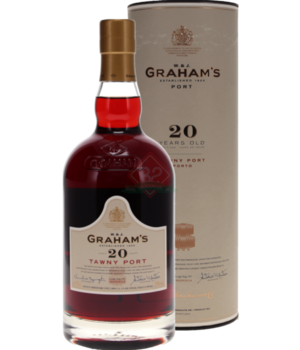

Graham's 20y Tawny
In stock
Graham's 20y Tawny is a fine introduction to the depth and elegance of aged tawny Port. It is not a vintage Port from a single harvest, but a carefully composed blend of younger and older wines from Portugal's Douro Valley, aged on average for 20 years in seasoned oak casks. That long wood ageing gives it its amber, golden-tawny colour and its mature style.
Graham's, founded in 1820, builds this Port around selection and blending. The wines come from the Douro Valley, with the producer drawing on important quintas such as Quinta dos Malvedos and Quinta do Tua. In the glass, the emphasis is on the character created by time in cask: fruit moves towards dried and concentrated tones, joined by nutty notes, caramel depth and a soft sweetness.
At Drankenshop (…)Graham's Vintage 2024 37,5cl
LAST PIECES57

Graham's Vintage 2024 37,5cl
In stock
Graham's Vintage 2024 37.5cl is a red Vintage Port from Portugal with a story that starts with the declaration itself. It marks Graham's first declared vintage after seven years, a meaningful decision for a house with more than two centuries of heritage behind it.
The fruit comes from the Douro Valley, including Graham's respected vineyards Quinta dos Malvedos, Quinta do Tua and Quinta da Vila Velha. The growing conditions allowed the grapes to ripen slowly and evenly, giving this port the combination of power, finesse and elegance described as central to the house style.
At Drankenshop Broekmans, we see this 37.5cl format as a thoughtful way to enjoy a serious Vintage Port without opening a full bottle. It keeps the sense of occasion, while the wine itself (…)Capella Do Vesuvio Vintage 2024 Incl. Box
LAST PIECES270
Capella Do Vesuvio Vintage 2024 Incl. Box
Very last one in stock!
Capella Do Vesuvio Vintage 2024 is a red Vintage Port from Portugal and represents one of the most selective expressions of Quinta do Vesuvio. It is produced only in exceptional years, from carefully chosen parcels within the estate, including Vinha da Capela and Vale da Teja.
The strength of this wine lies in its very precise origin. Old vines, specific microterroirs and extremely limited production all contribute to a Port built on depth, structure and refinement rather than simple power.
Fermentation in granite lagares, supported by carefully managed co-fermentations, gives the wine its intense and well-defined structure. At Drankenshop Broekmans, we see this Capella Do Vesuvio as a Vintage Port for those who appreciate concentration, precision and serious (…)Dow's Port 20y Incl. Box
63360° view available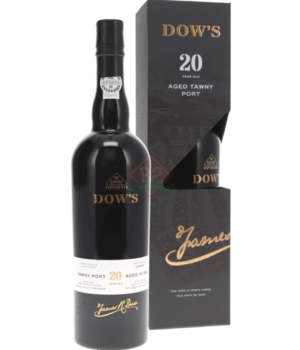
Dow's Port 20y Incl. Box
In stock
Dow's Port 20y is a good reminder that old tawny port is shaped as much by patience as by craftsmanship. During long cask ageing, the wine slowly changes through contact with air and wood, while evaporation concentrates what remains. For a tawny of this age, around 35% of the original volume is lost before bottling, leaving a wine with greater density and maturity.
Dow's aims for a style where wood influence and the original fine fruit remain in balance. Part of the aged tawny stock is traditionally matured in large, well-seasoned oak vats of 5,000 to 10,000 litres. That helps preserve an attractive fruit character and gives these ports a deeper colour than many others in the category.
At Drankenshop Broekmans, this is the kind of port we like to introduce to (…)Dow's Port 30y Incl. Box
120360° view available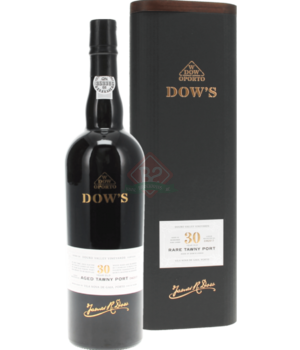
Dow's Port 30y Incl. Box
In stock
Dow's Port 30y is a mature tawny port shaped by a long, gradual conversation between wine, air and wood. Thirty years in cask brings concentration as well as refinement; with a tawny of this age, around 45% of the original volume is lost before the wine is finally bottled.
That ageing process needs close attention. Casks develop differently over time, especially when their size and age vary, so the master blender, cellar master and coopers all have a part to play in guiding the wines towards balance. The aim is not simply to make an old port, but to preserve the fine fruit while allowing the wood-aged character to deepen.
Dow's traditionally matures part of its Aged Tawnies in large, well-seasoned oak balseiros of 5,000 to 10,000 litres. This helps retain an (…)Dow's Port 40y Incl. Box
218360° view available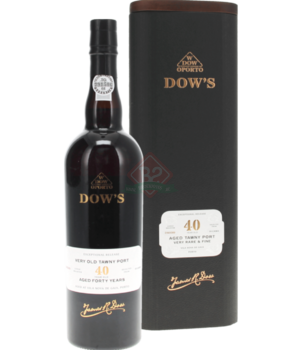
Dow's Port 40y Incl. Box
In stock
Dow's Port 40y is an aged tawny shaped by long, patient maturation. During its time in cask, the wine slowly changes through contact with air and wood; in a forty-year-old tawny, around half of the original volume is lost before bottling. That natural evaporation gives the final wine its concentration and sense of depth.
The style depends on close cellar work, because ageing casks and vessels of different sizes develop in different ways over time. At Dow's, the master blender, cellar master and coopers all play their part in guiding the wines towards balance. Part of the aged tawny is traditionally matured in large, well-seasoned oak balseiros of 5,000 to 10,000 litres, helping retain the fine fruit character while allowing the wood influence to develop gently.
Dow's Vintage 2014 Quinta Do Bomfin Incl. Box
53
Dow's Vintage 2014 Quinta Do Bomfin Incl. Box
In stock
Dow's Vintage 2014 Quinta do Bomfim is a red Vintage Port drawn entirely from the historic Quinta do Bomfim. The supplied information highlights its south-facing slopes and old plantings, details that help frame the wine's sense of depth and concentration.
Its character sits firmly in the typically drier Dow's style, with the substance and ageing potential expected from a Vintage Port of this nature. Rather than relying only on sweetness or volume, it shows a more structured and controlled personality.
At Drankenshop Broekmans, this is the kind of Portuguese Vintage Port we like to present to customers looking for provenance, firmness and a classically serious expression.
The aroma is intense, with dark fruit, cedarwood and subtle balsamic (…)Graham's 10y Tawny + Tube Tube Incl.
22360° view available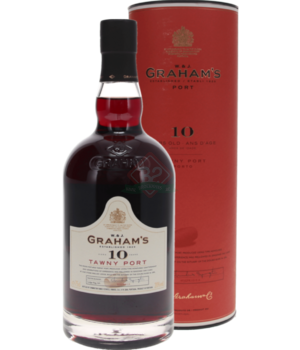
Graham's 10y Tawny + Tube Tube Incl.
In stock
Graham's 10y Tawny is a Portuguese port with a mature, rounded style. The 10-year indication points to a tawny expression built around dried fruit, roasted nuts, caramel and gentle spice rather than a young, primary fruit character.
At Drankenshop Broekmans, this is the kind of port we like to present when someone is looking for depth without losing freshness. Its 20% alcohol gives it the generous presence associated with port, while the tasting notes show sweetness held in check by refreshing acidity.
The tube gives Graham's 10y Tawny a polished presentation, making it a thoughtful bottle to share or offer as a gift. It is a port with warmth, layered aromas and a long, softly spiced finish.
The aroma brings together orange peel and cinnamon, (…)Graham's 30y Tawny Tube Incl.
91360° view available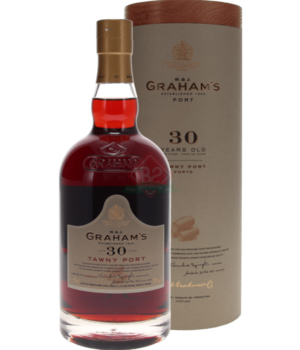
Graham's 30y Tawny Tube Incl.
In stock
Graham's 30y Tawny is an aged tawny port from Portugal, made as a non-vintage blend. The 30 Year Old statement refers to the average age and mature style of the blend, not to a single harvest year.
Its character is shaped by long ageing in seasoned oak casks. Graham's builds this style through selection, patient wood maturation and blending, aiming to keep a sense of fruit structure alongside the softness and complexity that come with extended time in cask. The house also highlights its own cooperage team, whose work is connected to the upkeep of the casks used for aged tawny ports.
At Drankenshop Broekmans, this is the kind of bottle we place among the classic mature tawnies: polished, developed and clearly marked by long ageing. The fruit for Graham's ports (…)Graham's 40y Tawny New Incl. Box
104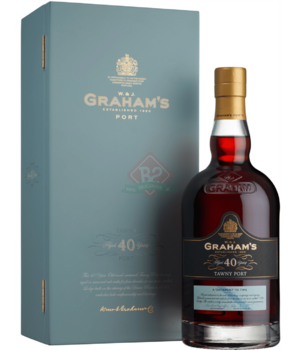
Graham's 40y Tawny New Incl. Box
In stock
Graham's 40 Year Old Tawny Port is all about time. It has spent an average of four decades maturing in toasted oak casks and is blended from wines that were set aside generations ago. That gives it a sense of maturity that is built slowly, layer by layer, rather than through youthful freshness.
At Drankenshop Broekmans, this is the kind of bottle we would introduce to someone looking for the deeply aged side of port. Even the colour tells part of the story: golden, with a slight green tinge at the rim, a sign of considerable age.
What makes this Graham's so compelling is its quiet depth. Delicate fruit, raisins, roasted toffee and chocolate unfold into a remarkably long finish, showing how much patience and careful selection matter in a 40 year old tawny.
Graham's 50y Tawny
350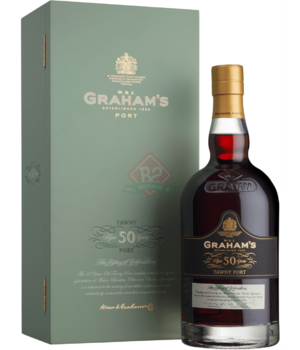
Graham's 50y Tawny
Last one in stock!
Graham's 50y Tawny is a port shaped above all by time. Tawny port develops its pale brown to orange-brown colour through long ageing in oak casks, but this Graham's is not simply about age. It brings together cask knowledge, maturation and blending in a wine that has taken more than half a century to reach the bottle.
A key part of the blend comes from a 1969 wine known as the CAS Reserve, originally set aside by Peter Symington to mark the birth of his son Charles Andrew Symington. The other component is a blend of wines from 1970 to 1973, assembled in 1982. Over the long ageing period, more than half of the original wines evaporated, leaving behind a much more concentrated wine.
At Drankenshop Broekmans, this is the kind of bottle we would introduce as much (…)Graham's Single Harvest (Colheita) 1974 Incl. Box
360° view available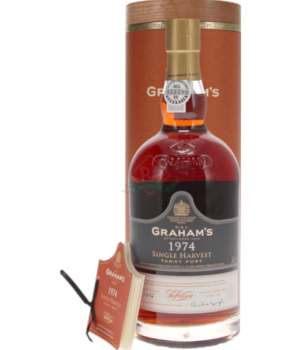
Graham's Single Harvest (Colheita) 1974 Incl. Box
In stock
Graham's Single Harvest 1974 is a Colheita port from a single Portuguese harvest. It is a tawny style that spent an exceptionally long time maturing in wood before Graham's selected the casks for bottling.
The year gives this wine much of its identity. 1974 was the year of Portugal's Carnation Revolution, and Graham's did not release a Vintage Port from that harvest. Instead, wines from the vintage were kept back for extended cask ageing. Over nearly half a century, that path shaped a port centred on dried fruit, caramel, spice and tea-like depth.
The wine is based almost entirely on field blends from the Malvedos vineyard in the Douro, keeping it closely tied to traditional port production rather than to a neatly defined varietal recipe. At Drankenshop (…)Graham's Six Grapes Reserve
30360° view available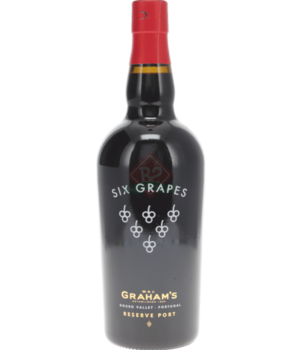
Graham's Six Grapes Reserve
In stock
Graham's Six Grapes Reserve is a Ruby Reserve Port that gives a very clear introduction to what makes this style so appealing. Ruby Port is about colour, fruit and immediacy: a ruby-red glass, lively fruit expression and a maturation approach designed to keep that fruit character intact.
For Six Grapes, Graham's takes that idea even further. The wines used for this Reserve generally spend less time in large oak vats than many other Ruby Ports, keeping the fruit firmly in focus while still giving the wine structure and depth.
The six-grape symbol on the bottle goes back to the 19th century. After each harvest, Graham's winemakers marked each cask according to the quality of the wine inside. Six grapes indicated wines of exceptional quality, with complexity, (…)Graham's The Tawny Reserve
49360° view available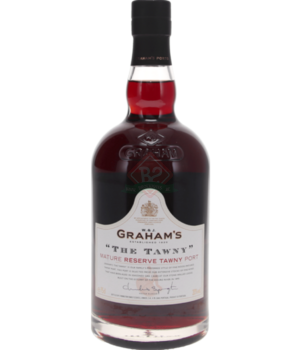
Graham's The Tawny Reserve
In stock
Graham's The Tawny Reserve is a Portuguese red Port with a generous, fruit-led personality. Its tasting profile centres on ripe red and dark fruit, especially black cherry, blackberry and plum, with deeper notes adding warmth and extra dimension.
At Drankenshop Broekmans, this is the kind of Port we would introduce to someone looking for a velvety, softly sweet glass with more than just fruitiness. Dark chocolate, coffee and tobacco bring a mature edge, while the long finish keeps the black fruit and sweet spice gently present.
At 20% alcohol, it has the presence expected from Port, yet the impression remains smooth, rounded and elegant.
The aroma opens with ripe red and dark fruit, led by black cherry, blackberry and plum. Gentle floral notes (…)Quinta Do Vesuvio 1995 Library Incl. Box
201360° view available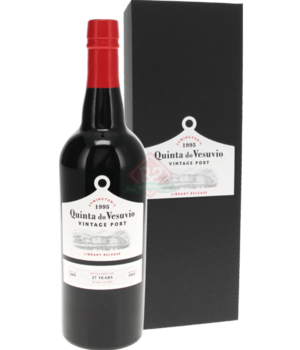
Quinta Do Vesuvio 1995 Library Incl. Box
In stock
Quinta do Vesúvio 1995 Library is a red Vintage Port with a story rooted in the early Symington years at the estate. The family acquired Quinta do Vesúvio in 1989 and set about restoring its legendary reputation, drawing on five generations of Douro winegrowing experience and investing significantly in the vineyards.
The 1995 vintage was only the seventh harvest made by the Symington family at Vesúvio. Peter Symington, head winemaker at the time, is especially proud of this wine and regards it as one of the finest from those formative years on the family estate. The grapes came mainly from traditional Douro varieties, blended at Quinta do Vesúvio itself.
Its Library release adds another layer to the story: after 27 years of bottle (…)Warre's Lbv 2011 Incl. Box
39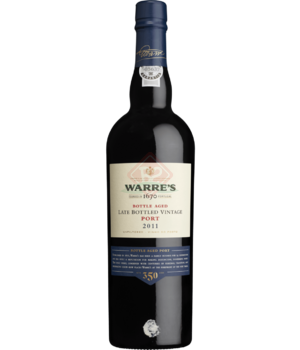
Warre's Lbv 2011 Incl. Box
In stock
Warre's LBV 2011 is a red Late Bottled Vintage port from carefully selected plots in the Douro Valley. It reflects the long-established craft of Warre's, a house founded in 1670, with a style built around structure, depth and refinement rather than sheer weight.
After cask ageing, this LBV spent a long period resting in bottle and was bottled without filtration. That gives it a more natural presence in the glass while keeping the polished balance associated with the house style.
At Drankenshop Broekmans, this sits nicely among the ports for drinkers looking for a mature, vintage-dated LBV with ripe fruit, structure and a composed, classic feel.
The aroma shows deep impressions of ripe fruit, with refined spice and subtle woody notes in support. (…)Warre's Vintage 2020
136360° view available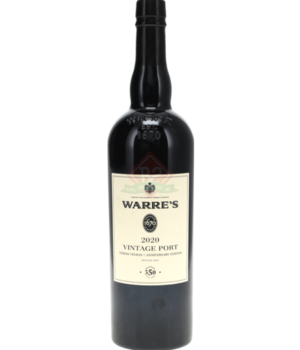
Warre's Vintage 2020
In stock
Warre's Vintage 2020 is tied closely to an important moment in the history of Warre's. Released for the house's 350th anniversary, this red Vintage Port comes from very old mixed plantings on two Warre's estates in the Cima Corgo: Quinta da Cavadinha and Quinta do Retiro.
The fruit source is what gives this bottling its particular weight. The grapes were drawn from 80 to 100 year old, deep-rooted vines in a hot and dry Douro vintage with exceptionally low yields. Warre's notes that roughly three vines were needed to produce a single bottle. Only 2,400 bottles of 75 cl were released, so the limited nature of the wine is directly connected to the vineyard conditions rather than to presentation alone.
After around 18 months in old oak casks, the wine was bottled (…)Warre's Vintage 2024
89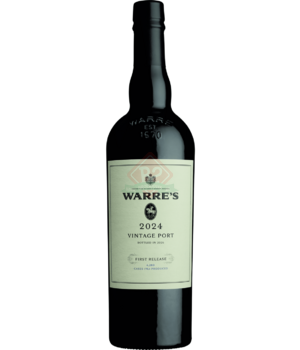
Warre's Vintage 2024
In stock
Warre's Vintage 2024 is a red Vintage Port that stays close to the historic style of Warre's, described as the oldest British Port house. Sourced from the Cavadinha, Retiro and Telhada quintas, it highlights the floral elegance and refinement that have long been associated with the house.
The high-altitude vineyards and the significant proportion of old vines support a slow, complete ripening of the grapes. For the 2024 harvest, described as benefiting from ideal climatic conditions, that means precision, charm and a pure expression of fruit, with richness, freshness and complexity held in careful balance.
At Drankenshop Broekmans, young Vintage Ports like this have a particular appeal: they already show the signature of the house and vintage, while also (…)
Frequently asked questions
Answers to the most frequently asked questions about postage
What is postage?
Port wine (also called port or porto) originates from Portugal, and is named after the city of Porto - a major port city by the sea, at the mouth of the Douro River. It is a fortified wine produced in the Douro Valley in northern Portugal. The exact origins of port are not fully documented, but it is widely believed that the English played an important role in its development.
During the 17th century, the English were already importing wine from Portugal. To better preserve the wine while travelling by sea, traders in the 17th century began adding a little brandy to the wine, increasing its alcohol concentration and shelf life. This process of fortification made the wine more resistant to spoilage during the long journey across the Atlantic to England.
Today, port is appreciated all over the world and there are different styles, ranging from dry to sweet and from young to long-aged port wines. And this blog wouldn't be 'Porto for dummies' if we didn't delve deeper into this, right? Lets go!
How is porto made?
The magic of port begins with the harvesting of grapes in the beautiful Douro Valley, usually from September to October. After the grapes are carefully pressed, the fermentation process begins where natural yeast cells convert the sugars in the grape juice into alcohol. But here comes the interesting part - halfway through this process, a powerful brandy is added, stopping the fermentation and giving the wine its distinctive sweetness and higher alcohol content. The port is then aged in large wooden barrels, where it develops its complex flavour before being bottled and ready to enjoy.
How do you drink port?
Port wine is not just a drink to enjoy as an aperitif before dinner or as a digestive after a delicious meal. It is also a versatile ingredient that can add a sophisticated touch to culinary creations. Port's rich flavours and complex aromas make it a perfect addition to a variety of dishes: from enriching sauces to refining desserts - the possibilities are endless.
Do you drink porto chilled or at room temperature?
At what temperature you optimally enjoy your porto depends on the type of port. As a general guideline, you can divide the differences in serving temperature as follows:
- Ruby port, Red port, Late Bottled Vintage (LBV) port, Vintage port is best enjoyed at a lightly chilled cellar temperature of around 14 to 18 degrees. If you drink these types too warm, they become unwieldy, heavy and alcoholic. But if you serve them too cold, you lose a lot of the aromas and nuances that make this type of port unique. A slight freshness balances these fruity portos perfectly, so just keep them in a cooler or unheated room.
- Tawny port may safely be served slightly cooler than ruby port. Indeed, a slightly lower temperature between 12 and 16 degrees brings out the nutty, caramel flavours of a tawny, making them perfect for desserts.
- White port is the coolest frog of the bunch. White port is light and summery, so it is best served chilled around 10 degrees: out of the fridge, on the rocks or in a simple cocktail with a bitter such as a tonic to balance things out.
How long can you store port?
The shelf life of an open bottle of port depends on the type of port and how well it is stored. It is important to always seal the opened bottle of port well with the original cork or an airtight stopper and keep it in the fridge to minimise oxidation. It is also recommended to store the bottle upright to prevent the cork from coming into contact with the port, which can lead to changes in flavour and aroma.
What is the difference between port and wine?
Port wine is also basically wine, but with a twist! While ordinary wine is made by letting nature take its course during the fermentation process, port wine is enhanced by adding brandy. This not only gives it a higher alcohol content, but also that sweet, luscious flavour we love so much.
What is ruby port?
Ruby port, also called red port, is a young and fruity style of port. It is characterised by its vibrant red colour and intense fruity flavours of cherries, raspberries and sometimes berries. Red port is usually aged briefly in barrels and is often bottled and sold as a young wine, without further maturation in bottle.
Graham's Six Grapes is a specific variety of ruby port produced by Graham's. It is a blend of different vintages and grape varieties, mainly Touriga Nacional, Touriga Franca and Tinta Roriz. Six Grapes is known for its quality and is considered one of Graham's most accessible and affordable port wines. It is therefore highly recommended, especially for lovers of fruity, young port wines.
An opened bottle of Ruby Port can generally be kept in the fridge for about 1 to 2 weeks before the flavour starts to wane.
What can you combine with red port?
Ruby port goes hand in hand with a range of flavours due to its versatile character:
- Cheese boards: Ruby port is an excellent choice to pair with a selection of cheeses, especially spicy and blue cheeses. The sweetness of the port is a perfect contrast to the salty and tangy flavours of the cheeses, resulting in heaven on earth!
- Chocolate desserts: The fruity and sweet flavours also go perfectly with chocolate desserts such as chocolate cake, brownies or truffles, for example.
- Red meat: Ruby port is a great companion for red meat dishes such as grilled beef, lamb or stews. The port's sweetness and fruitiness complement the savoury flavours of the meat, creating a perfectly balanced and flavourful combination.
- Fruity desserts: Besides chocolate desserts, ruby port also goes well with fruity desserts such as berry pie or apple crumble.
- Nuts and dried fruit: A simple but oh-so-delicious combination is to serve ruby port with an assortment of nuts and dried fruit.
What is tawny port?
Tawny port is a style of port wine characterised by its amber hue and complex flavour profile. Tawny port is obtained by long ageing (sometimes even decades) in wooden barrels. It can be divided into several categories based on age, such as Tawny port, Tawny port with an age indication (such as 10, 20, 30 or 40 years) and Colheita port, which is produced from grapes from a single vintage and aged for a long period, usually at least seven years, but sometimes even decades.
Tawny Port, especially if it has been aged for some time, can last slightly longer than Ruby Port. An opened bottle of Tawny Port can usually be stored in the fridge for about two to four weeks.
What can you pair with a tawny port?
Tawny port is a versatile wine that goes well with different types of food.
- Hard cheeses: Hard cheeses such as Cheddar, Gouda and Manchego are an excellent choice because of their salty and nutty flavours, which contrast nicely with the sweetness of the Tawny Port. The saltiness of the cheese can also enhance the flavour of the wine and bring out its fruity notes.
- Dark chocolate: Chocolate is another popular choice to pair with Tawny Port, especially dark chocolate with a high cocoa content.
- Dishes with a spicy/sweet flavour: In addition, dishes with a slightly spicy or sweet flavour can go well with Tawny Port, such as roasted meat with a fruity sauce or caramelised onions.
- Cigars: And finally, for cigar lovers, a Tawny Port can blend perfectly with mild to medium-bodied cigars.
What is the difference between a ruby port and a tawny port?
You can recognise the differences between a good Ruby port and a tasty Tawny port by the following pillars:
- Maturation process: A Ruby port usually matured for only a few years, while a Tawny port has matured for longer
- Colour: A Ruby port has an unmistakable deep dark, ruby red colour. A Tawny port can be recognised by its typical amber colour.
- Flavour profile: A Ruby port has a lively, fruity flavour, with notes of red berries, cherries and sometimes even hints of chocolate. Tawny port, on the other hand, has a more complex flavour profile, with notes of dried fruit, nuts, caramel and spices .
In other words, with a Ruby porto you get a fresh and fruity wine with a firm structure, while with a Tawny you opt for a softer texture and a more aged taste.
What is vintage port?
Vintage port is the crème de la crème of port wines, known for its unparalleled quality and exclusivity. It is made from grapes from just one harvest season, making each bottle tell a unique story about that particular year. Only in exceptional years, when the grapes are of exceptional quality, is Vintage port produced. As a result, the growing conditions of the grapes, including weather, soil and vine health, are vital to the final taste and quality of the wine.
Unlike other port styles, Vintage porto is aged for a relatively short time and usually not filtered before bottling. This gives the wine a chance to continue to evolve in the bottle and develop its natural sediment. Vintage portos stored properly are often the gems of the port world, and each glass offers an unforgettable experience.
Because Vintage porto has a higher alcohol content and more tannins, it can last longer than Ruby or Tawny porto after the bottle is opened. It can keep well for several weeks or even several months if properly sealed and stored in the fridge.
What is a Late Bottled Vintage port (LBV port)?
Like Vintage porto, LBV porto is produced from grapes from a single vintage. Unlike vintage porto, which is bottled after only two years of barrel maturation, LBV porto undergoes a longer maturation period in wooden barrels. This usually ranges from four to six years. Late Bottled Vintage porto generally has more complexity and depth than Ruby porto, but less than Vintage porto.
LBV porto is a popular choice for port wine lovers looking for a compromise between the youthful freshness of Ruby porto and the depth and complexity of Vintage porto.
What is white port?
White port is a style of port wine produced from white grape varieties rather than red grape varieties, as is common with red and Tawny port. White port can be further divided into three categories: dry white port, medium white port and sweet white port. It is produced similarly to red port, but with a shorter ageing time in wooden barrels to maintain freshness and fruitiness.
What is the difference between white port and red port?
The differences between white porto and red porto are reflected in five key characteristics:
- Grape varieties: Red port is mainly made from red grapes, such as Touriga Nacional, Touriga Franca and Tinta Roriz. White port, on the other hand, is made from only white grape varieties, such as Malvasia Fina, Gouveio, Viosinho,...
- Production method: The production method for red and white port is similar up to the point of fermentation. For red port, the grapes are fermented together with their skins. For white port, the grapes are pressed and fermentation takes place without the skins.
- Ageing process: In general, white port wines are aged for a shorter period of time than red port wines. White port is usually aged for a few years, while red port is often aged for much longer, sometimes even decades.
- Flavour profile: The shorter ageing time of white port generally results in a fresher and fruitier flavour, while red port wines develop more complex and deeper flavour profiles the longer they age.
- Serving style: White port is often served chilled, sometimes even with ice, as its refreshing and fruity flavours come into their own at lower temperatures. Red port, on the other hand, is usually served at room temperature or slightly chilled, as its rich and complex flavours come out best at these temperatures.
What types of white port are there?
White port has a wide range of flavour profiles, depending on the style and ageing process.
- Dry white port: This type of port often has a light and fresh taste with notes of citrus fruits such as lemon and grapefruit, along with floral aromas such as orange blossom, for example.
- Medium-dry white port: This style has slightly more body and sweetness than dry white port, with notes of ripe fruit such as peach, apricot and pear. It often has balanced acidity and a silky texture.
- Sweet white port: Sweet white port is rich and luscious in flavour, with prominent notes of dried fruits such as sultanas, figs and dates. It can also contain notes of honey, caramel and vanilla, along with a long, lingering finish.
Where can I buy postage or possibly have it delivered to my home?
If you are looking for a good and reliable place to buy the tastiest port and possibly have it delivered to your home, then Drankenshop Broekmans is the place for you. With more than 35 years of experience, we offer you the best spirits at the best price, and thanks to our large stock, you will usually receive your order the very next day.

