


Rum
Please note: stock and availability in our store may vary! More info
Appleton 1993 29y Hearts Collection Incl. Box
250360° view available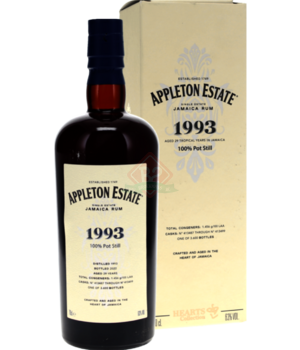
Appleton 1993 29y Hearts Collection Incl. Box
In stock
Appleton 1993 29y Hearts Collection is far removed from everyday Jamaican rum. It comes from Appleton Estate's Hearts Collection, a series released in collaboration with Velier and created to show older individual components in a more focused way than a regular blend.
Distilled in 1993 and bottled in 2022, this rum spent 29 years maturing tropically in Jamaica. That long ageing under warm conditions gives the bottling a deeply mature presence. It was aged in bourbon barrels and bottled at 63%, making it a cask strength rum to taste slowly rather than rush.
At Drankenshop Broekmans, this Appleton has a clear place among rums for drinkers who enjoy exploring Jamaican rum in a more analytical and concentrated style. With 3,600 bottles released and only the last (…)Appleton 1994 26y Hearts Collection
COLLECTOR585360° view available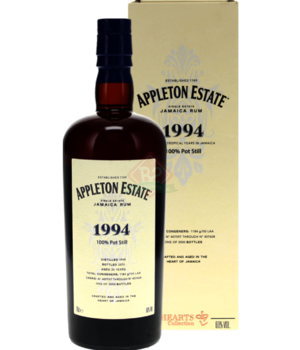
Appleton 1994 26y Hearts Collection
In stock
Appleton 1994 26y Hearts Collection is a Jamaican molasses rum built around a very specific vintage: 1994. It was distilled entirely in pot stills at Appleton Estate and matured for 26 years in Jamaica's tropical climate. That matters here, because the age reflects maturation in Jamaica rather than extended continental ageing.
The release belongs to the Hearts Collection, created with Luca Gargano of Velier and Appleton Estate Master Blender Joy Spence. This series focuses on 100% pot still single marks from Appleton Estate's stocks, with the heart of the distillation placed at the centre of the story. The 1994 edition was drawn from twelve casks and bottled at 60% ABV, at cask strength.
Within the selection at Drankenshop Broekmans, this is the kind of rum (…)Appleton 1995 25y Hearts Collection
COLLECTOR500360° view available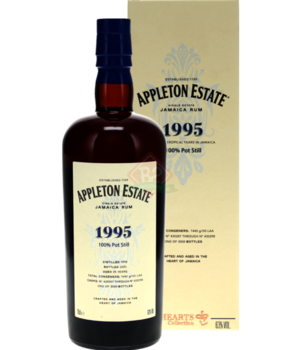
Appleton 1995 25y Hearts Collection
In stock
Appleton 1995 25y Hearts Collection is a Jamaican rum with a very precise identity: Appleton Estate, Nassau Valley, 100% pot still and part of the first Hearts Collection releases created in collaboration with Velier. The series highlights individual pot still vintages, drawn from stocks that would normally contribute to Appleton Estate's blending programme.
Distilled in 1995 and bottled in 2020, this release spent 25 years maturing tropically in Jamaica. It was aged in ex-bourbon barrels and bottled at cask strength, 63% vol., keeping the rum's natural intensity firmly in place. With 3,000 bottles produced from a defined set of casks, it has the focused feel of a limited vintage bottling.
At Drankenshop Broekmans, this is the kind of rum we present to (…)Appleton 2002 20y Hearts Collection Incl. Box
150360° view available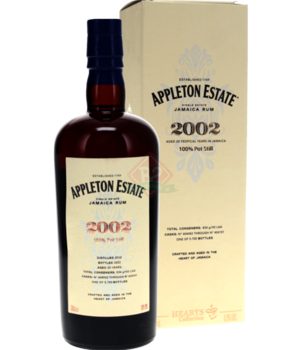
Appleton 2002 20y Hearts Collection Incl. Box
In stock
Appleton 2002 20y Hearts Collection is a Jamaican rum made for slow, attentive tasting. This 2002 vintage was bottled in 2022 after 20 years of tropical maturation in Jamaica and forms part of the Hearts Collection, released by Appleton Estate in collaboration with Velier.
The interest here lies in its age, strength and limited selection. It was bottled at cask strength at 63%, with 5,700 bottles drawn from 20 casks. Maturation in bourbon barrels adds depth to a style where wood, spice and fruit all have a clear voice.
At Drankenshop Broekmans, we see this as a rum to spend time with rather than rush. Its concentration and high strength reward a calm glass, and a few drops of water can help shape the aromatic intensity. As these are the last bottles, the (…)Beenleigh 2015 8y Mag 1,5l (Velier)
LAST PIECES150360° view available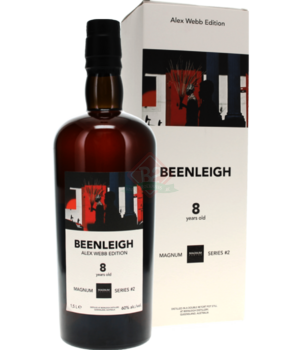
Beenleigh 2015 8y Mag 1,5l (Velier)
Very last one in stock!
Beenleigh 2015 8y Mag 1.5l is an Australian molasses rum with a strong sense of place. It comes from Beenleigh, a distillery founded in 1884 in Queensland, and is made from molasses sourced from Australia's last privately owned mill. That background gives the bottle a story before the glass is even poured.
The rum is distilled using both columns and pot stills, then aged for 8 years in bourbon barrels. At 60% and bottled at cask strength, it keeps a firm, direct character rather than smoothing away its natural intensity. The 1.5 litre magnum format adds to its distinctive presence, especially as these are the last bottles.
At Drankenshop Broekmans, this Velier bottling sits in the selection for drinkers who appreciate rum with origin, power and detail: (…)Caroni 1996 25y Mahesh (Caroni Employees)
COLLECTOR250360° view available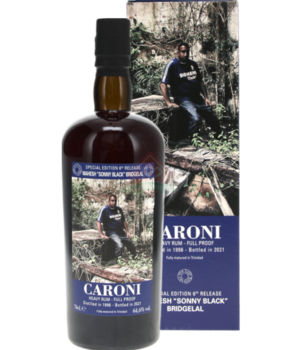
Caroni 1996 25y Mahesh (Caroni Employees)
Only 3 left in stock!
Caroni 1996 25y Mahesh is a Trinidad molasses rum with a story that goes well beyond its age statement. It comes from the closed Caroni Distillery and forms part of the Employees Series, a range created to honour former Caroni workers. This release is dedicated to Mahesh Sonny Black Bridgelal, who spent twelve years at the distillery.
Distilled in 1996 on a traditional column still, it was bottled at full proof at 64.6%. The rum is described as HTR, or heavy rum, and was matured entirely in the tropics in Trinidad. With an angel's share of more than 85%, its 25 years of ageing point to real concentration and rarity rather than age as a simple number on the label.
This edition was assembled from four casks from the 1996 vintage, with only 689 bottles released. (…)Caroni 1996 25y Ricky (Caroni Employees)
COLLECTOR250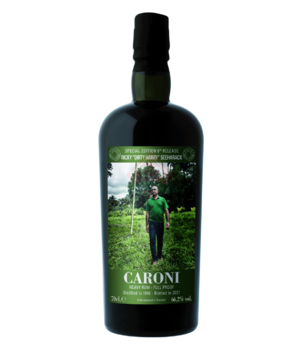
Caroni 1996 25y Ricky (Caroni Employees)
In stock
Caroni 1996 25y Ricky is a Trinidad rum with a strong sense of place and history. It comes from the closed Caroni distillery and was bottled by Velier as part of the limited Caroni Employees series. This release honours Ricky Dirty Harry Seeharack, a former Caroni employee who worked at the distillery for twenty years.
Distilled in 1996 from molasses in a traditional column style, it spent 25 years maturing in Trinidad's tropical climate before being bottled at cask strength, 66.2%. The angel's share during maturation exceeded 85%, underlining just how concentrated and intense this style of Caroni can become over time.
Only 630 bottles were released, and this bottling belongs to the sixth and final release of the Employees series. At Drankenshop Broekmans, it (…)Caroni 1998 25y Rum Sponge (Caroni Employees)
COLLECTOR150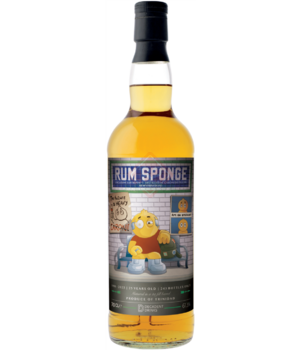
Caroni 1998 25y Rum Sponge (Caroni Employees)
In stock
Caroni 1998 25 Year Old Rum Sponge is the kind of rum that invites slow attention rather than quick impressions. Distilled in Trinidad in 1998 at the now-closed Caroni distillery, it was bottled in 2023 by Decadent Drinks under the Rum Sponge label. This release belongs to Rum Sponge Exclusive Edition No. 3 in the New Vibrations series for La Maison du Whisky.
It comes from a single cask and was bottled at cask strength, 61.3%, with only 243 bottles released. Age, scarcity, closed-distillery origin and single cask identity all reinforce its collector appeal. At Drankenshop Broekmans, we see a bottling like this as something to pour with care, compare thoughtfully and return to slowly rather than treat as an everyday rum.
The maturation is described as a (…)Caroni 21y (Velier)
COLLECTOR150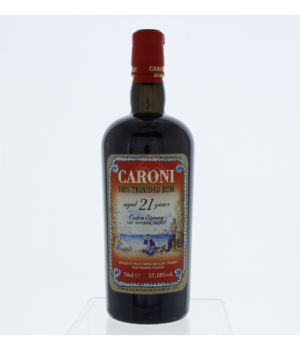
Caroni 21y (Velier)
In stock
Caroni 21y is the kind of rum where the name already carries real weight. It comes from Trinidad's closed Caroni Distillery, was distilled in 1996 and matured for 21 years before being bottled by Velier. At 57.18% alcohol, this is a cask strength molasses rum with a serious, concentrated presence, made for slow sipping rather than casual mixing.
Its tropical maturation in Trinidad is an important part of the story, with the available information referring to an exceptionally high angel's share. That long, intense maturation helps explain the dense, aromatic style associated with this release. The connection to the remaining Caroni stocks bottled by Velier gives the rum a strong sense of place and history.
At Drankenshop Broekmans, this bottle sits naturally (…)Caroni 23y 1994 Guyana (Velier)
COLLECTOR250360° view available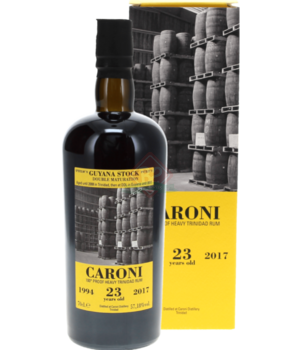
Caroni 23y 1994 Guyana (Velier)
In stock
Caroni 23y 1994 Guyana is a heavy molasses rum distilled in 1994 at the former Caroni Distillery in Trinidad and bottled at 23 years of age. The Guyana reference is central to the story: the casks first matured in Trinidad, then continued their tropical ageing at Demerara Distillers Ltd. in Guyana until bottling in 2017.
That double maturation gives this Velier release a very particular identity within the Caroni series. Bottled at cask strength, 57.18%, and released in 6,642 bottles, it is a dry, powerful and wood-driven rum shaped by long tropical ageing. The stated angel's share of more than 85% says a great deal about the concentration left behind in the cask.
At Drankenshop Broekmans, we see this bottle mainly as a serious Caroni for drinkers who are (…)Caroni Paradise 1994 #3 (Velier) Incl. Box
COLLECTOR5.000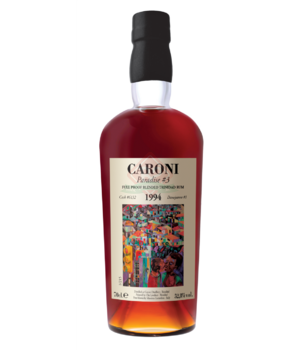
Caroni Paradise 1994 #3 (Velier) Incl. Box
Very last one in stock!
Caroni Paradise 1994 #3 is a rum where provenance, time and scarcity all matter. Distilled in 1994 at Caroni in Trinidad and bottled by Velier in 2023, this 29-year-old molasses rum comes from cask #6132. It is a single cask release, bottled at full proof, with only 215 bottles produced.
The Paradise name refers to a very specific part of its journey. The rum first matured in Trinidad, continued its ageing in Guyana at Demerara Distillers, and was later brought to Cognac. There, the contents of selected Caroni casks were placed in glass demijohns in the so-called Paradise, echoing the cognac tradition of keeping old eaux-de-vie in a paradis. For a rum from the now-closed Caroni distillery, that final chapter adds real context to the bottle.
At Drankenshop (…)Caroni Paradise 1996 #4 (Velier) Incl. Box
COLLECTOR5.000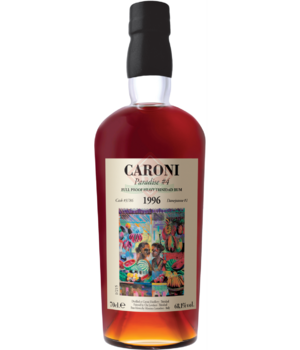
Caroni Paradise 1996 #4 (Velier) Incl. Box
Very last one in stock!
Caroni Paradise 1996 #4 is a Trinidad rum with a very clear sense of origin. Distilled in 1996 from molasses using traditional column distillation and bottled in 2023 at 27 years of age, it belongs to the heavier, more concentrated side of Caroni.
This Paradise #4 comes from cask no. 3786, selected during the Caroni Ceremony of 12 April 2019 from the remaining Caroni stocks. The rum matured in Trinidad until 2019, after which it was transferred into 54-litre glass demijohns and kept in the Cognac region until bottling. That detail matters: this is not a Cognac cask finish, but further preservation in glass.
Velier bottled it as a single cask, full proof rum at 68.1%, with only 215 bottles produced. At Drankenshop Broekmans, releases like this are treated as (…)Foursquare 2005 Velier 1,5l (Velier Elliott Erwitt)
COLLECTOR250360° view available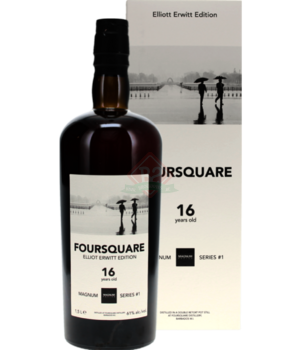
Foursquare 2005 Velier 1,5l (Velier Elliott Erwitt)
Very last one in stock!
Foursquare 2005 Velier 1.5l is a magnum release from Barbados, bottled by Velier as part of the Elliott Erwitt series. It is a 16-year-old rum, distilled in 2005 and bottled at 61%, with only 600 bottles produced in this 1.5 litre format. The label features a 1970 photograph by Elliott Erwitt taken at the Peace Memorial Park in Hiroshima, giving the bottle a strong identity beyond the rum itself.
Made from molasses at Foursquare, it brings together pot still and column still rum from a single distillery. The long tropical maturation in Barbados and cask-strength bottling point to a powerful, mature style, driven by fruit, wood influence and spice. The available information also notes that it is not sweetened, so the focus remains firmly on the distillate, the maturation and (…)Guyana 1999 23y The Wild Parrot Tube Incl.
LAST PIECES500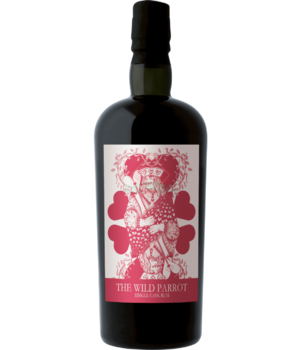
Guyana 1999 23y The Wild Parrot Tube Incl.
Only 3 left in stock!
Guyana 1999 23y The Wild Parrot is a rum where the cask, the origin and the long maturation all matter. Distilled in 1999 and bottled in 2023, this Guyanese single cask rum spent 23 years developing before being released at 51.5%. At Drankenshop Broekmans, it stands out as a serious, dry Demerara-style bottling with a very clear sense of place.
The rum was independently bottled by Hidden Spirits under its The Wild Parrot label. It is described as a molasses-based pure single rum, linked to the Port Mourant style and drawn from cask WP99515. Maturation took place in one ex-bourbon cask: first tropically in Guyana from 1999 to 2002, then continentally in the United Kingdom until bottling.
With only 168 bottles documented, this is a very focused release rather (…)Hampden 15y Incl. Box
COLLECTOR150360° view available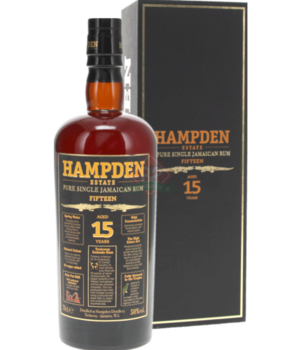
Hampden 15y Incl. Box
In stock
Hampden 15y is a Jamaican rum with real presence: 15 years old, fully tropical aged, and produced at Hampden Estate in Trelawny, a historic distillery where rum has been made by traditional methods since the 18th century.
Its personality comes from long fermentation and pot still distillation, two elements closely tied to the Hampden style. This release carries the LROK mark, Light Rum Owen Kelly, with an ester level between 200 and 400 g/hlap. That places it firmly in expressive territory, with structure and intensity rather than a soft, anonymous style.
The maturation took place in bourbon casks under Jamaica's tropical climate. The result is a mature rum built around wood, spice, fruit and a lightly vegetal edge. At Drankenshop Broekmans, this is the kind (…)Hampden 2016 <>h (Habitation Velier)
COLLECTOR199360° view available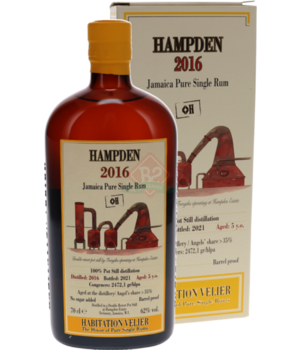
Hampden 2016 <>h (Habitation Velier)
Very last one in stock!
Hampden 2016 <>H Hab from Habitation Velier is a Jamaican rum with a very clear point of view. Bottled by Velier and produced at Hampden Estate in Trelawny, it is a molasses-based pure single rum, distilled in pot still style and presented with the kind of distillery transparency that defines the Habitation Velier range.
The heart of this release is the <>H mark. At Hampden, a mark refers to a specific production style with its own aromatic intensity. Here, the figures are striking: 885.5 gr/HLPA of esters and 2472.1 gr/HLPA of volatile compounds are mentioned for this bottling, placing it firmly in the high-ester Jamaican tradition.
Distilled in 2016 on a Jamaican double retort pot still, it spent five years maturing fully in Jamaica in (…)Hampden 2016 Hlcf 1,5l (Velier Elliott Erwitt)
COLLECTOR250360° view available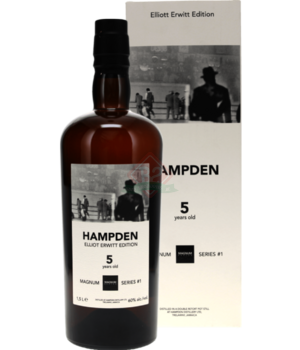
Hampden 2016 Hlcf 1,5l (Velier Elliott Erwitt)
Very last one in stock!
Hampden 2016 HLCF 1.5l is a Jamaican molasses rum with the direct, highly expressive style that has made Hampden Estate such a distinctive name among pot still rum drinkers. Bottled by Velier, it belongs to the first Magnum Series and was distilled in 2016 at Hampden Estate in Trelawny, then aged for five years in the tropics in ex-bourbon barrels.
HLCF stands for Hampden Light Continental Flavoured, a mark associated here with a high-ester profile. In the glass, that points towards intensity rather than restraint: a concentrated Jamaican rum with plenty of aromatic lift and a deliberately bold personality. At 60% vol., bottled at cask strength and stated as unsweetened, it is very much a rum for slow, focused tasting.
At Drankenshop Broekmans, this bottle (…)Hampden 2019 Lrok (Habitation Velier)
150360° view available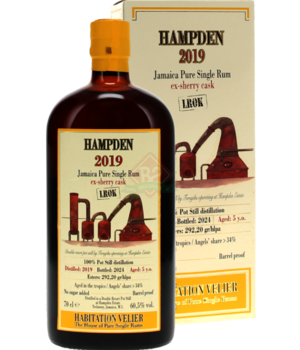
Hampden 2019 Lrok (Habitation Velier)
In stock
Hampden 2019 LROK is a Jamaican molasses rum with a very clear identity. LROK stands for Light Rum Owen Kelly, and in this case refers to an ester level of 200 to 400 g/hL: aromatic and expressive, yet still measured within the unmistakable Hampden style.
Distilled in 2019 on a pot still, it spent 5 years maturing in a sherry butt. That maturation adds depth and maturity while keeping Hampden's typical empyreumatic side firmly present. The producer's information even draws a comparison with the complexity of certain Scotch single malts, which gives a good sense of the direction here: powerful rum with structure, not just raw intensity.
Bottled at cask strength at 60.5%, this is a concentrated release with plenty of presence. At Drankenshop Broekmans, it sits (…)Long Pond 2019 3y Stce Habv (Habitation Velier)
COLLECTOR150360° view available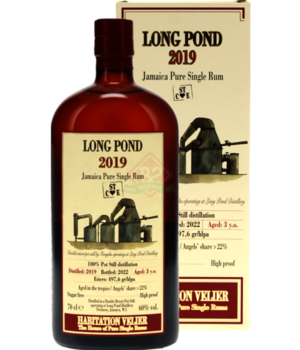
Long Pond 2019 3y Stce Habv (Habitation Velier)
In stock
Long Pond 2019 3y Stce Habv is Jamaican rum in a particularly direct form: a molasses-based rum from Long Pond, fully pot still distilled and bottled by Velier as part of the Habitation Velier range. The reference to the STCÔÖÑE profile adds an important layer, linking this release to the historic Cambridge Estate style that has continued through Long Pond.
Its personality comes from the meeting of young maturation and a very assertive distillate. Distilled in 2019, aged for three years and bottled at 60%, it keeps plenty of raw energy. Indigenous yeasts, copper pot still distillation and a stated ester level of 497.6 g/hlpa all point towards a firmly high-ester Jamaican profile.
At Drankenshop Broekmans, this is the kind of rum we would (…)Mount Gay 2007 Velier 1,5l (Velier Elliott Erwitt)
COLLECTOR100360° view available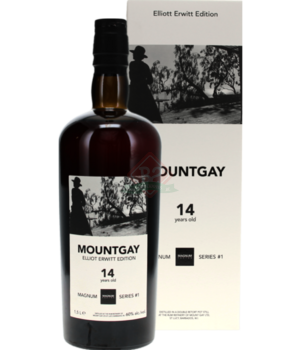
Mount Gay 2007 Velier 1,5l (Velier Elliott Erwitt)
Very last one in stock!
Mount Gay 2007 Velier 1.5l is a Barbados rum with a strong sense of occasion. This magnum bottling comes from the Velier Elliott Erwitt series, distilled at Mount Gay in 2007 and bottled after 14 years at 60% ABV. The large-format bottle gives it a different presence from a standard release, especially for anyone who enjoys rum as much for its story as for its flavour.
Made from molasses and matured in bourbon barrels, it was bottled at cask strength rather than reduced to a gentler standard strength. The available profile points to a powerful, concentrated rum shaped by spice, sweetness and a restrained touch of wood.
The Elliott Erwitt edition brings together rum and photography: the label features an Erwitt image taken in 1999 in Pacific Palisades, (…)Mount Gay Coffey Still #7 58 Incl. Box
75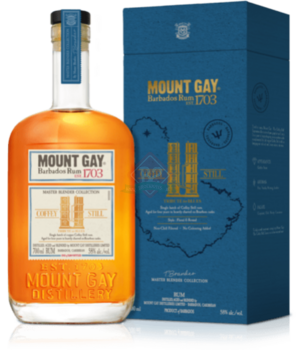
Mount Gay Coffey Still #7 58 Incl. Box
In stock
Mount Gay Coffey Still #7 58 is a limited Barbados rum from the Master Blender Collection, built around one very specific element: Mount Gay's copper Coffey still. This seventh release is made entirely from Coffey still distillate, bottled at 58%, and comes from a small batch limited to 5,004 bottles.
The background gives the bottle real meaning. Mount Gay's Coffey still had been out of use for decades before being recommissioned in 2019. This release is described as the first Mount Gay bottling of Coffey still distillate since that recommissioning, and it is dedicated to Reynold Blues Hinds, a distiller who worked at Mount Gay for more than fifty years and played a role in bringing the still back into operation.
Made from 100% Barbadian molasses, the rum was (…)Providence 2020 (Habitation Velier) Incl. Box
100360° view available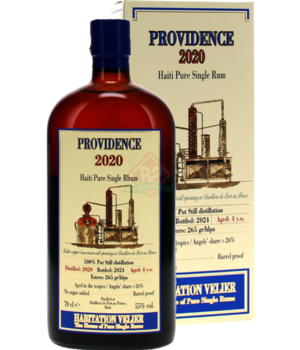
Providence 2020 (Habitation Velier) Incl. Box
In stock
Providence 2020 is a Haitian rum with a story that immediately sets it apart. With this release, Habitation Velier bottles an aged rum from the Port-au-Prince distillery for the first time, giving it a distinctive place in the rum selection at Drankenshop Broekmans.
The make-up of the rum is particularly interesting. Cristalline cane sugar syrup, fermented with vinasses, is blended with fresh sugar cane juice, then double distilled in a Müller pot still. That combination gives the rum its lively cane-driven feel, with fruit, spice and a gentle vegetal edge rather than an overtly sweet profile.
After four years of tropical ageing in American oak, it is bottled at 55% ABV. The strength gives it presence, but the character remains aromatic and detailed: (…)Providence 3y 2021 Incl. Box
100360° view available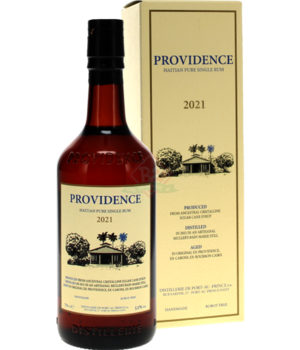
Providence 3y 2021 Incl. Box
In stock
Providence 3y 2021 is a Haitian sugar cane juice rum from the Port-au-Prince distillery. Founded in 2018 on the former Habitation Sarthe Providence estate, the distillery works with a 1,500-litre Müller pot still and is linked to the revival of double distillation in Haiti.
This 3-year-old release comes from a blend of casks that previously held Bourbon and Caroni rum. The result is not a heavy style, but one built around elegance, freshness and detail. Bottled at 52%, it keeps a lively, direct presence in the glass.
For Drankenshop Broekmans, Providence is the kind of rum that gives a clear sense of place and craft. Its fruity side is the most prominent, while gentle spice, wood, floral touches and a light vegetal note add extra dimension without taking (…)Saint James Ephemeres N°6 Incl. Box
LAST PIECES75360° view available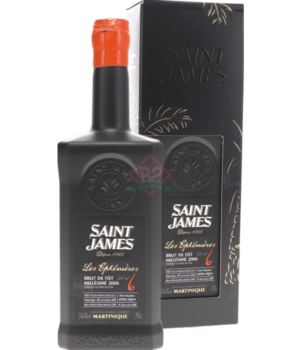
Saint James Ephemeres N°6 Incl. Box
In stock
Saint James Ephemeres N°6 is an aged rhum agricole from Martinique, produced from fresh sugar cane juice and released within the limited Les Éphémères series. The range focuses on individual vintages from the Saint James cellars, and this sixth edition presents the 2006 vintage in a particularly direct form.
The rum was filled into cask on 12 December 2006 and matured for 15 years in Martinique in 200-litre American oak casks. It was bottled at its natural cask strength of 54.4%, without reduction and after light filtration. As a brut de fût bottling, it keeps the concentration of the maturation clearly intact.
At Drankenshop Broekmans, this is the kind of rhum agricole we would place in front of someone who enjoys slow, neat (…)
Frequently asked questions
Answers to most frequently asked questions about rum
What is rum?
Rum is a liquor made from sugar cane. It can be made via molasses (the syrupy by-product of sugar production) or via fresh sugarcane juice. After fermentation and distillation, you have the base, which is then often aged in wooden barrels. As simple as it sounds, the result is versatile: from light and fresh to deep and complex.
Europe has imposed rules and distinguishes between "rum" and "spirit drink". A drink can only be called rum if it:
-
is made from sugar cane products
-
is fermented and distilled
-
has a maximum alcohol content of 96% at distillation
-
contains at least 37.5% alcohol at bottling
-
contains no flavourings or large quantities of sugar
If producers do use extra flavourings, lots of sugar or other additives, it legally becomes "spirit drink" or "spirituose" instead of rum.
What is the difference between rum and spirit drink?
In Europe, this difference has come about mainly because of stricter and clearer rules around protected drink categories. "Rum" is not a non-committal marketing term in the EU, but a legally defined category. If a product does not exactly meet that definition, it can no longer officially be called rum and must be sold as a "spirit drink", for example.
The main rules are in the European geographical indications and spirit legislation, now under Regulation (EU) 2019/787.
The heart of the problem usually lies in one of these points:
- Added flavourings
Real rum may not simply be flavoured with, say, vanilla, chocolate or other distinct flavourings if it is still to be called "rum". Once the additives fall outside the permissible limits, it legally becomes a "spirit drink". - Added sugar or sweeteners
There are limits on how much sugar or sweetening can be added without losing the "rum" category. Some producers used to add relatively large amounts of sugar to make the drink softer or fuller. Stricter controls required those products to be relabelled. - Alcohol from other raw materials
Rum must come from sugar cane products such as molasses or sugar cane juice. If neutral alcohol of other origin is added (e.g. grain alcohol), the product falls outside the definition. - Production method or strength
Minimum alcohol percentages and production methods are also set by law.
Especially in recent years, enforcement has become stricter. As a result, you see that some brands that were sold as rum for years suddenly got "spirit drink", "spiced spirit drink" or "rum-based spirit drink" on the label.
A well-known example are certain "spiced rums". Many consumers still call them rum, but legally some of them cannot be called rum in Europe because they are too strongly flavoured or sweetened.
That does not necessarily mean the quality is worse - just that the product no longer fits within the strict EU definition of rum. Some enthusiasts actually find these stricter rules positive, as it makes it clearer what is pure rum and what is a flavoured variety.
Which rum is tasty?
The question "which rum is good?" seems simple, but the answer depends entirely on personal taste. Instead of immediately reaching for specific bottles, it makes more sense to first consider what you would like to drink. Do you like soft, sweet flavours like vanilla, caramel and honey, or do you rather prefer fresh and light notes like citrus and coconut? Maybe you just go for something more powerful with wood, spices and cocoa, or even a more pronounced, funky style with ripe fruit and an almost wild intensity. After all, rum is one of the most diverse spirits, and "tasty" means something different to everyone.
In addition, the moment also plays a role. A light, fresh rum comes into its own in cocktails and on hot days, while a richer, fuller rum is better suited to drinking on its own or as a digestif. There are also styles that sit somewhere in between: accessible enough for mixed drinks, but with enough character to appreciate solo as well.
By approaching the question in this way, you will not only discover what you yourself find a tasty rum, but you will also eventually begin to better understand why that rum suits you.
What types of rum are there?
The best-known subdivisions are white, gold and dark. White rum is bright, fresh and perfect for cocktails like mojito or daiquiri. Golden rum has a bit more body thanks to a short maturation. Dark rum matures longer and develops rich, spicy notes that you can safely drink pure. And then there is spiced rum, where spices like vanilla or cinnamon give it an extra sweet twist.
Broadly speaking, you can distinguish the following styles:
- White rum: clear and light in flavour
- Gold rum: golden, richer flavour than white rum with notes of caramel and vanilla
- Dark rum: dark, deep in colour, with rich and complex flavours such as molasses, chocolate and spices
- Spiced rum: flavoured with spices such as cinnamon, cloves and vanilla
- Overproof rum: high alcohol content, often above 50%
- Flavored rum: Added flavours such as coconut, pineapple or mango
What is English-style rum?
This rum is known for its full, rich and complex flavours. The English-style rum often has notes of molasses, caramel, fruit and spices.
This style rum is made from molasses and is often distilled in pot stills, resulting in a robust flavour profile. According to American Chemical Society, rums from pot stills contain more esters and higher alcohols, which contribute to the complex flavour.
Countries where the specific style of rum is traditionally produced include Jamaica, Barbados, Guyana and Trinidad. Well-known brands of English-style rums include Appleton Estate, Mount Gay and El Dorado.
What is Spanish-style rum?
Spanish-style rum ("Ron") is lighter and sweeter, with a smooth and refined taste. These rums often have notes of vanilla, caramel and tropical fruit.
It is made from molasses and often distilled in column stills, resulting in a lighter, purer rum. Column stills allow for more efficient distillation, giving the rum a more consistent character. Furthermore, these rums are often aged in a so-called Solera system.
Countries where the specific style of rum is traditionally produced: Cuba, Puerto Rico, Dominican Republic and Venezuela, brands like Bacardi, Ron Zacapa and Havana Club probably sound familiar.
What is Rhum Agricole (French style)?
French-style rum has an earthy, grassy and sometimes floral flavour. It is often complex and can range from light and fresh to rich and spicy. It is a real "love it or hate it" type of rum: some swear by it and others revile it.
This rum is made from freshly squeezed sugarcane juice and usually distilled in pot stills. Production often follows strict standards, such as the AOC (Appellation d'Origine Contrôlée) in Martinique, ensuring consistent and high-quality production.
Countries where this particular style of rum is traditionally produced: Martinique, Guadeloupe and Haiti. Well-known brands include Rhum Clément, Rhum JM and Barbancourt.
What do VS, VSOP and XO mean?
Unlike with cognac, these designations are not regulated within rum. These designations in rums therefore often say more about quality or style, but do not necessarily refer to an explicit (minimum) age of the spirit in the bottle.
How strong is rum?
Most rums are around 37.5% to 40% alcohol. But beware: there are also so-called overproof rums that easily exceed 60%. These will immediately spice up your cocktail - or provide a solid punch when drunk straight.
What is the difference between rum, cachaça and rhum agricole?
It's all in the base. Rum is usually made from molasses, while cachaça (from Brazil) and rhum agricole (from the French Caribbean) always come from fresh sugarcane juice. The result? Agricole and cachaça often have a somewhat grassy, spicy touch, while rum tends to be rounder and softer.
What rum do you use for cocktails?
For fresh mixed drinks such as a mojito or daiquiri, it is best to choose a light white rum. Tiki cocktails or a Dark 'n Stormy, on the other hand, get more depth from a dark or spicy rum. In short: your choice of rum makes all the difference in your glass.
Which rums can you drink pure?
Aged rums from Barbados, Jamaica or the Dominican Republic, for example, are often smooth, complex and ideal to enjoy pure. They can easily compete with a good whisky or cognac in terms of depth.
How does rum taste compared to whisky or brandy?
Rum tends to be sweeter and rounder thanks to the sugar cane. Whisky can be malty, spicy or smoky, while brandy is more likely to have fruity, wine-like notes. A matter of taste, but rum often has a more tropical character.
What is the maturation process for rum?
Rum usually matures in ex-bourbon barrels. Due to the warm climate in the Caribbean, this is faster than for whisky in Scotland. As a result, an 8-year-old rum can already taste surprisingly intense.
What is the difference between pot still rum and column still rum?
- Pot still-rum is rich, powerful and complex because it is distilled in smaller batches.
- Column still-rum is lighter and cleaner, ideal for blending.
Many brands combine both styles to get a balanced profile.
What does "solera" or "solera system rum" mean on a rum bottle?
Solera System rum refers to a maturation method where young and old rums flow together. In a Solera System, barrels of different ages are stacked on top of each other, with the oldest rum sitting at the bottom. Bottles are filled from these lower barrels, and then the barrel is replenished with rum from the row above, and so on. The result is a blend of quite a few different ages that results in a flavourful, complex final product that is still consistent in quality, style and recognisability. Because the oldest barrels at the bottom are always diluted with younger rums, the final product in a properly functioning Solera system, after decades of production, basically still contains traces of the very first, oldest rum the process ever started with.
The year number on the bottle then often refers to the oldest rum in the blend, not the average age.
Is rum always made from sugar cane?
Yes, that is a must. Whether it is molasses or sugarcane juice, rum must always come from sugarcane. Other sugars (beet, palm, etc.) are officially outside the definition.
The base for a rum can usually be reduced to one of the following groups:
- Molasses (molasses, syrup): Molasses is fermented and distilled, after which the rum can be aged in barrels. Molasses is a by-product of sugar production and contains many sugars that are converted into alcohol and complex flavourings during fermentation.
- Suger Cane Juice : This rum is known for its natural, unadulterated taste of sugar cane. In this rum, the juice is directly fermented and then distilled.
- Spiced rum: Base rum to which spices and sometimes additional flavours are added during or after the distillation process.
- Sugar Cane Syrup: Sugar cane syrup is fermented and distilled. The use of sugar cane syrup gives the rum a more concentrated and pure sugar cane flavour.
- Sugar Cane Honey: This substance, also known as "miel de caña" in Spanish, is a thick, syrupy liquid obtained by boiling the juice of sugar cane until it thickens, but before it crystallises into sugar. This method is less common and results in a rum with a unique, rich flavour.
- Arranged rum: Base rum is mixed with various flavourings and left to macerate for some time. This gives the rum a distinct and often sweet profile.
What is molasses?
Molasses is a syrupy by-product of sugar refining. It is created when sugar cane or sugar beet is processed to produce sugar.
What is the difference between white and dark rum?
The difference between white and dark rums is mainly in the production methods and ageing times, resulting in different flavours, colours and uses. White rum is clear and translucent, has a mild and light flavour with subtle notes, and is often aged for a shorter time than dark rum, usually in stainless steel tanks or neutral barrels to preserve its colour. This rum type is popular in cocktails such as mojitos and daiquiris, where a subtle rum flavour is desired without affecting the colour of the drink.
Dark rum, on the other hand, is dark brown to almost black in colour, with a rich and full-bodied flavour that contains complex notes of caramel, vanilla and sometimes spices. This rum is aged longer in oak barrels, which contributes to its dark colour and rich flavour. Sometimes caramel is also added for extra colour and flavour. Dark rum is often used in cocktails where a stronger rum flavour is desired, such as in a rum old fashioned, or drunk pure as a sipping rum.
What is the history of rum?
Rum was first produced in the Caribbean in the 17th century, with the first documented production in Barbados around 1650. Production quickly spread to North America, especially to the colonies in New England, where rum became an important trade product.
Rum played a crucial role in the transatlantic slave trade, also known as the Triangular Trade. Slaves from Africa were brought to the Caribbean to work on sugar cane plantations, while sugar and rum were shipped to Europe and North America. Locals and workers often had access to the rum produced locally, making it a popular drink among the lower social classes. This gave rum a negative connotation and it was seen as the drink for the poor. Today, this image has completely changed is rum is a versatile and popular drink.
Why is rum so strongly associated with pirates?
In the 17th and 18th centuries, rum was the means of payment and exchange in the Caribbean. Sailors often received a ration of rum as part of their wages. No wonder pirates and rum have been inextricably linked ever since.
Where can I buy rum?
Basic rums like a brown Havana Club can be found in any shop or supermarket these days, but there is so much more! With over 1,000 rums in our range, Drankenshop Broekmans is the right place for all your rum needs, no matter what colour, flavour, profile, brand, country or price range you are looking for.

