Absinthe, often known as the ‘Green Fairy’ due to its vibrant colour and mystical reputation, is a drink with a rich history and a certain air of mystery about it. Over the centuries, this spirit has found its place in the culture of artists, writers and bon vivants. In this blog, we’ll take a closer look at the origins, the fascinating history and the intriguing flavour of this legendary drink.
The origins of absinthe
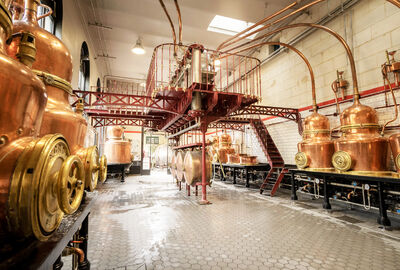
Absinthe was first produced in the late 18th century in the Swiss Val-de-Travers, although the drink was originally based on ancient herbal concoctions. The modern version of absinthe is often attributed to the French doctor Dr Pierre Ordinaire, who in 1792 developed a distillation process using wormwood (Artemisia absinthium), aniseed and fennel, along with other herbs. This drink was initially sold as a medicinal remedy, as wormwood was praised for its supposed healing properties.
In the early 19th century, absinthe became increasingly popular in France, particularly as French soldiers used it during military campaigns to combat diseases such as malaria. Upon their return, absinthe’s popularity spread rapidly, particularly in the cafés of Paris, where it became known as the favourite drink of both bohemians and the elite.
The mystical history of absinthe
Absinthe was known as more than just an alcoholic drink; it gained a reputation as a source of creativity and inspiration. Famous artists and writers such as Vincent van Gogh, Pablo Picasso, Oscar Wilde and Ernest Hemingway were avid absinthe drinkers. This cultural elite often referred to it as the ‘Green Fairy’ because they believed it gave them visions, creative insight and inspiration.
Towards the end of the 19th century, however, absinthe came under fire. The combination of its high alcohol content (usually around 45–74 per cent) and the use of wormwood, which contained thujone – a substance that can be toxic in high concentrations – led to rumours that absinthe caused hallucinations and even madness. Stories were circulated about absinthe drinkers committing acts of violence, leading to growing public outrage.
In 1915, absinthe was eventually banned in many countries, including France, the United States and Switzerland, due to the alleged health risks and moral panic surrounding the drink. It was not until the late 20th and early 21st centuries that it became clear that the hysteria surrounding absinthe had been exaggerated, and it was legalised once again, albeit with stricter regulations regarding its thujone content.
The taste of absinthe: a unique experience
Absinthe is a complex drink with a distinctive flavour that is not to everyone’s taste. Its main ingredient, wormwood, gives it a slightly bitter, herbaceous flavour. Combined with aniseed and fennel, absinthe also acquires a characteristic sweet and spicy flavour reminiscent of liquorice. Some types of absinthe also contain other herbs such as coriander, lemon balm or angelica, which add extra depth to the flavour experience.
The Correct Way to Drink Absinthe
Drinking absinthe neat is generally not recommended due to its high alcohol content and intense flavour. Traditionally, it is served according to a ritual that dates back to the 19th century. This ritual is just as important to the experience as the flavour itself.
- Pour a small amount of absinthe into a glass.
- Place a special perforated absinthe spoon on the glass and place a sugar cube on top of it.
- Slowly pour cold water over the sugar cube until it has dissolved and the absinthe begins to ‘louch’ (take on a milky, cloudy colour as the essential oils dissolve in the water).
- Stir gently and enjoy the refined flavours.

Absinthe in the Modern Era
Today, absinthe is popular once again, particularly amongst whisky enthusiasts and cocktail lovers seeking a drink with a rich heritage and a unique flavour. Many modern absinthe brands are produced with carefully controlled levels of thujone, ensuring the drink is safe to consume whilst retaining its distinctive herbal and bitter character.
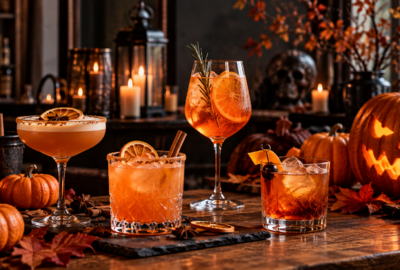
Well-known absinthe brands such as Pernod, La Clandestine, Tabu, La Fée and Kübler have contributed to the revival of absinthe, with a focus on artisanal production and the preservation of traditional methods. Absinthe is also increasingly used in cocktails such as the Sazerac and the Corpse Reviver No. 2, where it adds subtle aniseed and herbal notes.
The Green Fairy Lives On
Absinthe is a drink with a rich and sometimes controversial history, which has been both loved and feared over the years. Today, it is making a comeback as a respected spirit that reveals its true character when enjoyed with the right techniques and rituals. Whether you appreciate the subtle flavours of herbs or are fascinated by the cultural and historical aspects of absinthe, it is a drink that is certainly worth discovering.
Here’s to the “Green Fairy” and her timeless magic!

Blogger
The text you've just read was (partially) created with the help of ChatGPT . Although every story we write is thoroughly proofread and corrected with the help of ChatGPT, it can always happen that an error has crept in here and there that you, as a seasoned connoisseur, do not agree with.
Therefore, if after reading this blog you do not agree with certain statements that are put forward, please do not hesitate to let us know via service@broekmans.be so that we can further edit this text.
It is a conscious decision to explicitly mention that this blog article was written with the help of AI, as nothing is more valuable than the work, preparations and efforts made by "real" bloggers when they publish blog articles on our webshop (or elsewhere) that are not supported by AI.