Are you looking for a nice present for Dad? Has your dad already tried a few bottles and are his taste buds ready for something a bit more challenging? Then this blog might be just the thing for you. In this series, we’re taking a look at 7 tips featuring flavour profiles that go further and are more complex than the basics we all started with. If you want to give Dad a next-level gift, your ideal bottle might well be in this selection.
Bear in mind that the bottles in this series are slightly more expensive than your average beginner’s spirits. Don’t let that put you off, though, as we’ve chosen bottles where that extra cost is definitely justified.
1. Scottish Islay whisky
We’ll start with Islay. This region is one of the most iconic Scottish whisky-producing areas, and whiskies from here are renowned for their peaty flavour profile. When you mention Islay and peat, Ardbeg immediately springs to mind.
The smokiness of an Islay whisky invariably divides whisky drinkers into two camps: love it or hate it. Typical flavours often found in Islay whisky include smoke, campfire, sea salt, iodine, pepper and notes of dark malt, and that unique and recognisable character has given Islay an almost legendary status within the whisky world.
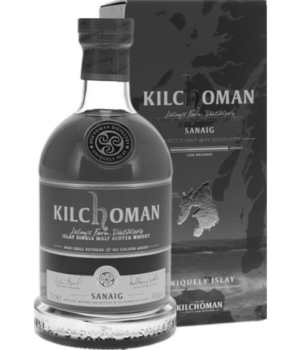
Enter Kilchoman. Kilchoman began producing whisky in 2005. It was the first time in many decades that a new distillery had opened on the mythical island of Islay. What’s more, now, almost 20 years later, it has become clear that Kilchoman was one of the first in a huge wave of new Scottish distilleries – more than 50 have been established in recent years. It was written in the stars that Kilchoman would be here to stay. Right from the start, it was striking how the focus was always on quality first and foremost, without compromise. The credit for this goes to Anthony Wills, the Englishman who dared to start something new. Together with his two sons, he has since built Kilchoman into an established name in the whisky world, and the distillery has also steadily expanded its production capacity. Currently, they can produce up to 650,000 litres annually, and the plans are to grow further, towards the one million mark. We certainly don’t mind that, as whatever they produce is always well received.
The signature style is a heavily peated whisky, entirely in the classic Islay style. The core range consists of the Machir Bay (matured almost entirely in bourbon casks), the Sanaig (roughly 50/50 bourbon and sherry casks) and the Loch Gorm (mostly sherry casks). There is also the 100% Islay, for which they use barley grown exclusively on Islay, and the Batch Strength, a recent addition with a higher alcohol content. Kilchoman’s single casks are always an adventure, as the distillery does not shy away from experimenting with special cask finishes such as tequila, Sauternes, Madeira or STR (Shave, Toast, Rechar). This makes Kilchoman’s products favourites amongst whisky connoisseurs.
This Kilchoman Sanaig is the result of a blend of ex-bourbon casks and Oloroso sherry casks, and takes things a step further than the flagship Machir Bay. The Sanaig is a harmonious marriage of bourbon and sherry casks, balanced by smoky notes, with subtle hints of sweet lemon. The profile leans towards peat, wood, spice and fruitiness.
2. Scottish Speyside whisky
Speyside is geographically situated within the Highlands, but is considered a separate region because so many distilleries are based there. Speyside whiskies are usually elegant, smooth and fruity. Typical characteristics of a Speyside whisky include apple, pear, honey, vanilla and a smooth finish. It is a popular region amongst novice whisky enthusiasts, but that doesn’t mean you can’t pick up a top-tier whisky there.
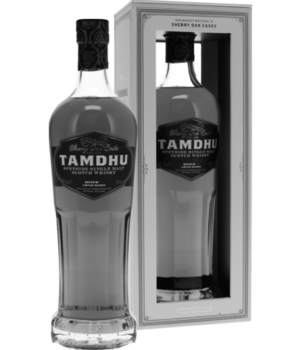
We didn’t opt for the Tamdhu 12-year-old here, but for the rarer Batch Strength #008. Batch Strength No. 008 embodies Tamdhu’s unwavering commitment to producing whisky matured exclusively in sherry casks. It presents itself with a captivating, deep, natural copper colour and a complex palette of flavours. As each Oloroso sherry cask has been hand-selected, this expression offers a refined and nuanced flavour that culminates in a memorable and satisfying finish. All of this encapsulates the essence of Speyside.
On the nose, the connoisseur will detect dark, nutty notes of Spanish oak, which give way to the alluring scent of creamy vanilla and melting honeycomb. The first sip transports you to a summer fruit orchard, where tart berries dance alongside sweet, candied lemon zest. The finish is long and elegant, bearing Tamdhu’s signature sherry oak character, with a hint of figs lingering on the palate for a long time.
3. Scottish Lowland whisky
The Lowlands are situated in the south of Scotland and are traditionally known for lighter, smoother whiskies. Whilst Islay is often associated with smoke and power, Lowland whisky is more about finesse, subtlety and smoothness. Because the region is close to major cities such as Edinburgh and Glasgow, Lowlands whisky was for a long time very popular as an ‘easy-drinking’ style. Many distilleries used to produce whiskies that were ideal for blends, although single malts from the Lowlands have been regaining significant popularity in recent years.
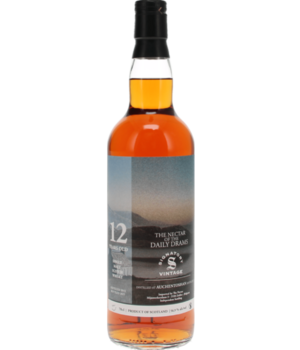
This time, we have opted not for an official bottling, but for an independent single cask bottling from The Nectar’s Daily Dram range. For years, Daily Dram has been synonymous with an exquisite selection of whiskies and rums, bottled both as single casks and in small batches. They are often released at cask strength, and no compromises are ever made on quality. Everything bottled under this label meets a high standard. It is the house brand for independent bottlings by The Nectar, which was founded in 2006 as an independent spirits importer in Belgium.
The nose of this 12-year-old Auchentoshan 2013 is very fruity, with candied citrus and a delicate hint of incense. On the palate, this single malt is rich and expressive, with mocha, dark chocolate and a creamy, oily texture. It finishes harmoniously and invitingly: a balance between chocolate, soft vanilla and fresh citrus notes. The woody, fruity and spicy notes are the most prominent in the flavour profile. Bottled at cask strength at 56.9%, this whisky is certainly not for the faint-hearted!
4. Indian whisky
Paul John Whisky has been in existence since 1996. With their whisky intended for the local market in India, they are the sixth-largest whisky producers in the world. In Europe, we know them primarily for their fine single malt whiskies and brandy. The basis for their whisky is six-row barley from the foothills of the Himalayas, which contains a high fibre and protein content, thereby lending a full-bodied and rich character to the spirit distilled from it. Paul John is situated in Goa, an idyllic part of India with a unique microclimate. Due to the high temperatures, the whisky matures much faster in their casks than whisky does in Scotland.
The Paul John Port Select, finished in a port cask, offers a complex flavour profile of vanilla, dark fruit and spice. The Paul John Select Cask Port was bottled at 48% ABV and released as a limited edition. On the nose, one finds rich vanilla, dry resin, dark plum and red liquorice with blackcurrants, milk chocolate and brown sugar. The nose carries over to the palate, where delicious flavours of candied fruit, a hint of ginger and peppery nutmeg, with sweet oak in the background, can be detected. The finish is long and full of zest, with orange, mocha and spicy chocolate. Woody and spicy notes set the tone for the character of this whisky.

5. Finnish whisky
The story of the Finnish brand Kyrö began with five friends enjoying a bottle of rye whisky together in a sauna. The idea of starting their own distillery was born, and so began the story of Kyrö and their slogan ‘In rye we trust’. With its superb gins, bitters and whiskies, all made from rye, the brand is quickly making a name for itself and has won several international awards.
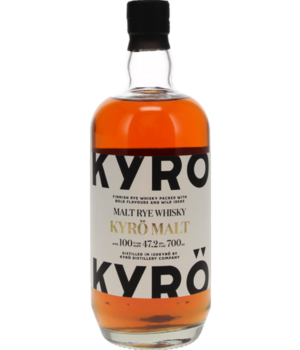
Having won a gold medal at the IWSC 2020, you won’t want to miss this Kyrö Single Malt. Kyrö uses only high-quality Finnish rye with spicy notes. Kyrö Malt is distilled in double pot stills and matured in American white oak casks.
Aromas of vanilla, caramel and dried fruit fill the nose, but you’ll also notice the subtle scent of rye. On the palate, notes of sweet rye bread, honey and wild berries emerge, and this whisky finishes with spicy notes combined with sweeter mocha and toffee flavours.
6. Rum from the Seychelles
The Takamaka distillery’s journey began in the early 2000s, when brothers Richard and Bernard d’Offay decided to create a rum that would embody the warm spirit and hospitality of the Seychelles. Nestled in the heart of the island of Mahé, their distillery has become a cradle of premium craftsmanship.
The d’Offays have combined tradition and innovation, using artisanal distillation methods passed down from generation to generation. They have carefully selected the finest sugarcane varieties from local plantations, thereby preserving the essence of the Seychelles’ terroir.
Takamaka, named after the picturesque valley of the same name on the island of Mahé, captures the essence of island life. Every bottle is the result of an unwavering commitment to quality, authenticity and innovation. The Takamaka distillery has become the guardian of centuries-old traditions whilst embracing modern creativity, producing a range of rums that delight connoisseurs around the world.
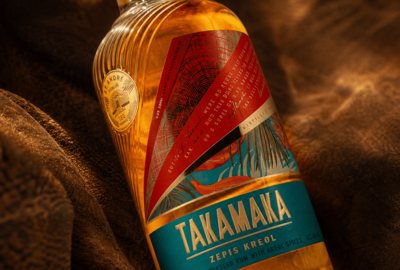
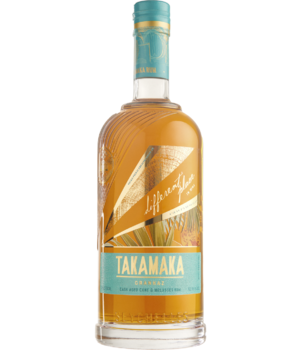
Takamaka Grankaz is a concentrate of Seychelles rum. Traditional rums made from pure Seychelles sugarcane juice are pot-still distilled and then matured for forty-two months in new, medium-toasted French oak casks. They are then blended with a three-year-old ex-bourbon molasses rum and an eight-year-old molasses rum from the Foursquare distillery.
Notes of tropical fruit, vanilla and light woody accents from new oak combine to form a rich bouquet with a subtle sweetness of molasses and mild spices on the nose. The flavour is round and complex, with aromas of caramel, vanilla and ripe fruit (banana, mango), accompanied by light smoky notes and toasted oak. A balance between the freshness of pure cane juice and the depth of molasses rum. The finish is long and lingering, characterised by spices, woody notes and a hint of smoke, with a sweet vanilla finish.
7. French cognac
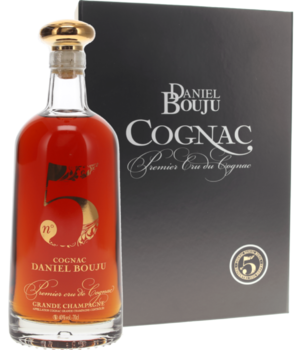
The Daniel Bouju cognac house is a family-run business situated in the village of Saint Preuil in the Charente, amidst the most beautiful countryside in the entire Cognac region. The charming current owner, François Bouju, continues the family tradition: they have 30 hectares of vines in the heart of this famous Grande Champagne region.
’s history of winemaking dates back to the 19th century (1805). This independent cognac label, beloved in countries all over the world, focuses on producing a wide range of artisanal cognacs with a highly distinctive style. Heavily toasted barrels and the use of very old barrels result in cognacs with a unique profile. With an eye for quality and their own techniques, they passionately appeal to many connoisseurs.
This Daniel Bouju N°5 Carafe is characterised by fruity and floral notes, with a hint of oak on the nose. On the palate, the fruity and floral notes from the nose come through, with a delicate hint of wood. The finish is round and smooth.

Marketing • IT • Klantenservice
I've known Broekmans since I graduated in 2006 and thanks to Jan I've come to know the passion for spirits. I dedicate myself every day to the webshop, customer service and all the IT involved. In my spare time, besides whiskey, I can also really enjoy rum, but just as much as a gin tonic or a simple bellini. In the words of Martien Meiland, if there's no alcohol in it, don't call me!