


German absinthe
Please note: stock and availability in our store may vary! More info
Mr. Jekyll Absinth
10360° view available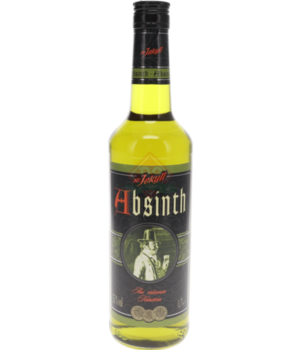
Mr. Jekyll Absinth
In stock
Mr. Jekyll Absinth is a German absinthe bottled at a solid 55% alcohol. That strength immediately gives the bottle its place: this is not a light or casual spirit, but an absinthe with a clear sense of presence.
At Drankenshop Broekmans, it sits well among the more distinctive spirits in the range, the kind of bottle chosen because the style itself is specific. The Mr. Jekyll name, German origin and 55% ABV together give it a straightforward identity without the need for added storytelling.
As no detailed producer background or tasting notes are supplied, the most honest description is also the clearest one: Mr. Jekyll Absinth is a strong German absinthe for those looking for a high-strength expression within a specialist drinks selection.
No (…)Tabu Absinth Classic Green
24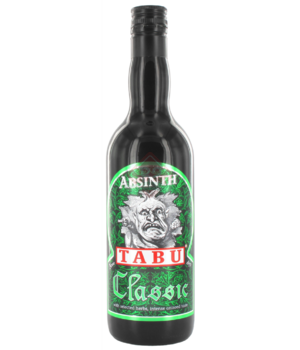
Tabu Absinth Classic Green
In stock
Tabu Absinth Classic Green is a German absinthe with a clear sense of identity: a classic green style at a firm 55% ABV. It is the kind of bottle that asks to be approached deliberately, especially by those looking for a strong and straightforward absinthe.
At Drankenshop Broekmans, we see this Tabu as a direct, recognisable expression of the category. There are no unnecessary claims around it; the essentials already say enough: Tabu, Germany, Classic Green, and a strength that gives it a serious presence.
No specific tasting notes have been provided for Tabu Absinth Classic Green. What is clear is its firm 55% ABV, giving this absinthe a strong presence that calls for careful serving and considered tasting.Tabu Absinth Dry Yellow
34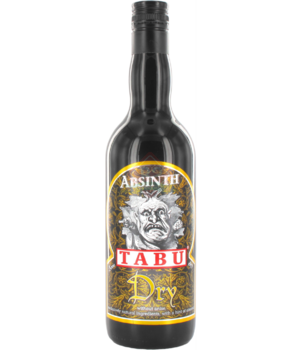
Tabu Absinth Dry Yellow
In stock
Tabu Absinth Dry Yellow is a German absinthe from Tabu, bottled at a firm 55% alcohol. That strength gives it an immediately serious presence and places it firmly within the more assertive side of the absinthe category.
The Dry Yellow name gives this bottling its own identity: dry in style, with the Yellow designation setting it apart. At Drankenshop Broekmans, it sits naturally among the bottles for customers looking for an absinthe with clear strength and a defined personality.
No detailed tasting notes have been provided for Tabu Absinth Dry Yellow. The available information points mainly to its 55% strength and the dry style highlighted in the name. This is therefore best understood as an absinthe with a firm presence and a clearly assertive profile.Tabu Absinth Red
16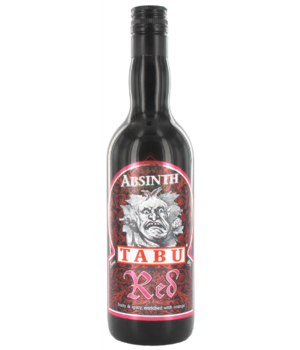
Tabu Absinth Red
In stock
Tabu Absinth Red is a German absinthe bottled at a firm 55% alcohol. That strength immediately places it in a more powerful corner of the absinthe category, the kind of bottle that calls for a considered serve rather than casual sipping.
The Tabu name gives it a clear identity, while the Red designation makes this version stand out from more traditional absinthe labels. At Drankenshop Broekmans, it sits well among bottles chosen for customers who are specifically looking for German absinthe with a pronounced strength and a distinctive name.
As no detailed product story or tasting notes are supplied, the focus stays on what is certain: Tabu Absinth Red is a German absinthe at 55%, with a straightforward, assertive positioning.
No specific aroma (…)Tabu Absinth Strong 50cl
19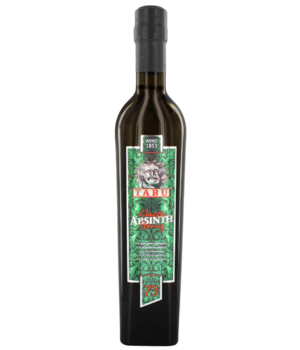
Tabu Absinth Strong 50cl
In stock
Tabu Absinth Strong 50cl is a German absinthe built around one clear idea: strength. At 73% alcohol, it sits firmly in the powerful end of the absinthe category and calls for careful, considered serving.
At Drankenshop Broekmans, this is the kind of bottle we would point out to someone specifically looking for a strong Tabu absinthe rather than a softer interpretation. The 50 cl size keeps the bottle compact, while the alcohol strength gives it a very pronounced presence.
As no detailed product story or tasting notes have been supplied, the focus remains on the confirmed essentials: Tabu as the brand, Germany as the country of origin, and a notably high alcoholic strength for an absinthe.
No specific tasting notes have been provided for Tabu (…)
Frequently asked questions
Answers to the most frequently asked questions about absinthe
Where does absinthe come from?
Absinthe was first produced in the Swiss Val-de-Travers in the late 18th century, although the drink was originally based on ancient herbal drinks. The modern version of absinthe is often attributed to French physician Dr Pierre Ordinaire, who in 1792 developed a distilling process in which he made absinthe from wormwood (Artemisia absinthium), anise and fennel, along with other herbs. This drink was first sold as a medicinal remedy, as wormwood was praised for its alleged medicinal properties.
In the early 19th century, absinthe became increasingly popular in France, especially when French soldiers used it during campaigns to fight diseases such as malaria. After their return, absinthe's popularity spread rapidly, especially in Parisian cafés, where it became known as the favourite drink of bohemians and the elite alike.
What is the myth and controversy surrounding absinthe?
Absinthe was known as more than just an alcoholic drink; it gained a reputation as a source of creativity and inspiration. Famous artists and writers such as Vincent van Gogh, Pablo Picasso, Oscar Wilde and Ernest Hemingway were avid absinthe drinkers. This cultural elite often called it the "Green Fairy" because they believed it gave them visions, creative insight and inspiration.
Towards the end of the 19th century, however, absinthe fell into disrepute. The combination of its high alcohol content (usually around 45-74%) and the use of wormwood, which contained thujone, a substance that can be toxic in high concentrations, led to rumours that absinthe caused hallucinations and even madness. Stories were spread of absinthe users committing violent acts, leading to a growing public outcry.
In 1915, absinthe was eventually banned in many countries, including France, the United States and Switzerland, due to the alleged health risks and moral panic surrounding the drink. It was only in the late 20th and early 21st centuries that it became clear that the hysteria surrounding absinthe was exaggerated, and it was legalised again, albeit with stricter regulations regarding its thujone content.
What does absinthe taste like?
Absinthe is a complex drink with a distinct flavour that is not for everyone. Its main ingredient, wormwood, gives it a slightly bitter, herbaceous flavour. Together with anise and fennel, absinthe also takes on a distinctive sweet and spicy flavour reminiscent of liquorice or liquorice. Some absinthe also contains other herbs such as coriander, melissa, or angelica, which add extra depth to the taste experience.
How do you drink absinthe?
Drinking absinthe pure is generally not recommended due to its high alcohol content and intense flavour. Traditionally, it is served according to a ritual that originated in the 19th century. This ritual is as important to the experience as the flavour itself.
- Pour a small amount of absinthe into a glass.
- Place a specially perforated absinthe spoon on the glass and place a sugar cube on top.
- Slowly pour cold water over the sugar cube until it is dissolved and the absinthe begins to "louch" (take on a milky, cloudy colour due to the essential oils dissolving in water).
- Stir gently and enjoy the delicate flavours.
Where can I buy absinthe or have it delivered to my home?
If you are looking for a good and reliable place to buy the tastiest absinthe and possibly have it delivered to your home, then Drankenshop Broekmans is the place for you. With more than 35 years of experience, we offer you the best spirits at the best price, and thanks to our large stock, you will usually receive your order the very next day.

