


Cognac from Gautier
Please note: stock and availability in our store may vary! More info
Gautier VSOP Incl. Box
50360° view available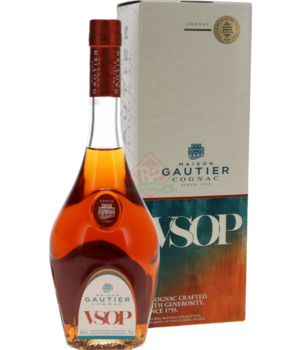
Gautier VSOP Incl. Box
Last one in stock!
Gautier VSOP is a French cognac from Gautier, bottled at 40% ABV. It presents itself clearly: a VSOP cognac from a recognisable house, with a straightforward place in the classic cognac selection.
At Drankenshop Broekmans, bottles like this are often appreciated by customers who want a familiar French cognac without needing a long explanation. Its appeal lies in that clarity: the Gautier name, the VSOP indication and its French cognac identity all point in the same direction.
No specific tasting notes were supplied for Gautier VSOP. The available information identifies it as a French cognac from Gautier, bottled at 40% ABV.Gautier Eden
LAST PIECES350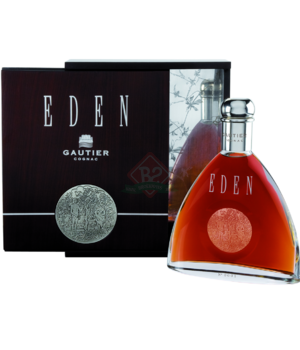

Gautier Eden
Very last one in stock!
Gautier Eden is a French cognac from Gautier, presented with a name that feels calm and refined rather than showy. The available product details keep the focus simple: a Gautier cognac bottled at 40% alcohol, without further information on ageing, specific origin within the cognac region or detailed flavour notes.
At Drankenshop Broekmans, this is the kind of bottle that will mainly interest customers looking specifically for Gautier, or those who prefer to secure a remaining bottle while it is still in the selection. The note that these are the last bottles gives it a little extra relevance without needing to dress it up beyond what the data tells us.
No specific tasting notes have been supplied for Gautier Eden. For that reason, we do not add invented (…)Gautier Pinar Del Rio XO Cigar Blend
88360° view available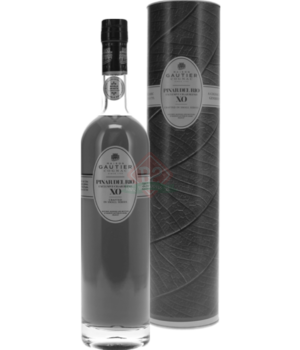
Gautier Pinar Del Rio XO Cigar Blend
Temporarily sold out
Expected: 30/10/2026Gautier Pinar Del Rio XO Cigar Blend is a French cognac with a name that immediately sets a very specific tone. Rather than presenting itself as a general XO, it places the focus on the world of cigars and on a slower, more contemplative drinking moment.
Bottled at 41.2%, it sits just above the more usual strength often seen in the category, giving this release its own place within the XO style. At Drankenshop Broekmans, we would introduce it as a cognac for someone looking for a clearly positioned after-dinner bottle with a refined, cigar-oriented identity.
The references in the name do much of the storytelling: Gautier, XO, Pinar Del Rio and Cigar Blend together create a cognac that feels deliberately composed around atmosphere and occasion.
Gautier Tradition Rare
350360° view available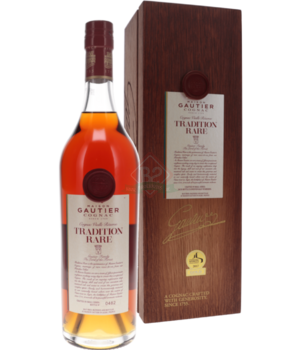
Gautier Tradition Rare
Only 2 left in stock!
Gautier Tradition Rare is a French cognac with a deliberately classic feel. The name itself points toward tradition and rarity, without relying on a long technical backstory. What stands out from the available information is its clear French origin, the Gautier name and a bottling strength of 41.2%.
At Drankenshop Broekmans, this cognac sits well among selections for customers who appreciate a straightforward, house-led introduction to cognac. Tradition Rare is the kind of bottle where the focus remains on the Gautier identity and the traditional French cognac setting suggested by its name.
No specific tasting notes are provided for Gautier Tradition Rare. For that reason, we do not add aromas, flavours or finish details that are not supported by the supplied (…)Gautier VS Incl. Box
43360° view available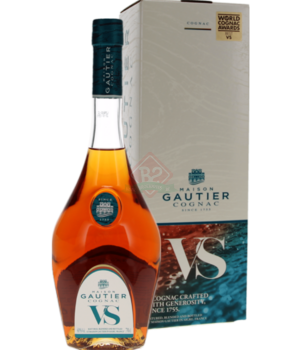
Gautier VS Incl. Box
Only 2 left in stock!
Gautier VS is a French cognac from Gautier, bottled at 40% alcohol. With the VS designation clearly present in the name, it comes across as a straightforward and recognisable choice within the cognac category.
At Drankenshop Broekmans, this is the kind of bottle we would point out to customers looking specifically for a Gautier cognac without needing a long technical explanation. The essentials are clear: French cognac, the Gautier name, and a classic 40% bottling strength.
No specific tasting notes are provided for Gautier VS. For that reason, no aromas, flavours or finish are described beyond the available product information.
Frequently asked questions
Answers to the most frequently asked questions about cognac
What is cognac?
Cognac is a French brandy made from white grapes and may only come from the Cognac region in France. It is double-distilled and then aged in oak barrels.
What is armagnac?
Armagnac comes from the Armagnac region, also in south-western France. Armagnac production began in the 14th century, making it the oldest brandy in France.
Like Cognac, Armagnac is made from white grapes, but here different grape varieties are often used, such as Folle Blanche, Colombard and Baco Blanc. The main difference is in the distillation process: Armagnac is distilled in a continuous distillation column, resulting in a richer and more complex eau-de-vie with a higher alcohol content. After distillation, Armagnac matures in oak barrels. Armagnac is thus distilled once unlike cognac which is distilled twice at a lower temperature and has a higher alcohol content.
Armagnac has a more robust and powerful flavour profile than Cognac, with pronounced notes of dried fruits, plums, vanilla, and leather. Due to the single distillation, it retains more of the original grape flavours.
What is calvados?
Calvados originates from the region of Normandy in northern France. It has a long history dating back to the 16th century, and it is often considered a symbol of Norman culture.
Calvados is made from apples (and sometimes pears), unlike grapes for Cognac and Armagnac. The apples are pressed to make cider, which is then distilled. Distillation can take place once or twice, depending on the appellation. As with the other two drinks, the eau-de-vie then matures in oak barrels.
Calvados has a fresh and fruity character, with distinct apple and sometimes pear-like notes. After ageing, more complex flavours can develop, such as butterscotch, spices and nuts.
What is brandy?
Brandy is the general collective name for cognac, armagnac and calvados, among others. All three are French spirits, but the main differences are seen geographically and in the use of raw materials.
What is sherry?
Sherry is a fortified wine from southern Spain, more specifically around the city of Jerez de la Frontera in the region of Andalusia. The special feature of sherry is that wine alcohol is added during or after fermentation, increasing the alcohol content (usually around 15-20%) and also making the wine last longer.
There are different styles of sherry, each with its own character. Fino, for example, is light, dry and fresh (often with hints of almond and bread dough), while Oloroso is just richer, darker and nutty due to oxidative ageing. Amontillado is a bit in between: fresh under flor at first, then more complex through oxidation. On the sweet side, you have, for example, Pedro Ximénez (PX), an intensely sweet, syrupy sherry with flavours of sultanas and caramel.
Sherry is often underrated, but it is enormously versatile: from a fresh aperitif to a perfect companion with tapas, cheeses or even desserts. So it is not an "old people's drink", but just one of the most diverse and gourmet wine styles around.
What is Pineau Des Charentes?
Pineau des Charentes is a fortified wine from the Charente region in southwestern France, the same area known for its cognac production. It is not a wine in the traditional sense, but a mistelle-adrink made by mixing fresh grape juice with cognac. This combination stops fermentation, preserving the natural sweetness of the grape juice and giving the drink its distinctive sweet, rich and aromatic profile.
Pineau des Charentes is available in both white and red varieties. White Pineau is made from white grape varieties such as Ugni Blanc, Colombard and Folle Blanche, while the red variant derives its deep colour and fruity aromas from grapes such as Merlot and Cabernet Franc. It has a unique flavour that is not directly comparable to other drinks, but it does share characteristics with some well-known fortified wines:
- Port: Like port, Pineau is sweet and fortified, but Pineau tends to be lighter and fruitier.
- Sherry (Pedro Ximénez or Amontillado): White Pineau sometimes has the honeyed sweetness of PX sherry, but with a fresher touch.
- Madeira: Due to aging in oak, Pineau shares certain nutty and caramel-like notes with madeira.
- Muscat de Beaumes-de-Venise: For those who like sweet dessert wines with floral and fruity aromas, Pineau is an excellent alternative.
What do VS, VSOP and XO mean?
These are age indications for the youngest eau-de-vie in the blend. The older, the more complex and softer the flavour usually becomes.
-
VS (Very Special): aged for a minimum of 2 years
-
VSOP (Very Superior Old Pale): aged for a minimum of 4 years
-
XO (Extra Old): aged for a minimum of 10 years (used to be 6 years)
These age designations are officially regulated by the appellation. This is not the case with rum, for example, in most cases.
What is the difference between cognac, brandy, armagnac and calvados?
Brandy is the general collective name for cognac, armagnac and calvados, among others. All three are French spirits, but the main differences are seen geographically and in the use of raw materials.
Cognac must come from the Cognac region and be made from specific grapes. Armagnac, in turn, comes from the Armagnac region in south-western France and is also made from grapes. Finally, Calvados comes from the Calvados region in Normandy and, unlike the other two, is made from apples and pears.
There are also differences in terms of distillation and maturation: Cognac uses double distillation in alambics, Armagnac a single continuous distillation, and Calvados can undergo both single and double distillation. Cognac and Calvados must be aged for a minimum of two years, while for Armagnac it is at least one year.
How do you drink cognac?
There are several ways to enjoy cognac. Traditionally, it is drunk at room temperature from a tulip-shaped glass such as a snifter. With an ice cube, the aromas become less heavy and even in cocktails, cognac is on the rise.
Does cognac get even better in the bottle?
No, like most spirits, cognac also matures solely in the barrel. Once the cognac is bottled, the ageing also stops. So an old bottle of cognac does not automatically improve with age.
How long can an opened bottle of cognac keep?
An opened bottle of cognac undergoes the same process as other spirits. Usually, you can keep an opened bottle for a very long time, up to several years. But cognac can also be subject to oxidation, a natural process that is started and intensified as soon as there is too much air/oxygen in the bottle in relation to the spirit. To avoid this, it is best to transfer the cognac into a smaller, airtight bottle or fill the bottle with marbles to reduce the proportion of air in the bottle. Never use glass decanters with glass stoppers, as these do not seal airtight and therefore do not prevent the oxidation process.
Which grapes are used for cognac?
The main grape variety is Ugni Blanc. This is by far the most commonly used grape variety for cognac, and produces a fresh, acidic wine that is ideal for distilling. In addition, cognac can also be made from the Folle Blanche and Colombard grape varieties.
Where can I buy cognac?
You can even buy cognac in supermarkets these days. But if you are looking for a good cognac, one that is tasty, qualitative and layered, then Drankenshop Broekmans is the place to be. In our range, you will find more than 200 different cognacs in all possible price categories, from a basic "everyday cognac" to the most exclusive eau-de-vie.

