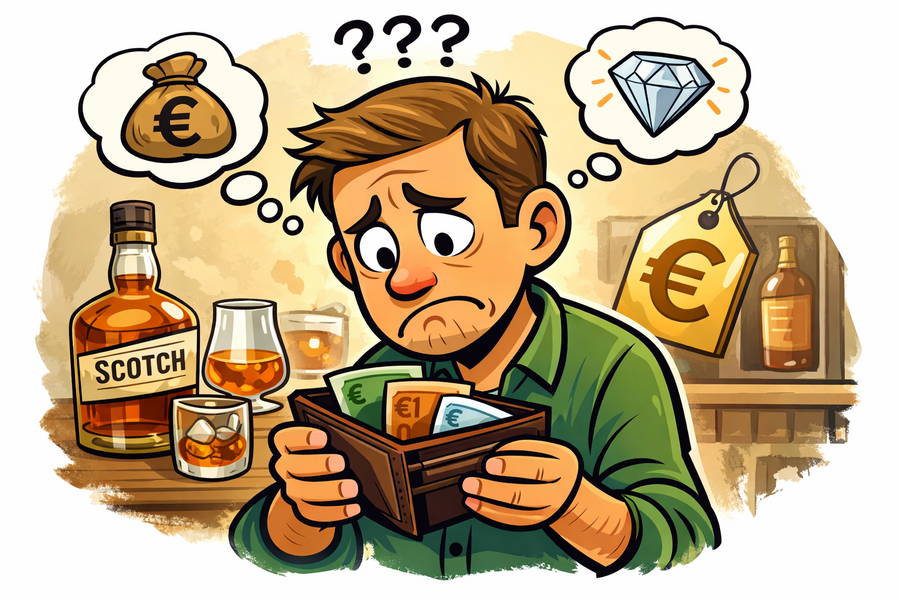
Many people assume that a more expensive bottle of Scotch whisky is automatically better. It sounds logical: the higher the price, the better the quality. But in reality, the difference between a bottle of a few tens and one worth thousands of euros is rarely purely in the taste. What you pay has much more to do with age, scarcity, marketing and reputation than with what you actually taste in your glass.
To understand this properly, it helps to look at Scotch in different "levels". Each level tells you something about what you are drinking and, more importantly, what you are paying for, but not every epicurean goes through all these levels.
This blog was inspired by the Youtube video The 7 Levels Of Scotch by the channel @BottledVerdict. If you find this blog interesting and want to discover much more information about the different levels in Scotch whisky, be sure to watch this video on Youtube. At the bottom of this blog, you will once again find the link to the video, the channel itself and an embedded video player.
Level 1 - Entry level blended Scotch
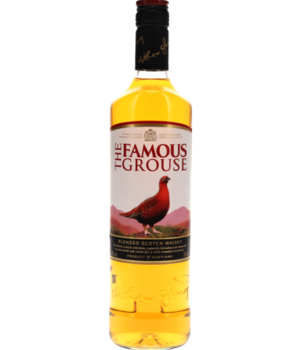
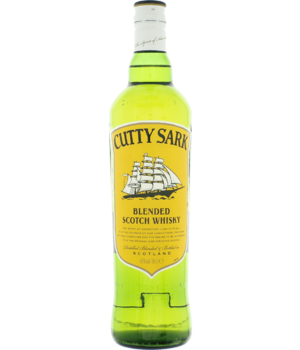
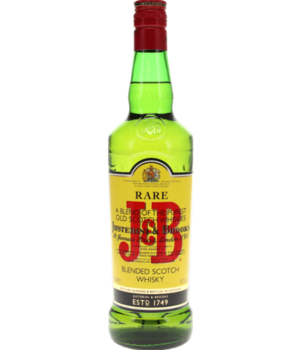
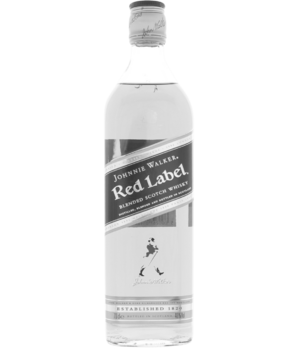
For most people, everything starts with blended Scotch. These are whiskies composed of different malt whiskies, supplemented by lighter grain whiskies. The goal is not complexity but consistency: a bottle of Johnnie Walker Red Label tastes exactly the same all over the world, and that is no coincidence.
These whiskies are deliberately made for mixing: in a highball, they come out perfectly. If you drink them pure, you will probably start to wonder "what all the fuzz is about". You will often perceive this kind of whisky as flat or sharp, but realise that in that case you are not actually drinking them as they are meant to be.
Level 2 - Premium Blended Scotch Whisky
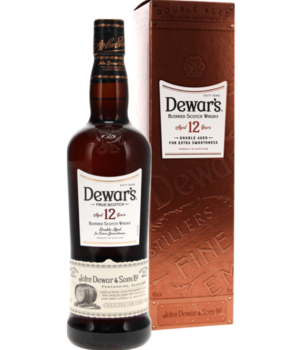
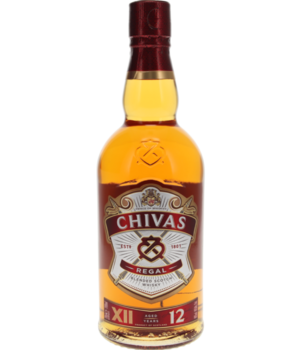
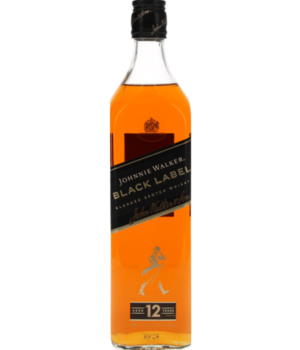
One step up you get to the premium blends. Here the ratio becomes different: more malt, less grain, and often you will also see an age indication appear on the bottle. Whiskies like Johnnie Walker Black Label or Chivas Regal 12 are softer, rounder and do lend themselves to drinking pure.
Yet the real added value is not only in the age, but mainly in the quality of the whiskies used: after all, here you are drinking a carefully compiled selection of different distilleries - a kind of "best of Scotland" in one glass.
Level 3 - From blend to single malt
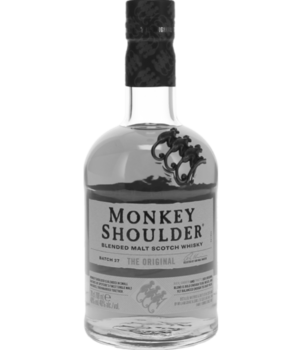
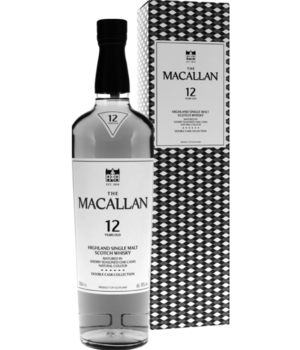
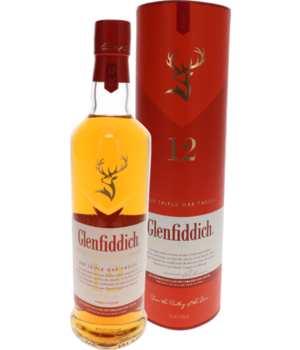
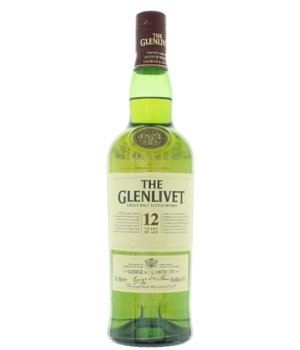
From the moment you reach for single malts, the experience changes completely. A single malt comes from one distillery and is made from only malted barley. So what you taste is not a blend, but the character of one specific place.
Classics like Glenfiddich 12 and Glenlivet 12 are deliberately made accessible: light, fruity and often matured in bourbon casks that give soft notes of vanilla and honey.
Many beginners underestimate these bottles because they are "only" 12 years old, but a 12-year-old whisky is the foundation of everything for a distillery: those who can't create a good 12y can also shake it for older expressions. A distillery's reputation often hinges on the 12-year-old expression they produce.
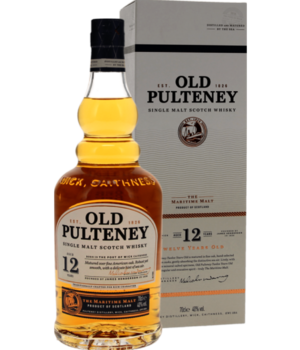
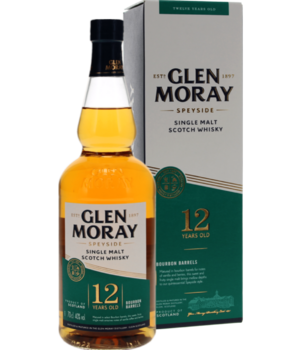
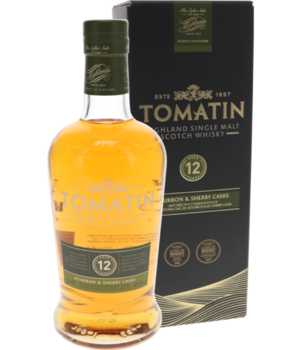

Level 4 - Regional differences: from a fruity Speyside to a smoky Islay
Going further, one discovers that region plays a huge role in flavour. Scotch whisky is defined not only by age or type, but also by where it is made.
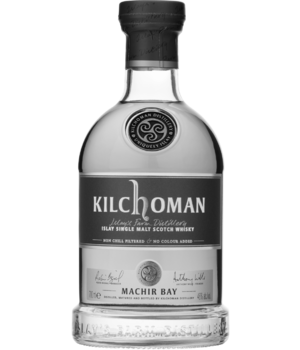
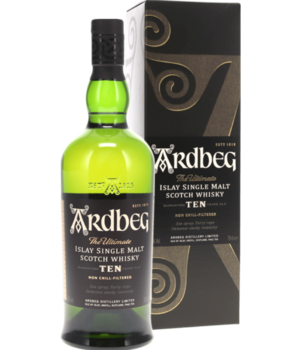
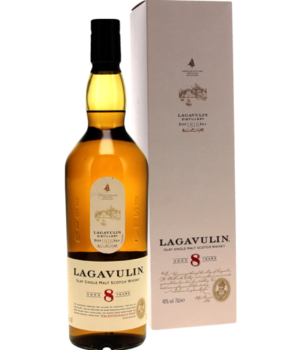
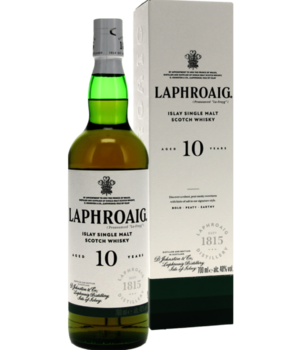
In Speyside, you often find elegant, fruity whiskies while the Highlands offer a broad spectrum from light and fresh to rich and powerful. And on Islay, it gets really pronounced: smoky, salty whiskies with notes of peat, sea and even a slight medicinal character.
This is the point where whisky becomes truly personal. Names like Ardbeg, Laphroaig or Lagavulin are loved by fans but just a little too intense for others.
Level 5 - Age isn't just a number
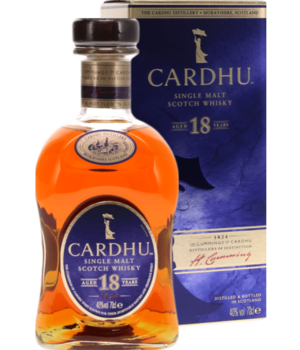
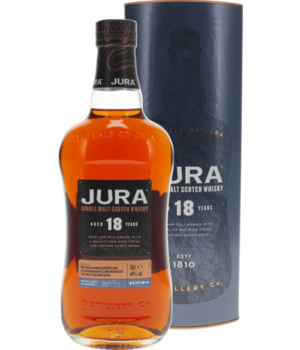
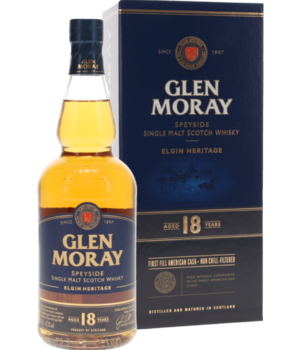
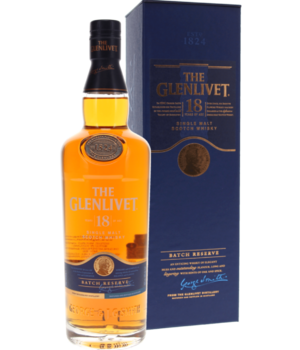
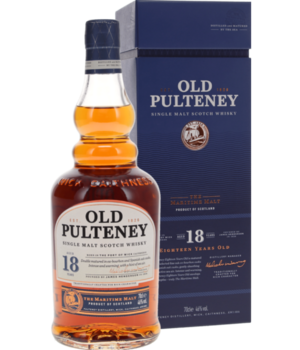
Then there are the older whiskies, from 18 years and above. Here you pay not only for flavour, but also for time and for evaporation.
As a whisky matures, every year a part of its contents evaporates. That particle is called the "angel's share" and after 18 years, that loss can reach more than 30 per cent, and in a 25-year-old whisky that loss can even reach 40 per cent. That evaporation plays a bigger role in the pricing of such an older whisky than many people would initially think or expect.
Despite that longer maturation, the difference from younger whiskies is often more subtle than many people expect. Without a practised palate, it is difficult for many people to recognise the difference between a well-made 15-year-old whisky and 18-year-old whisky in a blind tasting. So it's important to be especially honest with yourself.
Level 6 - Cask Strength whisky
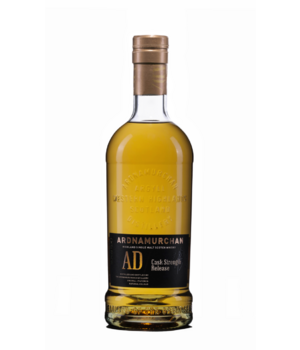
For those who want to go one step further, there are cask-strength whiskies. These are bottled straight from the cask, without dilution, and are often between 55 and 65% alcohol.
Cask Strength whiskies are more powerful, intense and offer more depth, but they also require some experience to really appreciate.
Also in this level are the "Limited Editions". At this level, marketing and scarcity also start to play a bigger role. After all, a "limited edition" sounds attractive but it is not automatically better.
Level 7 - Collectors
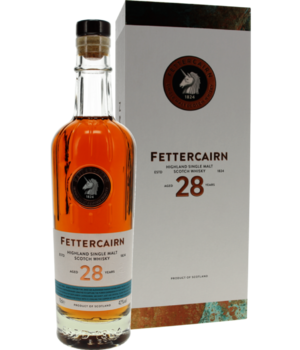
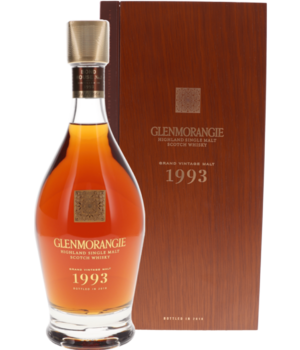
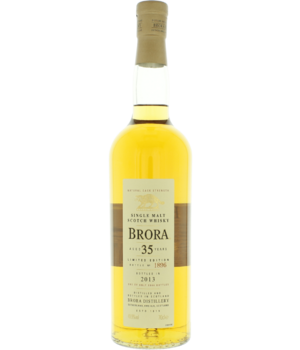
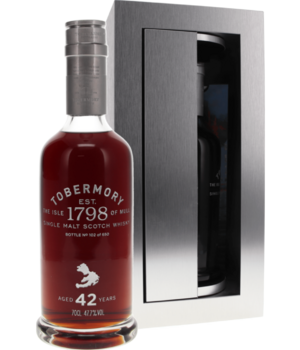
At the very top are the rare and collectible bottles. Think of old editions of The Macallan selling for astronomical amounts, or whiskies from closed distilleries.
At this point, they are hardly even about drinking: they are investments, status symbols, and sometimes even a kind of pension in liquid form. Many of these bottles are never even opened.
Prices for these kinds of collectible whiskies are all over the place, ranging from several hundred to several thousand euros.
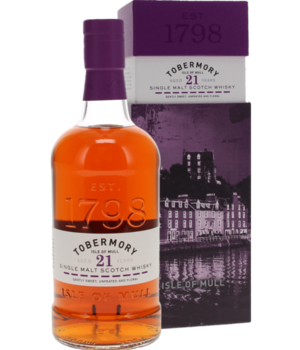
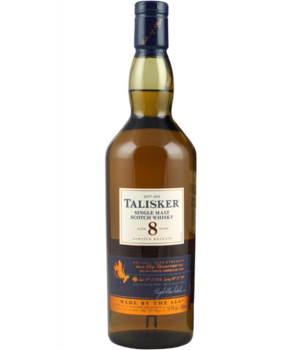
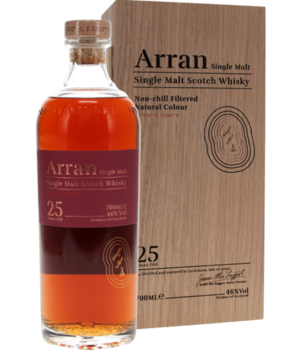

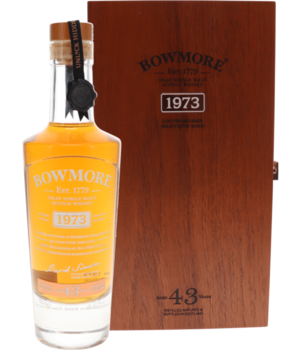
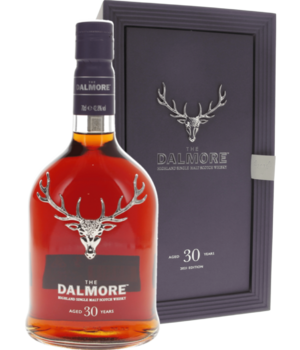
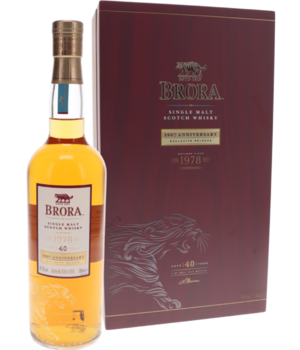
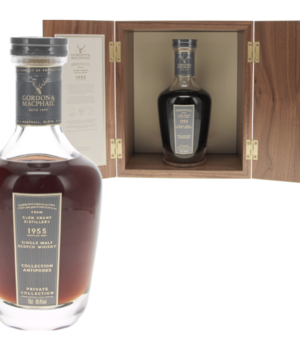
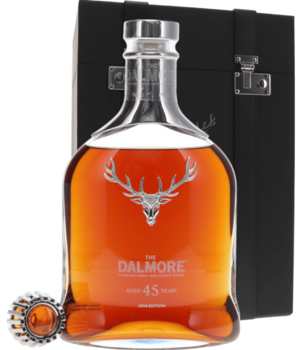
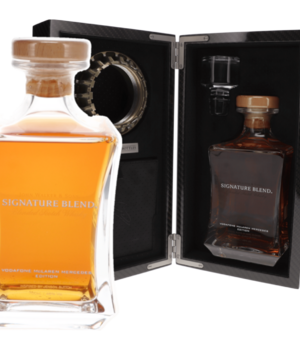
For the average whisky lover, the real sweet spot lies somewhere in the middle. Between entry-level single malts and the better, slightly older expressions, you will find the best balance between price and quality. There you will discover flavours, regions and styles - without paying for prestige or rarity.
In the end, one rule remains true: the best whisky is the one you actually drink. Anything above that is nice... or just expensive decoration.
This blog was inspired by the Youtube video The 7 Levels Of Scotch by the channel @BottledVerdict. If you found this blog interesting and would like a lot more information about the different levels in Scotch, be sure to watch the video on Youtube.
Unfortunately, you have not accepted the cookies for displaying external content. Do you still want to know what can be seen here? Then adjust your preferences in our cookie statement.

Blogger
The text you've just read was (partially) created with the help of ChatGPT . Although every story we write is thoroughly proofread and corrected with the help of ChatGPT, it can always happen that an error has crept in here and there that you, as a seasoned connoisseur, do not agree with.
Therefore, if after reading this blog you do not agree with certain statements that are put forward, please do not hesitate to let us know via service@broekmans.be so that we can further edit this text.
It is a conscious decision to explicitly mention that this blog article was written with the help of AI, as nothing is more valuable than the work, preparations and efforts made by "real" bloggers when they publish blog articles on our webshop (or elsewhere) that are not supported by AI.