


Whisky
Please note: stock and availability in our store may vary! More info
Kilkerran 12y 2026
65360° view available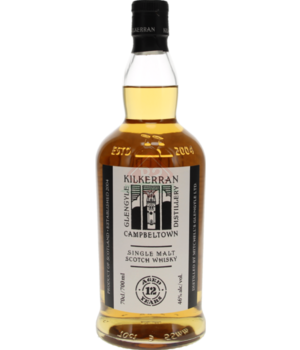

Kilkerran 12y 2026
In stock
Kilkerran 12y 2026 is a Campbeltown single malt from Glengyle with a background that gives the whisky real context. The distillery reopened in 2004 after being closed for more than 80 years, so this 12-year-old release sits within the modern return of Campbeltown whisky rather than feeling like just another age-stated malt.
At Drankenshop Broekmans, we value this bottle for the way it brings together provenance and drinkability. It is lightly peated, bottled at 46%, and matured in a combination of 70% bourbon casks and 30% sherry casks. That balance supports the fruit, vanilla and honeyed side of the whisky, while the sherry component adds a deeper fruitcake-like accent.
It has become a familiar name for many whisky drinkers because it carries a clear (…)Longrow 2026
55360° view available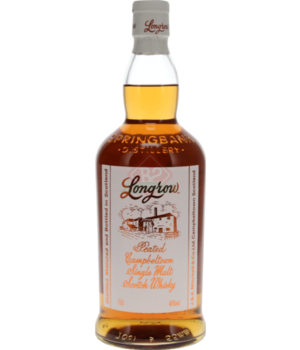
Longrow 2026
In stock
Longrow 2026 is a Campbeltown single malt with a clear peated side, yet its smoke never takes over the whole conversation. Longrow was first distilled in 1973 and has been produced annually since 1990, giving the name a distinct identity within Scottish whisky.
The character starts with the malted barley, dried for 48 hours over a peat fire, followed by double distillation. That gives the whisky its smoky foundation, while the style remains creamy, layered and approachable in its own firm way. At Drankenshop Broekmans, this is the kind of Longrow we like to introduce when someone wants peat with shape and detail rather than simple heaviness.
Bottled at 46%, Longrow 2026 has enough presence to carry its smoke, ripe fruit, spice and gentle salty edge with (…)Amrut Fusion Tube Incl.
39360° view available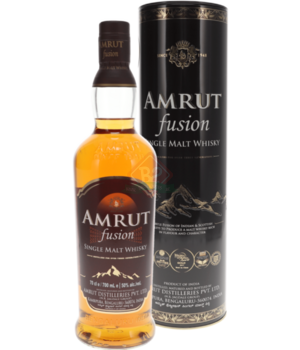
Amrut Fusion Tube Incl.
In stock
Amrut Fusion is an Indian single malt whisky with a clear sense of identity. At Drankenshop Broekmans, it is the kind of bottle we would point out to someone who enjoys single malt but wants to explore beyond the most familiar whisky regions.
Bottled at 50%, it has enough strength to carry its profile with confidence. There is no age statement here, so the focus shifts away from numbers and towards style: oak cask maturation, a light woody touch, gentle spice, fruit and a subtle peated note all playing a part.
Its appeal lies in that directness. Amrut Fusion feels distinctive without becoming complicated, and its steady popularity says a lot about how well this Indian single malt connects with curious whisky drinkers.
On tasting, Amrut Fusion (…)Nikka Coffey Malt Incl. Box
98360° view available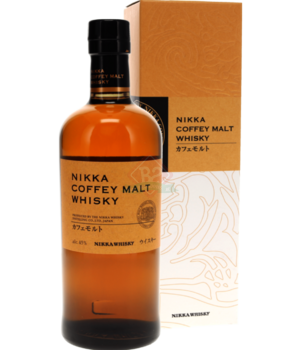
Nikka Coffey Malt Incl. Box
| 1 review
In stockNikka Coffey Malt is a Japanese whisky built around an unusual idea: it is made from 100% malted barley, yet distilled in a Coffey still. For that reason it is not classified as a single malt, even though malted barley is at its core. That distinction is exactly what makes it fascinating, because it shows how much the still itself can shape the personality of a whisky.
The Coffey still is central to Nikka's story. Patented by Aeneas Coffey in 1830, this continuous still was something Masataka Taketsuru learned to work with during his 1919 training under James Calder at Bo'Ness Distillery. Convinced by its advantages, he later installed two Coffey stills when building Nikka. Coffey Malt was released in 2013 as part of an ongoing search for new flavour profiles and as a way (…)Nikka From The Barrel 50cl Incl. Box
61360° view available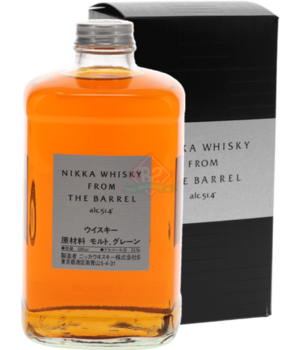
Nikka From The Barrel 50cl Incl. Box
In stock
Nikka From The Barrel is one of those Japanese whiskies that makes an impression before the bottle is even opened. Its compact, instantly recognisable bottle has become closely linked with one of the great classics of Japanese blended whisky, and the whisky itself has the same confident identity.
The blend brings together whiskies from sherry casks, bourbon casks, re-charred bourbon casks and new casks. In the hands of Nikka's Master Blender, those different cask influences are shaped into a powerful and layered whisky. At 51.4% and bottled at cask strength, it carries a real sense of concentration.
At Drankenshop Broekmans, this is a bottle we often reach for when someone wants Japanese whisky with more drive and depth. It has fruit, spice and intensity, but (…)Glengoyne 12y Incl. Box
22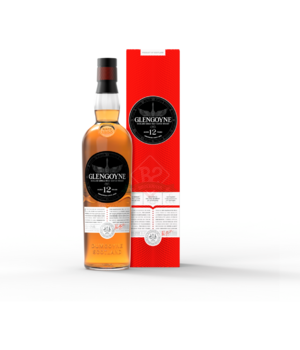
Glengoyne 12y Incl. Box
In stock
Glengoyne 12y is a Highland single malt with a clear sense of style. It is built around a fine balance between richer depth and bright citrus freshness, rather than smoke or heavy wood influence.
Twelve years in oak casks give it a soft foundation, while the flavour direction remains very recognisable: caramelised apple, ginger, shortbread and a delicate touch of spice. It feels warm and inviting, but with enough freshness to keep the whisky lively.
At Drankenshop Broekmans, we see this as a dependable choice for anyone looking for a Scottish single malt with character, clarity and an approachable rhythm. The 43% alcohol strength gives it structure without making it feel forceful.
The aroma opens with coconut oil, honey, lemon peel and dried (…)Nikka Coffey Grain Incl. Box
40360° view available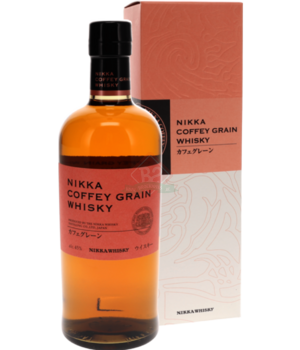
Nikka Coffey Grain Incl. Box
In stock
Nikka Coffey Grain is a Japanese grain whisky with a clear sense of style: no age statement, no peat-driven profile, but a fruit-led character supported by a noticeable oak influence.
At Drankenshop Broekmans, this is the kind of whisky we often point to when someone wants to explore Japanese whisky through a softer, more open expression. At 45% alcohol, it has enough weight to feel complete, while staying approachable in its overall impression.
The oak cask maturation gives the whisky structure, with gentle spice playing a supporting role rather than taking over. What remains is a clean, inviting Nikka whisky where fruit and wood form the main conversation.
The flavour leans clearly toward fruit and oak, with a light touch of spice adding (…)Nikka Super Incl. Box
66360° view available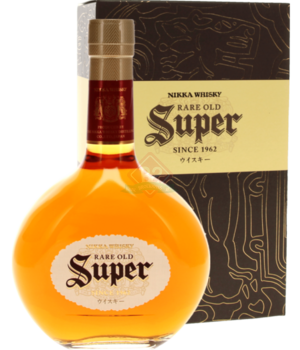
Nikka Super Incl. Box
In stock
Nikka Super is a Japanese blended whisky from Nikka, bottled at 43%. At Drankenshop Broekmans, it stands out as a calm and approachable introduction to Nikka's whisky style, especially for drinkers looking for a Japanese blend without a peated profile.
The character is built around gentle fruitiness and a modest spicy accent. Oak cask maturation is part of the whisky's make-up, yet the supplied profile points more toward restraint and clarity than heavy wood influence.
For anyone exploring Japanese blended whisky through Nikka, Nikka Super offers a measured, quietly expressive style with enough strength to remain present in the glass.
On the palate, Nikka Super stays on the lighter side, with gentle fruity tones and a soft spicy touch adding (…)Pig's Nose 5y Incl. Box
28360° view available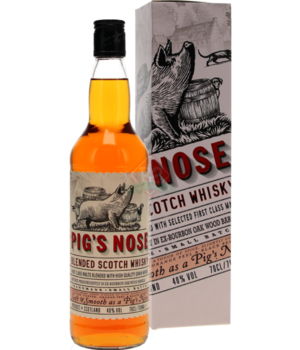
Pig's Nose 5y Incl. Box
In stock
Pig's Nose 5y is a Scottish blended whisky with an easy-going, straightforward personality. The name is memorable, but the whisky itself keeps things clear: a 5-year-old Scotch blend, bottled at 40%, with a style that stays approachable rather than forceful.
Oak cask maturation gives it a gentle woody side, while the profile brings light fruity, floral and spicy touches into the mix. Peat and salty notes are not part of its character, so the emphasis falls on a softer, uncomplicated blended Scotch style.
At Drankenshop Broekmans, Pig's Nose 5y has its place among Scottish blends for customers looking for whisky without heavy smoke or sharp edges, yet still with enough character to feel recognisably Scotch.
The flavour is light and even, (…)Amrut Tube Incl.
25360° view available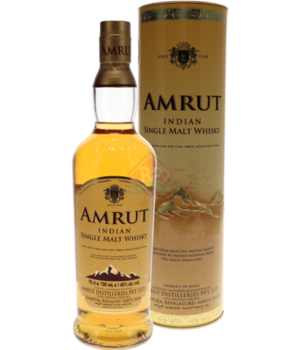
Amrut Tube Incl.
Only 2 left in stock!
Amrut is presented here as an Indian single malt whisky bottled at 46%, without an age statement. Rather than building its identity around years in cask, it puts the focus on style: a clear fruity and spiced character, supported by a lighter touch of oak influence.
At Drankenshop Broekmans, this is the kind of whisky that naturally catches the eye of drinkers looking beyond the most familiar single malt origins. It remains recognisably single malt, yet its Indian origin and fruit-and-spice driven profile give it a distinct place on the shelf.
The flavour profile is led by fruit and spice, with oak playing a more restrained supporting role. A light floral note sits in the background. There is no pronounced peaty or salty direction, keeping the emphasis firmly (…)Glengoyne 12y + 1 Glass Incl. Box
63360° view available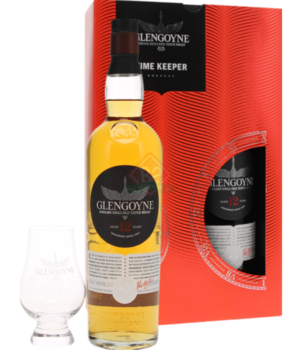
Glengoyne 12y + 1 Glass Incl. Box
| 1 review
In stockGlengoyne 12y + 1 Glas brings the 12-year-old Highland single malt in a gift pack with a glass. Its character is built around a pleasing contrast: rich, rounded notes of caramelised apple and shortbread on one side, citrus freshness and ginger on the other.
At Drankenshop Broekmans, this is the kind of presentation that makes sense when someone is looking for a well-made single malt with an accessible story and a proper gift feel. The whisky itself remains the focus: 12 years old, bottled at 43%, with fruit clearly at the centre and soft oak and spice giving it structure.
The included glass adds to the appeal of the pack, while the whisky offers a calm Highland style shaped by apple, orange, lemon zest, gentle spice and a smooth oak finish.
The (…)Big Peat 12y (Douglas Laing) Tube Incl.
65360° view available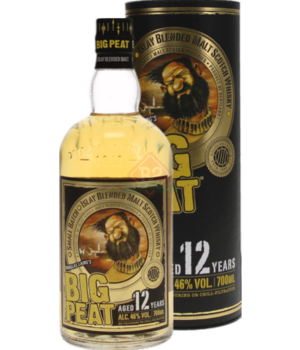
Big Peat 12y (Douglas Laing) Tube Incl.
In stock
Big Peat 12y takes the familiar Big Peat story into a more mature register. This Islay blended malt is bottled by Douglas Laing as part of the Regional Malts range, a series built around clear, classic expressions of Scotland's whisky regions.
With Big Peat, that regional identity is unmistakably Islay: peat, maritime salinity, smoke, charred oak and darker ashy tones. The 12 years of age give the whisky more depth and cohesion, while keeping the bold coastal character that defines the name.
At Drankenshop Broekmans, we see this as a natural step for anyone who enjoys the original Big Peat and wants to taste what extra maturation brings to that same robust style. Bottled at 46%, without added colouring and without chill filtration, it keeps its presentation (…)Laphroaig 10y Incl. Box
21360° view available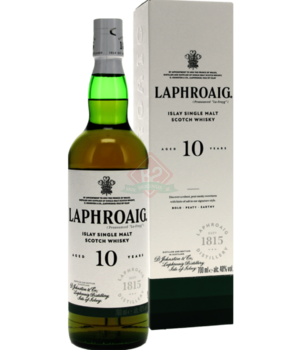
Laphroaig 10y Incl. Box
In stock
Laphroaig 10y is a Scottish single malt from Islay with a very clear sense of identity. Its character is built around pronounced peat smoke and a strong salty impression, giving it the kind of profile that stands apart from softer whisky styles.
Ten years of maturation in oak casks add a firm woody backbone, while the peat and salinity remain at the centre of the experience. A light touch of spice gives the whisky some extra definition without taking attention away from its smoky Islay core.
At Drankenshop Broekmans, we see Laphroaig 10y as a whisky for drinkers who deliberately look for a bold Islay single malt: smoky, saline and unmistakably direct in character.
Additional information about the brand can be found at (…)Chivas Regal 12y
14360° view available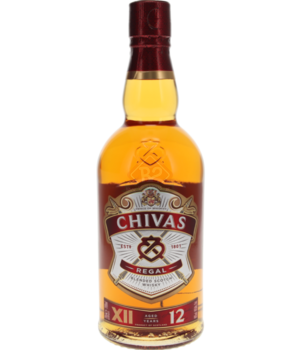
Chivas Regal 12y
In stock
Chivas Regal 12y is a Scottish blended whisky carrying a 12-year age statement. It sits firmly in the classic blended Scotch tradition, where maturation and blending are more important than bold extremes.
The available profile points towards a gentle style, with light fruity and floral elements. There is no emphasis on peat, saltiness or pronounced spice, so the overall impression is calm, polished and approachable rather than forceful.
At Drankenshop Broekmans, Chivas Regal 12y fits well among the Scottish blends for customers looking for a recognised aged whisky with a composed and elegant feel.
Additional information about the brand can be found at https://www.chivas.com/
The flavour profile suggests a gentle Scotch blend with (…)Talisker 10y Incl. Box
19360° view available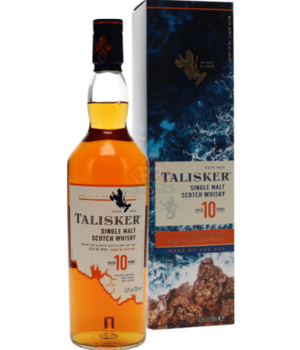
Talisker 10y Incl. Box
In stock
Talisker 10y is a Scottish single malt from Skye with a clear sense of direction. Peat smoke, salinity and spice shape the whisky's character, while oak cask maturation and its 10-year age statement give it a measured foundation rather than an overly woody profile.
At 45.8%, it carries enough strength to support that assertive style. The fruit and wood elements sit more in the background, adding detail without softening the whisky's smoky, salty and spicy core.
In the whisky selection at Drankenshop Broekmans, this is the kind of bottle we introduce when someone is looking for a Scotch single malt with a more pronounced personality. It is direct, recognisable and built around a profile that does not try to be neutral.
Talisker 10y is shaped (…)Isle Of Skye 12y
45360° view available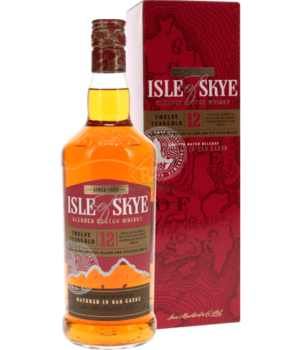
Isle Of Skye 12y
In stock
Isle Of Skye 12y captures the contrast suggested by its island origin: a touch of maritime ruggedness, softened by a calm and approachable style. This 12-year-old Scottish blend brings together Highland-like sweetness with a gentle coastal note from Skye.
Oak cask maturation gives it a rounded base, while the fruit remains clearly present. The peat is light rather than forceful, adding a maritime accent instead of taking over the glass. That makes the whisky easy to understand, yet still recognisably shaped by its island character.
At Drankenshop Broekmans, Isle Of Skye 12y sits comfortably among Scottish whiskies for drinkers who want softness and fruit, but also a little sea air and character. It is a relaxed dram, well suited to those moments when you want (…)Dalwhinnie 15y Incl. Box
4360° view available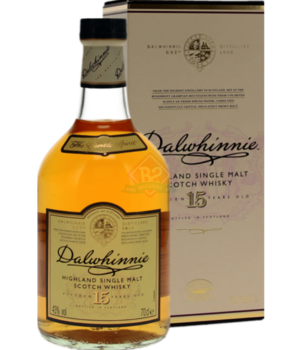
Dalwhinnie 15y Incl. Box
In stock
Dalwhinnie 15y is a Highland single malt Scotch whisky bottled at 43% ABV. With 15 years of ageing in oak casks, it has the maturity one looks for in an age-stated malt, while keeping the emphasis away from heavy wood influence.
Its profile is led by fruit, with gentle floral and spicy touches adding detail around it. Peat smoke and salty notes are not part of the main impression, so the whisky reads more as a clean, composed Highland malt than as a bold or smoky style.
At Drankenshop Broekmans, Dalwhinnie 15y sits naturally among single malts for customers who appreciate a well-aged Scotch with a clear fruity direction and a calm, refined structure.
The flavour profile is mainly fruit-driven, supported by light floral notes and a gentle touch (…)Kavalan Incl. Box
32
Kavalan Incl. Box
In stock
Kavalan is the first reference ever released by the distillery, so it serves as a direct introduction to the house style of this Taiwanese single malt. Rather than building its identity around an age statement, it presents Kavalan through aroma, fruit and a distinctly exotic tone.
The setting behind the whisky matters here. The distillery points to the fresh air of north-eastern Taiwan and the pure water from the Hsuehshan mountains as key influences on its character. That comes through in a whisky where fruit, perfume and gentle spice are more central than smoke or heaviness.
At Drankenshop Broekmans, we see this as a clear starting point for anyone wanting to understand Kavalan: approachable in strength, expressive in aroma and unmistakably shaped by its (…)Famous Grouse 1l
2360° view available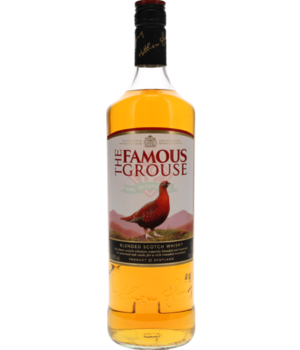
Famous Grouse 1l
Last one in stock!
Famous Grouse 1l is a Scottish blended whisky with a familiar, practical character. The one-litre bottle makes sense for anyone who likes to keep a straightforward Scotch at home, especially when the preference is for a whisky that does not lean into peat, saltiness or heavy oak influence.
At Drankenshop Broekmans, we see this Famous Grouse as a classic example of an approachable Scottish blend: 40% alcohol, matured in oak casks, with the available flavour profile pointing towards light fruit, gentle spice and a subtle floral touch. Nothing in the supplied profile suggests a smoky or coastal style, so the impression remains clean and easy to understand.
Its popularity is easy to place in that context. This is a whisky built around familiarity and balance of (…)Johnny Cree Single Malt
28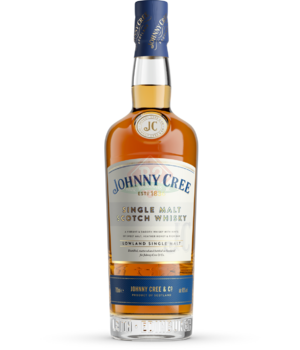
Johnny Cree Single Malt
In stock
Johnny Cree Single Malt is a Scottish single malt from the Lowland region, made at Bonnington Distillery. It carries no age statement, yet its identity is clearly shaped by a sweet, malty style and by a thoughtful mix of cask influences.
Maturation takes place in a combination led by bourbon casks, alongside virgin American oak and a smaller proportion of red wine casks. That gives the whisky its inviting line of honey, caramel, ripe red fruit, oak and gentle spice, without peat smoke or salty notes taking the lead.
At Drankenshop Broekmans, this is the kind of single malt we would introduce to customers looking for a Scottish whisky with fruit, sweetness and a touch of oak structure rather than a smoky profile.
The aroma opens with rich notes (…)Glenlivet 12y
21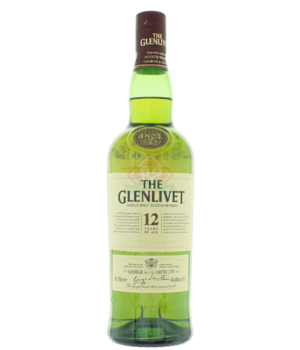
Glenlivet 12y
In stock
Glenlivet 12y is a Scottish single malt from Speyside with a clear, gentle style. Its 12 years of maturation in oak casks give it a composed foundation, while the overall impression remains light rather than heavy, with no emphasis on peat smoke, saltiness or spice.
At Drankenshop Broekmans, we see this as a Speyside whisky for customers who appreciate a softer single malt built around fruit, a touch of floral character and restrained oak. The wood is there to support the whisky, not to take over.
Bottled at 40%, Glenlivet 12y keeps its presentation approachable, yet still carries the quiet structure expected from a 12-year-old single malt.
Additional information about the brand can be found at https://www.theglenlivet.com/
The (…)Glenfarclas 10y Tube Incl.
22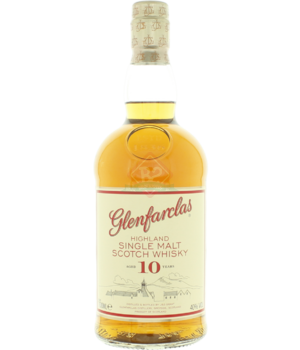
Glenfarclas 10y Tube Incl.
Only 2 left in stock!
Glenfarclas 10y is a Scottish Speyside single malt with a straightforward appeal: ten years of maturation in oak casks, bottled at 40%, and shaped by a gentle combination of fruit, light spice and soft wood influence.
At Drankenshop Broekmans, it sits comfortably among Speyside malts for drinkers looking for a non-peated style. The profile points away from smoke or salty notes and towards a calmer expression, where oak, spice and fruit share the stage without one element dominating.
The 10-year age statement gives this Glenfarclas a clear identity. It has the maturity of a properly aged malt, while keeping the presentation approachable and uncluttered. Its interest lies in that directness: Speyside single malt, oak maturation and a balanced flavour (…)Caol Ila 12y Incl. Box
4360° view available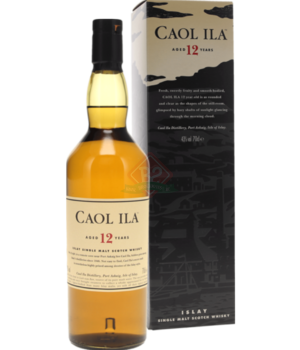
Caol Ila 12y Incl. Box
In stock
Caol Ila 12y is a Scottish single malt from Islay with a clearly peated identity. Matured for 12 years in oak casks and bottled at 43%, it sits firmly in the world of smoky island whisky.
Its character is built around peat, supported by a lighter salty edge and a modest fruity note. At Drankenshop Broekmans, we see this as a whisky for drinkers who want the Islay signature to be present and recognisable, without turning the description into unnecessary embellishment.
The 12-year age statement gives the whisky a clear sense of place and maturity. What matters here is the straightforward combination of single malt structure, Islay origin and a smoke-led profile.
The flavour profile is led clearly by peat. Lighter fruity and salty accents sit in (…)Green Spot Tube Incl.
4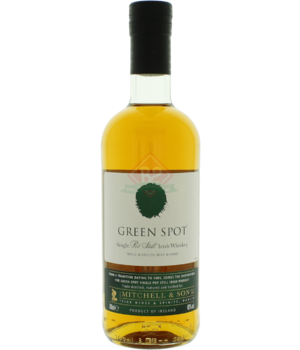
Green Spot Tube Incl.
In stock
Green Spot is an Irish pure pot still whiskey built around one of the defining features of the style: the use of unmalted barley. Every whiskey under the Green Spot label is triple distilled, giving it a clearly Irish identity without moving into smoky territory.
Its maturation takes place over 7 to 10 years in bourbon and sherry casks. The particularly interesting point here is the relatively high proportion of sherry cask maturation, something appreciated by drinkers who enjoy fruit, spice and gentle oak influence in their whiskey.
At Drankenshop Broekmans, Green Spot is the kind of bottle we like to present when someone wants to understand how lively and flavourful Irish pure pot still whiskey can be: creamy, fruit-led and subtly spicy.
Frequently asked questions
Answers to the most frequently asked questions about whisky
What is whisky?
Whisky is a distilled alcoholic beverage made from fermented grains (such as barley, corn, rye or wheat) and then aged in wooden casks, usually oak. The result is a complex drink with aromas that can range from fruity and floral to smoky, spicy or woody.
Generally speaking, a drink must meet the following basic requirements to be called whisky:
-
Made from grains
-
Fermented with yeast
-
Distilled to a maximum of ±94.8% alcohol (so that flavour is retained)
-
Matured in wooden casks
-
Bottled with a minimum of 40% alcohol
Which whisky is tasty?
Which whisky is good? Which whisky is good? The answer to these questions is so specific and so personal that we cannot possibly answer them for everyone. In our range of whisky you will find more than 3,000 bottlings, each with their own taste and profile, to objectively identify a universal "good whisky" is impossible.
You can look for the whisky you like in different ways. Either you start from whisky with a fairly flat and neutral flavour profile and expand and explore from there, but other enthusiasts prefer to start at the extremes to quickly discover what they absolutely do not like. We would not recommend that second approach, as whisky with a distinct character is often an "aqcuired taste", something you gradually work towards and often learn to develop an appreciation for as you build your palate.
Are you looking for a whisky for someone else and have no idea what they drink and what they like? If so, limit yourself to whisky with a light and balanced flavour profile. With most of our whisky, you will find a flavour profile where the whisky is rated from 0 to 3 on six basic pillars: peaty, spicy, salty, woody, floral and fruity. If you blindly buy a whisky for someone else, limit yourself to whisky where none of the six pillars slip through. If you do know what kind of whisky the lucky person drinks, then with a bit of luck, you can also find that whisky in our range and from there you can look for other whiskies that have a similar flavour profile.
Is whisky Scotch or Irish?
Both Scotland and Ireland claim the origins of whisky, and both countries have a rich history of distilling it. The earliest written mention of whisky comes from Ireland, from the 12th century. But Scotland has brought the art of whisky making to perfection and today is famous worldwide for its whiskies. Ultimately, whisky is both Scottish and Irish, each with its own unique traditions and flavours.
What is Scotch whisky?
In addition to the basic rules to speak of whisky, there are a number of additional conditions for Scotch whisky.
-
Must be wholly produced and matured in Scotland
-
Aged for at least 3 years in oak casks
-
Only water and caramel colour (E150a) may be added
Which Scottish regions are famous for their whisky?
Scotland is divided into a number of regions, each of which makes its own signature whisky. Exactly how many there are depends on how accurately you want to describe them.
On the Scottish mainland, we talk about
- Highland (Ben Nevis, Ardnamurchan, Edradour, ...)
- Lowland (Johnny Cree, Lochlea, Auchentoshan, ...)
- Campbeltown (Springbank, Kilkerran, Longrow, ...)
- Speyside (Benriach, Tomintoul, Glenglassaugh, ...)
As the first island, Islay is always mentioned separately. From Islay come mainly peated whiskies such as Bowmore, Port Ellen, Bruichladdich and Ardbeg.
You will also find a number of islands around Scotland, called the "Islands". Within that group, another distinction is often made between
- Isle of Arran
- Isle of Harris
- Jura
- Mull (Ledaig, Tobermory, ...)
- Orkney (Highland Park, Scapa, ...)
- Skye (Talisker, ...)
What is Irish whiskey?
To speak of Irish whiskey, the drink must meet a number of additional conditions.
-
Produced and matured in Ireland
-
Aged for at least 3 years in wooden casks
-
Often triple-distilled, but this is not compulsory
What is American whiskey?
American whiskey is also again subject to a number of specific rules, in addition to the basic guidelines to speak of whiskey.
For bourbon whiskey:
-
At least 51% corn in the grain mix
-
Matured in new charred oak barrels
-
Distilled to a maximum of 80% alcohol
-
In the barrel a maximum of 62.5% alcohol
-
No additives allowed (except water)
For rye whiskey, at least 51% rye must be used.
Tennessee whiskey follows the same guidelines as bourbon, but must be filtered through charcoal.
What is the difference between "whisky" and "whiskey"
The difference in terminology is related to the country of origin. In principle, "whiskey" is always referred to, except when spirits from the United States or Ireland are involved. In those countries, the term "whiskey" is consistently used.
What is the difference between single malt, blended and grain whisky?
Single malt whisky comes from a single distillery and is made exclusively from malted barley. These whiskies often have a distinct and characterful flavour profile. Blended whisky is a mix of different whiskies (both malt and grain) and tends to be softer and more approachable. Grain whisky is made from other grains such as corn or wheat and is often used in blends, but also exists as a separate bottling with a lighter style.
What is a "no age statement" whisky?
If a whisky is marked "NAS" or "No Age Statement", it means that no age is stated on the bottle.
When an age is mentioned on the bottle, it must, according to the rules, always be the youngest whisky in the blend and not the age that is most represented percentage-wise in the blend. A producer will therefore deliberately choose not to state an age on his bottle in two cases: when an old whisky is blended with a small proportion of younger whisky, or when young whisky is blended with a proportion of older whisky. In the first case, he does not want to put a young age on his bottle if his blend contains mainly older whisky, and in the second case, marketing-wise it is more interesting to go out with that particle of older whisky.
What is a "single cask" whisky?
A single cask means that the whisky in the bottle comes from only one cask and was not blended with another whisky from another cask. Because the content comes from a single cask, the number of bottles depends on the size of the cask and the evaporation of the product (the so-called Angel's Share), the number of bottles is limited (and often numbered) and no new bottles of this specific reference come onto the market. A single cask is thus always unique in flavour and profile, and never quite comparable to similar bottles that do not come from the same cask.
What is a whisky at "cask strength" ?
A cask strength whisky is not diluted with water before bottling, but goes straight from the cask into the bottle and therefore retains the alcohol percentage during/after cask maturation. One of the advantages of cask strength whisky is that as a drinker you can decide how strong you like your whisky by diluting or not diluting it with a little water yourself according to your preference, rather than the producer having already done this for you. Cask Strength whisky has a higher alcohol content and this can sometimes suppress the subtlety of the whisky.
What does the term non-chill filtered mean?
The term non-chill filtered, or well-known variations of it such as "unchilled filtered" or "not cold filtered", indicates that the spirit was not cold filtered before bottling. During cold filtration ("chill filtration"), the whisky is cooled to around freezing point and then filtered. This process removes certain substances from the spirit such as fatty acids, proteins and esters.
Whisky that does not undergo that specific filtering process has a number of specific properties: they often have more character, the mouthfeel is fuller and oilier and more flavour compounds are retained. Because they have more body, they often feel creamier on the palate and the aromas are more intense. The disadvantage of skipping cold filtering is that the whisky can be cloudier.
Most whisky on the market is chill filtered because it produces a clear and consistent spirit in the bottle and in the glass, even with the addition of ice or water. That consistency leads to better presentation and less chance of consumer complaints. Unchill filtered whisky is especially popular with aficionados and purists for the same reason, because they know and understand why their whisky is the way it is. For this reason, "chill filtered" is usually not explicitly stated, but "unchill filtered" is.
What is a peated whisky?
The term "peat", often also described as "smoky", "smoked" or "peated" is part of the flavour profile that is very typical and recognisable in whisky.
Peated whisky evokes scents of a seaside campfire, a smoky charcoal grill, and sometimes even medicinal, salty notes reminiscent of the Scottish coast. These whiskies have a depth and character that either enchant or terrify aficionados.
Peat is an organic material made up of compressed plant remains, formed over centuries in boggy areas. In Scotland, where peated whisky originated, peat has traditionally been used as a fuel. This later became an integral part of the whisky-making process and resulted in the unique smoky flavour these whiskies are known for.
The distinctive flavour of peated whisky is created in the malt phase of whisky production. Barley is first soaked in water and then spread out to germinate. During this process, the barley begins to develop sugars that are later needed for fermentation. Once the barley starts germinating, drying is interrupted by a fire of burning peat. The smoke soaks into the barley and impregnates it with phenols - the chemical compounds responsible for the smoky flavour.
Which whisky suits my taste (sweet, smoky, fruity...)?
Whisky can be roughly categorised by flavour profiles. Do you like sweet? Then go for whiskies with notes of vanilla, caramel or honey (often matured in bourbon casks). Prefer fruity? Choose Speyside or Irish whiskies with fresh apple and citrus aromas. If you are a fan of powerful, smoky flavours, then Islay whiskies are a good choice. Those who like spicy or woody notes may look more towards whiskies with sherry barrel maturation.
Which whisky is good for beginners?
For beginners, accessible, smooth whiskies without too much smoke or complexity are ideal. Think fruity and slightly sweet styles, such as many Irish whiskies or soft Scottish Speyside whiskies. These often have notes of apple, honey and vanilla and are easy to drink. Avoid strongly smoky (peated) whiskies at first, as that flavour is too intense for some. From there, you can gradually discover which styles suit you best.
Which whisky makes a good gift?
A good gift whisky is usually a safe, accessible choice that will appeal to many people. For example, choose a well-known single malt with a smooth and balanced profile, or a nice bottle in a gift box.
Do you know the recipient's tastes? Then you can choose more specifically: a smoky whisky for lovers of powerful flavours, or a fruity and mellow variant for beginners. In doubt? Then you will always be right with a classic, non-smoky whisky.
What does the designation PPM mean in a whisky?
The abbreviation PPM is used to describe the intensity of the peat flavour in a peated whisky. The abbreviation PPM stands for Phenol Parts Per Million, and the higher the number the more intense the peat flavour is. A whisky with 10 PPM has a subtle smoky character while a whisky with 50 PPM or higher can be a real smoke bomb.
How strong is whisky?
When people talk about the "strength" of liquor, they usually mean its alcohol content (ABV).
Whisky is a regulated product, meaning that a number of conditions must be met before the final product can be called "whisky". One of the rules is the minimum alcohol content: in the EU (including Scotch and Irish whiskey), the US and Canada, whisky must contain a minimum of 40% alcohol by volume to be called whisky.
Many standard bottlings are around 40-43%, some quality or "non-chill filtered" releases choose 46% ABV. In the US, bourbon and rye are also common at 45-50% ABV (e.g. Bottled-in-Bond at 50%). In Japan, 40-43% is common. "Cask strength" or "barrel proof" whiskies are bottled undiluted and are therefore higher in strength: usually between about 50% and 65%. Regional exceptions exist, such as India where many whiskies are bottled around 42.8% ABV,
For average commercial whiskies, 40-46% is the normal range, and you will find most whiskies within that range.
What does the designation "proof" mean in whisky?
You may also have seen "proof" written on bottles, for example "100 proof". It is an alternative way of indicating the strength of whisky and is only used in the US today. The formula is thankfully simple; the "proof" value is actually double the alcohol content (ABV). In other words, a bottle of "100 proof" corresponds to 50% alcohol.
What is meant by "small batch"?
"Small batch" is a term indicating that the whisky was produced in relatively small quantities per batch (production run). Instead of huge volumes being mixed continuously, the distiller selected only a limited number of casks or ingredients to bring together. The idea behind it is to have more control over quality, flavour and consistency, for example by blending a few carefully chosen casks to achieve a specific flavour profile.
Small Batch often suggests craftsmanship and attention to detail, but it is not a strictly regulated term. So there is no set definition of exactly how much "small" is, and it can vary greatly from producer to producer.
What is the difference between cheap and expensive whisky?
The price difference is often in factors such as ageing time, casks used, production method and rarity. More expensive whiskies have usually matured for longer or come from special casks, providing more complexity and depth. However, this does not mean that a more expensive whisky is always "tastier". Taste remains personal, and there are also affordable whiskies of excellent quality that perfectly suit your preference.
What does the age on a whisky bottle mean?
The age on a whisky bottle indicates the minimum time the whisky has been aged in cask. In blends, this means that the youngest whisky in the blend is that age.
During that maturation, the whisky develops its flavour, colour and aromas. The longer the ageing, the more influence the cask has on the final result.
Which whisky is suitable as an investment?
If you are looking for a bottle as an investment, the references we refer to as "Collector" are often a good choice. However, it is no guarantee of success, some bottles rise in values, others do not and in a few cases a sudden hype drives the price up suddenly. For this reason, always keep Jan Broekmans' own advice in mind: don't buy whisky as an investment that you would never want to drink yourself. If the price doesn't go up, at least you'll still have the pleasure of drinking them yourself.
Is older whisky always better?
Not necessary. Older whisky can be more complex and softer, but sometimes loses fresh or fruity characteristics. Quality depends on many factors, such as the cask and the conditions in which the whisky matures.
Ultimately, "better" is a matter of taste. Some younger whiskies can be surprisingly lively and full of character, perfectly matching what you are looking for.
Does whisky mature further in the bottle?
No, whisky matures only in cask. Once the whisky is bottled, the maturation process stops completely.
In principle, the flavour remains stable, although an opened bottle can change slightly after a long time due to contact with oxygen. This is why it is best to store whisky tightly sealed and out of direct sunlight.
Is whisky going bad?
Whisky is a strong drink with a high alcohol content, which means it has a virtually unlimited shelf life. If you have a bottle of whisky that is properly sealed, you can keep it for years, even decades, without its taste or quality deteriorating. However, the flavour can change if the whisky is exposed to light, air or temperature fluctuations. If there is too much air in the bottle relative to liquid then "oxidation" can also occur, directly affecting its flavour and intensity.
So an open bottle of whisky will often lose some of its aromas over time, but it will not "go bad".
Make sure you store your bottle in a cool, dark place and seal it well after each use, and that the bottle is always at least a quarter full (the less air there is in the bottle, the less oxidation can occur). Leftovers are best poured into smaller sample bottles that can be sealed well from the outside air (apothecary bottles are ideal, glass decanters are not), or you can artificially fill the original bottle with, say, marbles to reduce the volume of air in the bottle.
What is an independent bottler?
Independent bottlers are entrepreneurs who buy whisky from existing distilleries and then bottle or blend it themselves. They are not involved in the actual production process, but they take care of the further development of the whisky. This means they select the casks themselves and decide how long the whisky matures, in order to create a unique final product.
Some whiskies are sold exclusively to independent bottlers and are not used for the original distillery's range. Examples of such bottlers include Signatory, Douglas Laing, and Cadenhead's.
There are also 'secret bottlings', where the bottler does not reveal which distillery the casks come from.
Independent bottlings are usually single casks. They are often not coloured, are usually non-chill filtered and very limited in availability, which only makes the product more unique. This constitutes a delightful change from regular whiskies, you could say.
In which glass do you pour whisky?
The classic glass in which whisky is very often poured is called a tumbler. This is a low, straight and wide glass. Some people prefer to drink their whisky from these glasses because of the tradition and the feel it gives. This glass has a wide, cylindrical shape and a thick bottom, making it perfect to use when mixing whisky with other drinks like cola or water, for example, or when you want to add ice to your whisky. It is most often used with bourbon and blended whisky.
However, connoisseurs prefer to opt for a tulip-shaped glass, as it bundles the aromas better in the nose. Snifters and copita glasses, for example, have such a shape, but are still more commonly associated with cognac and sherry. The general consensus therefore seems to be that the Glencairn glass is still usually the best choice to maximise the better whisky. The advantage of all three is that you can hold the glass in such a way that your body heat will not warm up the spirit in your glass.
Do you drink whisky with ice?
The most loaded question is whether you should drink whisky at room temperature or "on the rocks". We take no position on right or wrong and advise everyone to enjoy it in the way that suits them best. If you like a particular whisky better on ice rather than at room temperature, who are we to deprive you of that pleasure?
That said, there are some differences: a room-temperature whisky evaporates more easily, making the nose more intense as with a chilled whisky. In turn, using ice dilutes the whisky, so the flavour and intensity can diminish once that ice starts to melt in your glass. Whisky stones can be a good alternative if you don't like a whisky at room temperature but at the same time don't want your spirit to be diluted by the melting ice in your glass either.
Should you add water to whisky?
Adding water to whisky is not a must, but it can help release aromas better. Especially with whiskies with a higher alcohol content, a few drops of water can make the flavour more accessible.
Most important is personal preference: drink whisky the way you like it best, pure, with water or possibly with ice.
What is a "dram"?
A "dram" usually refers to one serving of whisky. The quantity of a dram is around 3cl, some serve 2.5cl and others go up to 3.5cl. From a 5cl sample or mini-bottle, you basically get just 2 drams, enough to discover a spirit for two.
Handy to remember if you ever want to organise a tasting yourself: from a standard 70cl bottle with a standard filling level you get:
- 35 drams of 2cl (tip: the bottle pilot on our webshop doses exactly 2cl)
- 28 drams of 2.5cl
- 23 drams of 3cl
- 20 drams of 3.5cl
However, do not count too strictly when organising a tasting, and always keep a few drams in reserve in case there is a spillage when pouring or the bottle does not contain exactly 70cl spirit (with older bottlings, the filling level can decrease slightly over time due to natural processes). And don't forget to include the host of your tasting, of course!
What does "angel's share" mean?
The term "angel's share" refers to the part of a whisky (or other matured spirit) that slowly evaporates in the barrel during the maturation process. As the spirit is aged in wooden barrels for years, a small amount of alcohol and water escapes through the pores of the wood each time. This loss can amount to about 2% per year, depending on factors such as climate, storage location and barrel type. The name is meant poetically: it is said that this part is "for the angels".
Although technically a loss for the distiller, the angel's share plays a crucial role in the development of flavour and aroma. The evaporation concentrates the residual flavours, and the contact with the wood provides complexity such as vanilla, spice and fruity notes. In warmer climates (such as rum), the angel's share tends to be greater, resulting in faster maturation than, for example, in cooler whisky regions such as Scotland.
How do I get started on Scotch whisky?
Many people assume that a more expensive bottle of Scotch whisky is automatically better. It sounds logical: the higher the price, the better the quality. But in reality, the difference between a bottle of a few tens and one of thousands of euros is rarely purely in the taste. What you pay has much more to do with age, scarcity, marketing and reputation than with what you actually taste in your glass.
To understand this properly, it helps to look at Scotch in different "levels". Each level tells you something about what you are drinking and, more importantly, what you are paying for, but not every epicurean goes through all these levels.
You can read all about it in our blog post Why an expensive Scotch doesn't necessarily taste better - the different levels of Scotch.
How do I get started on Irish whiskey?
At one time, Irish whiskey dominated the world. In the late 19th century, more than 70% of all whiskey came from Ireland. But wars, trade conflicts and prohibition in the US caused a dramatic decline. By 1980, barely two distilleries remained. Today, that picture has been completely reversed. Ireland once again has dozens of distilleries and the range of offerings ranges from simple entry-level bottles to rare collector's items costing thousands of euros.
But as always, more expensive does not automatically mean better. What do you actually get for your money? And from what point do you mainly pay for prestige? You can read more about it in our blog post Irish whiskey explained: from pub classics to million-dollar bottles.
How do I get started with Japanese whisky?
In 1918, a young Japanese student Masataka Taketsuru left for Scotland with one clear goal: to learn how to make whisky. He studied in Glasgow, apprenticed at several distilleries and obsessively noted down every detail of the process. Those notes would later form the basis of the Japanese whisky industry.
Today, Japanese whisky is a phenomenon. Bottles go under the hammer for tens of thousands of euros, distilleries can barely keep up with demand and the number of producers has exploded. But at the same time, that also makes it confusing: where do you start if you just want to drink it?
You'll discover all about it in our blog post Japanese whisky explained: from entry-level to untraceable.
Where can I buy whisky?
Basic whisky and no-name whisky can be found in any shop or supermarket, but you undoubtedly want something more. Then you're in the right place at Drankenshop Broekmans, because our range of almost 3,000 whiskies covers all brands, all distilleries, all bottlers, all flavour profiles and all price ranges.

