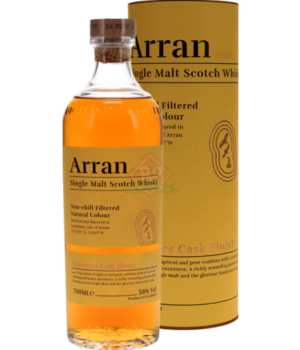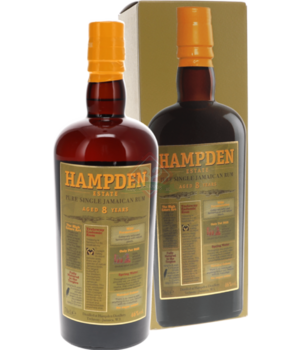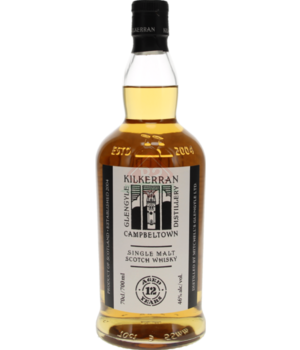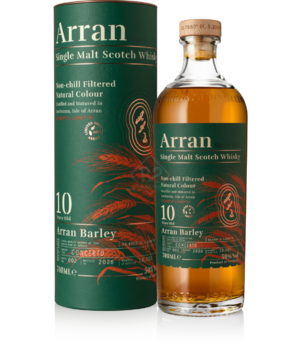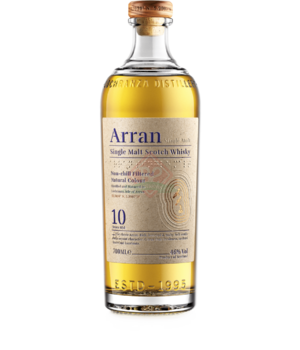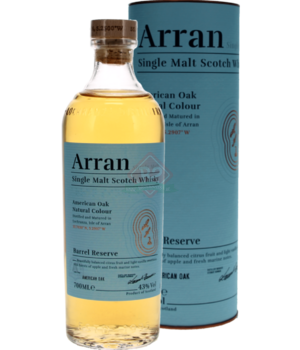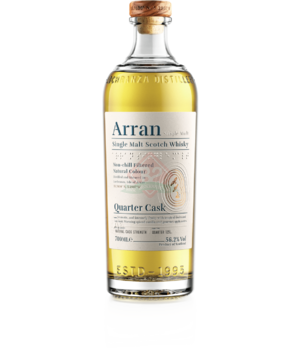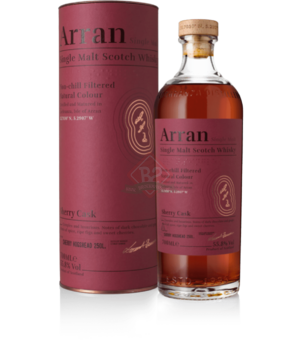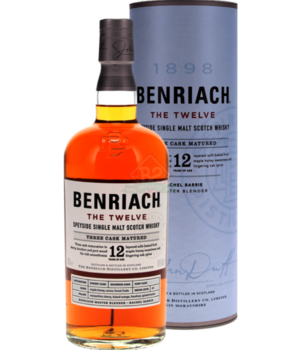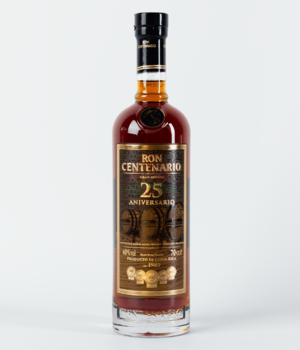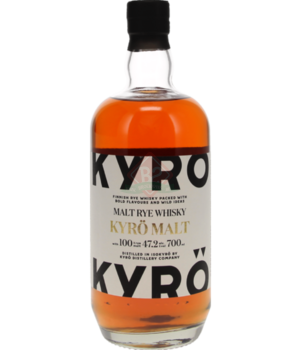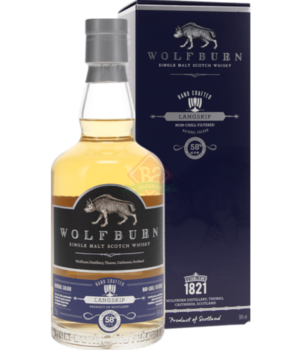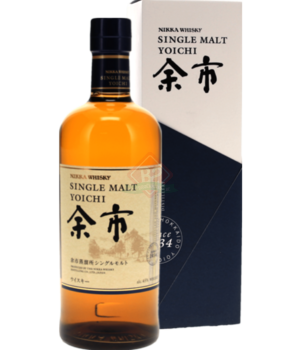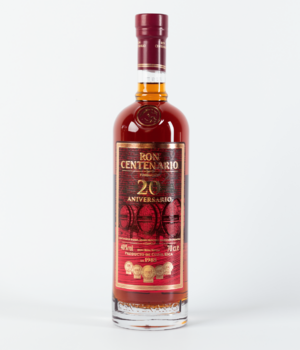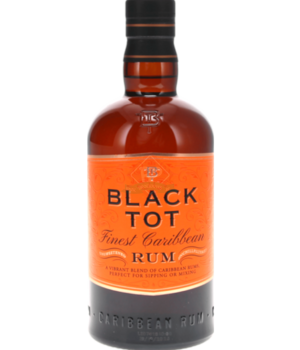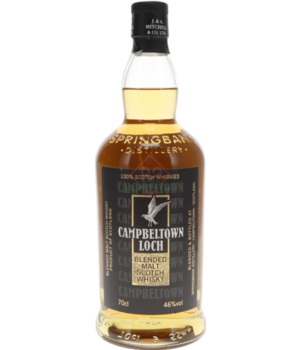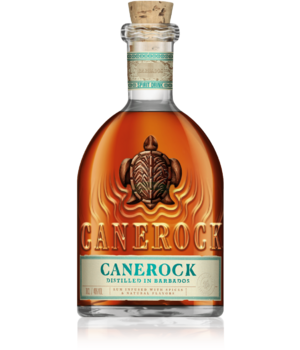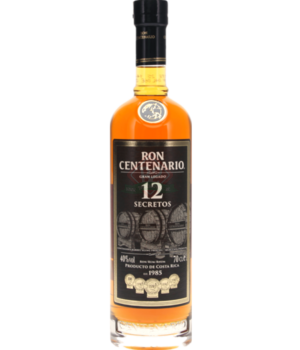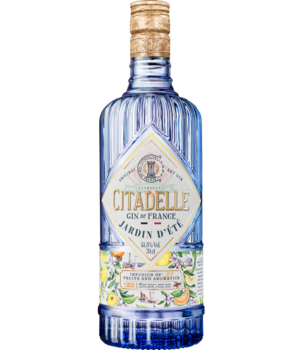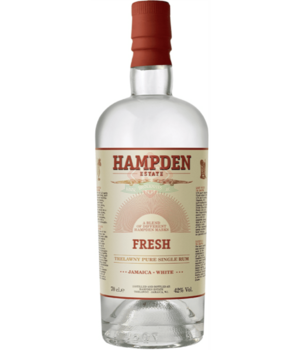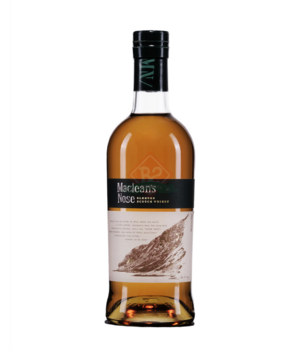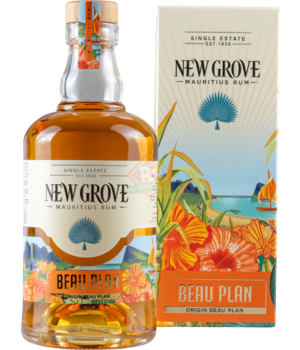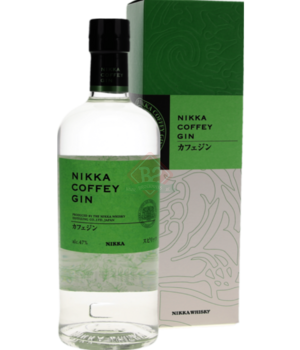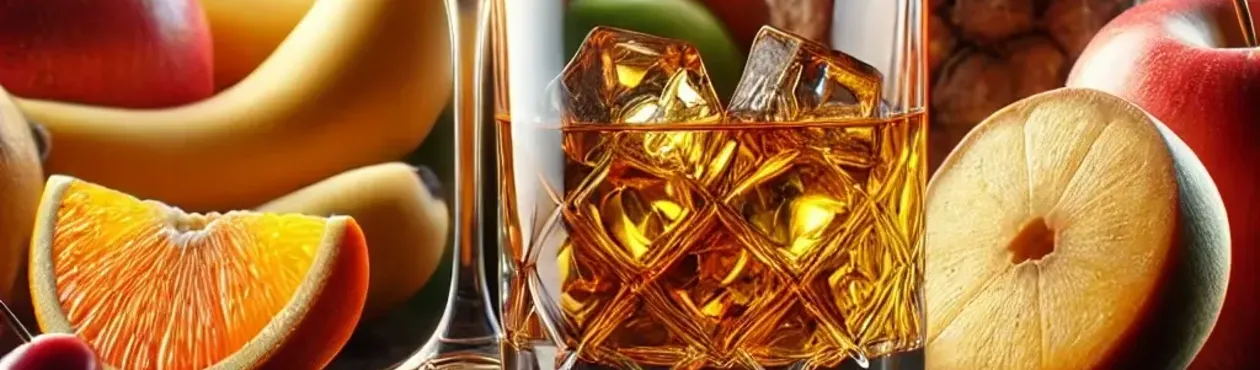
Whether you are a lover of complex whiskies or a fan of exotic rums, a fruity character in your glass can mean a real explosion of flavour. But what exactly makes a spirit fruity? How are those notes of apple, tropical fruit or citrus created? In this blog, we dive into the world of fruity whiskies and rums and discover what factors contribute to their lively and aromatic character.
Fruity Whisky: From Apple to Tropical Fruit
Whiskies with a fruity character can range from light and fresh apple notes to deep, ripe stone fruit and exotic aromas. This fruitiness results from a combination of ingredients, fermentation, distillation and maturation.
What factors determine fruitiness in whisky?
The grains used - Barley often gives light fruity notes, while corn (as in bourbon) contributes to riper fruit aromas such as peach and apricot.
The yeast and fermentation - Yeast types play a huge role in developing fruity esters. Long fermentations often result in more intense fruity aromas.
The shape of the pot stills - Long and slender stills promote lighter and fruitier whiskies, while shorter stills can be oilier and fuller.
The maturation process - The choice of cask helps determine fruitiness. Ex-bourbon casks bring fresh apple and citrus aromas, while sherry casks enhance notes of sultanas and dried fruit.
Examples of fruity whiskies
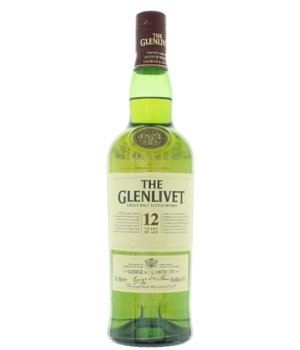
Glenlivet 12 Year Old - Fresh green apple and pear with a hint of citrus.
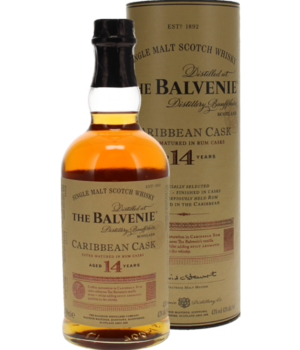
Balvenie 14 Year Old Caribbean Cask - A mix of ripe peach, honey and tropical fruit thanks to finish in rum casks.
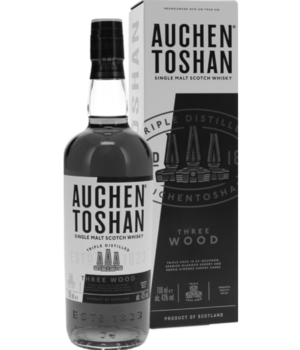
Auchentoshan Three Wood - Rich notes of orange and sultanas thanks to maturation in sherry casks.
Fruity Rum: Tropical Sun in your Glass
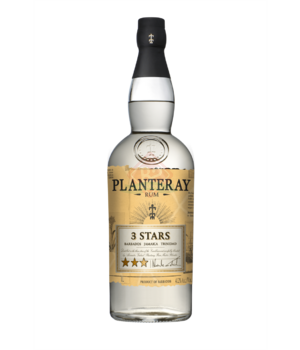
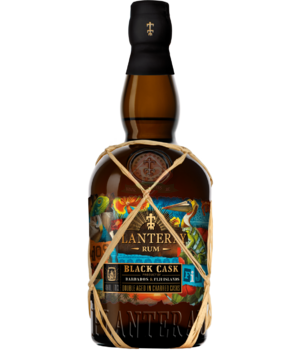
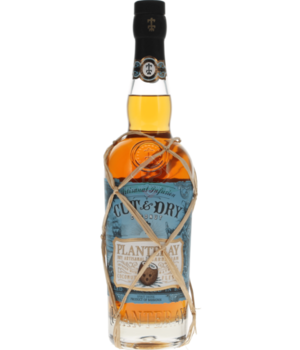
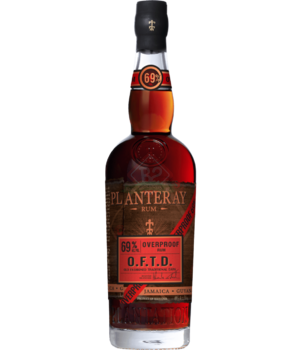
Rum, made from sugar cane or molasses, lends itself ideally to fruity notes. From the fresh citrus aromas of a white rum to the deep pineapple and banana notes of an aged variety - fruitiness is an essential feature in many rums.
What determines fruitiness in rum?
The type of sugarcane used - Fresh sugarcane juices (as in Rhum Agricole) often produce fresh, grassy fruit notes, while molasses gives a riper fruit profile.
Fermentation duration - Longer fermentation means more fruity esters. Jamaican rums with prolonged fermentation often have pronounced notes of banana and overripe pineapple.
Distillation method - Pot still rums often have more powerful fruit notes than column-distilled rums, which can be lighter and more refined.
Cask maturation - Ex-bourbon casks impart notes of tropical fruit, while sherry casks enhance dried fruit accents such as figs and plums.
Examples of fruity rums
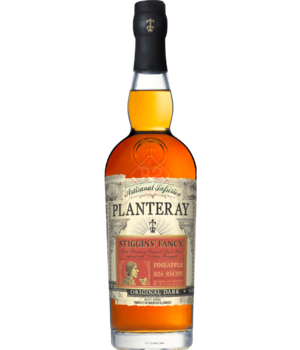
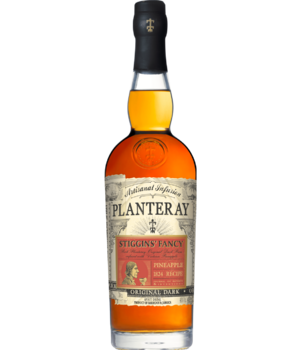
Plantation Pineapple Rum - Expressive notes of pineapple and citrus, ideal for cocktails.
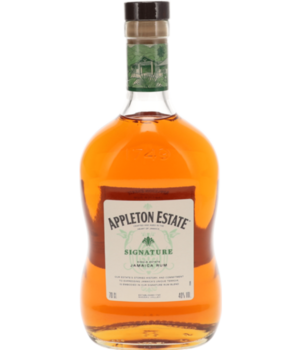
Appleton Estate 12 Year Old - Jamaican rum with rich notes of banana, orange and dried apricots.
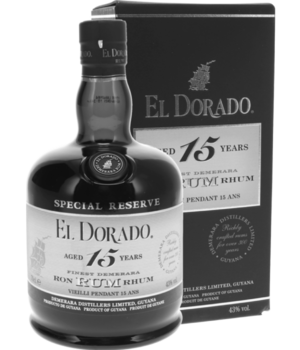
El Dorado 15 Year Old - Deep, sweet notes of caramelised orange and tropical fruit.
Conclusion: Fruitiness as a Signature of a Spirit
Whether it is whisky or rum, fruity aromas are created by an interplay of ingredients, fermentation, distillation and maturation. From the fresh apple notes in a Speyside whisky to the tropical explosion of a Jamaican rum, fruity spirits add a vibrant dimension to any tasting.