


Japanese wine
Please note: stock and availability in our store may vary! More info
Kiyoko Yuzu Infused Aperitif
28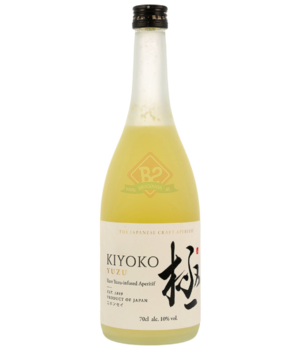

Kiyoko Yuzu Infused Aperitif
| 1 review
In stockKiyoko Yuzu Infused Aperitif is a Japanese aperitif made by combining pure yuzu juice with Junmai sake. Rather than a classic grape wine, it is a citrus-led aperitif in which the bright character of yuzu is carried by a fresh sake base.
The drink is associated with the Kansai region on Honshu. Its yuzu comes from mountainous areas in southern Japan along the Pacific, where sunlight and temperature differences are described as favourable for cultivation. The fruit is hand-picked and pressed directly after harvest to preserve freshness. The juice is pure, not made from concentrate, and no artificial aromas are mentioned.
The Junmai sake brings its own role to the blend, made with Gohyakumangoku rice and Miyamizu water from Mount Rokko. Kiyoko's toji, the master (…)Sake Hakutsuru Umeshu
29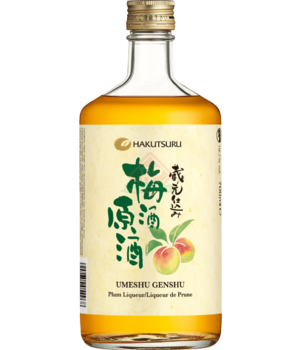
Sake Hakutsuru Umeshu
In stock
Hakutsuru Umeshu shows a distinctly Japanese side of plum. Made with Japanese ume plums, it is built around a sweet yet gently tart fruit character, with ripe plum notes and a subtle impression of plum stone.
Hakutsuru is based in Kobe, in Hyogo prefecture, and is best known as a sake producer. That makes this umeshu particularly interesting: it is not a classic grape wine, but a Japanese fruit-led drink with its own role at the table. The name Hakutsuru means white crane, linked to a house whose history goes back to 1743.
At Drankenshop Broekmans, we like to introduce this bottle to customers looking for something Japanese beyond sake. Serve it chilled for freshness, at room temperature for a rounder feel, or alongside creamy desserts, spicy dishes or bold, (…)Inishie 1984 Iwanoi Demi (37,5cl)
LAST PIECES152
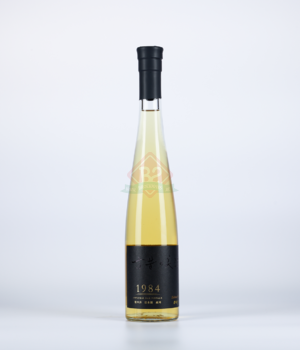

Inishie 1984 Iwanoi Demi (37,5cl)
In stock
Inishie 1984 Iwanoi Demi is not a conventional grape wine, but a long-aged Japanese sake from the 1984 vintage. Its golden colour and mature aromatic depth place it firmly in the world of koshu, where time brings layered aromas, savoury detail and a very distinctive drinking experience.
This is a Yamahai Junmai from Iwase Sake Brewing Co. in Onjuku, Chiba. The available information links the brewery with traditional sake making and a strong focus on aged sake. Made from rice and kji without added distilled alcohol, it was matured for an extended period in tank. The emphasis is therefore not on oak, but on the slow development of rice, acidity, minerality and aged sake character.
At Drankenshop Broekmans, this bottle stands out because it shows a less familiar (…)Inishie 2009 Maboroshinot Demi (37,5cl)
116
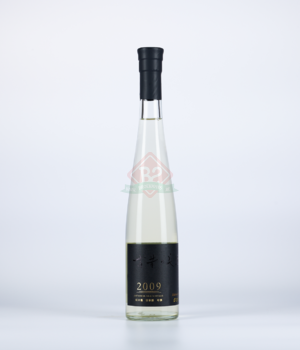
Inishie 2009 Maboroshinot Demi (37,5cl)
In stock
Inishie 2009 Maboroshinot Demi is best understood as a long-aged Japanese sake rather than as a conventional grape wine. The 2009 vintage gives it a clear sense of development: time has added aromatic depth, while the sake retains a sharp, dry, white-wine-like acidity.
What makes this 37.5 cl bottle particularly interesting is the way maturity and freshness meet. It does not move towards a heavy or syrupy style; instead, the impression remains taut and dry, with fruit, grain and nutty tones giving the sake its distinctive voice. At Drankenshop Broekmans, we see this as a thoughtful choice for drinkers who want to explore aged sake with a refined, gastronomic edge.
The sake is linked to Mikunihare Shuzo in Kurobe, Toyama Prefecture. Producer information refers (…)Inishie 2010 Tatsuriki Demi (37,5cl)
116
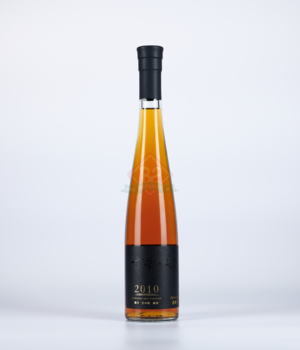
Inishie 2010 Tatsuriki Demi (37,5cl)
Only 3 left in stock!
Inishie 2010 Tatsuriki Demi is not a conventional wine, but a Japanese junmai-koshu: a long-aged sake made without added distilled alcohol. The 37.5 cl demi bottle suits the style well, because this is a sake to pour thoughtfully and enjoy in smaller, more considered servings.
Its identity starts with the rice. This cuvée is brewed entirely from Shinriki, a historic sakemai valued for brewing quality. Around three times the usual amount of koji is used, giving the sake the structure to mature for a long period and develop a markedly evolved aromatic profile.
Honda Shoten, the brewery behind Tatsuriki in Himeji, Hyogo, is responsible for this release. At Drankenshop Broekmans, we see this kind of aged Japanese sake as something quite distinct: less of a (…)Inishie Kiwami Coffret Vintage Sake 3x18cl (1983, 1995 & 1997) Incl. Box
247

Inishie Kiwami Coffret Vintage Sake 3x18cl (1983, 1995 & 1997) Incl. Box
Last one in stock!
Inishie Kiwami is not a conventional wine set, but a Japanese tasting coffret built around three long-aged Junmai sakes from the 1983, 1995 and 1997 vintages. Each 18 cl bottle explores a different expression of koshu, the Japanese tradition of aged sake. The word Kiwami means the peak or the ultimate, and in this context it refers to sake where time is not a background detail, but the heart of the experience.
The selection brings together sakes from different regions and breweries: Iwanoi from Chiba, Aoitsuru from Hyogo and Kashoku from Fukui. Tasted side by side, they show how sake can develop over decades, moving from amber-toned depth and bright acidity to floral, toasted and gently fruity impressions. The houses behind these bottles are rooted in long Japanese brewing (…)Inishie Kyoto Coffret Vintage Sake 3x18cl (1990, 1998 & 2013) Incl. Box
178
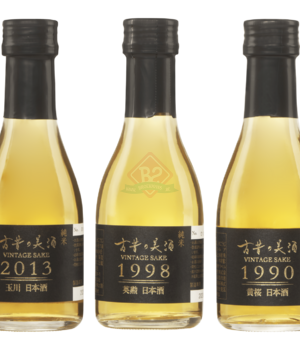
Inishie Kyoto Coffret Vintage Sake 3x18cl (1990, 1998 & 2013) Incl. Box
Last one in stock!
Inishie Kyoto Coffret Vintage Sake brings together three aged Japanese sakes in a 3 x 18 cl presentation. This is not grape wine, but rice-based sake, shown through three Kyoto vintages: Tamagawa 2013 from Kinoshita, Eikun 1998 from Saito and Kizakura 1990 from Kizakura.
The real focus here is ageing. Inishie works with long-matured sake, known as koshu, and this coffret places three different stages of maturity side by side, ranging from around ten years to more than thirty years. It is a thoughtful way to explore how sake can move into deeper, more evolved territory over time.
Kyoto forms the heart of the selection, with producers connected to the region's historic sake culture. At Drankenshop Broekmans, we see this as a particularly engaging bottle set for (…)Inishie Shiko Coffret Vintage Sake 5x18cl (1983, 1990, 1993, 1995 & 1999) Incl. Box
327

Inishie Shiko Coffret Vintage Sake 5x18cl (1983, 1990, 1993, 1995 & 1999) Incl. Box
Last one in stock!
Inishie Shiko is a vintage sake tasting coffret built around five 18 cl bottles from 1983, 1990, 1993, 1995 and 1999. Rather than presenting one single style, it lets you move through five different aged sakes, each from a separate Japanese brewery.
The name Shiko means the supreme, and in this case it refers to a carefully selected range of long-aged sake, or koshu. The breweries behind the selection were founded between the 17th and 19th centuries, so the appeal is not only in the flavour, but also in the sense of Japanese brewing heritage carried by the set.
Ageing is the heart of this coffret. With maturation ranging from 23 to 40 years, the profile moves far beyond the freshness of young sake into dried and ripe fruit, nuts, caramel-like depth, roasted (…)Sake Bijito Junmai 72cl
21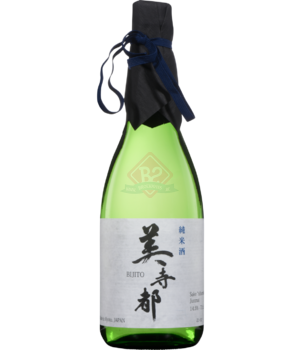
Sake Bijito Junmai 72cl
In stock
Bijito Junmai is a Japanese sake from Kyoto, produced by Kizakura, a sake producer founded in 1925. Despite often being discussed alongside wine, this is nihonshu: a fermented rice-based drink made with rice, water and koji, rather than grapes.
The junmai designation matters here, as it means the sake is made without added distilled alcohol. Bijito Junmai uses Koshi Hikari rice polished to around 70% of its original size before fermentation. That points to a clean, dry to gently rounded style, with clarity and finesse taking the lead over weight.
At Drankenshop Broekmans, we see this as a very approachable way to explore Japanese sake with food. It can be served chilled, but it also works gently warmed. Sushi, sashimi, udon and lighter dishes are natural (…)Sake Gekkeikan 72cl
6360° view available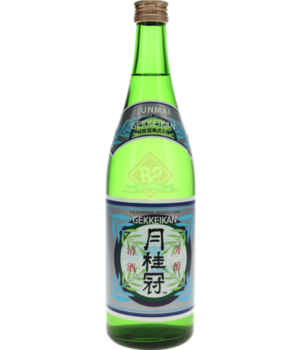
Sake Gekkeikan 72cl
In stock
Gekkeikan Sake 72cl is a Japanese junmai sake from Fushimi, Kyoto, produced by Gekkeikan Sake Company. Although sake is often placed alongside wine or rice wine in retail settings, it is a fermented rice-based drink. In this junmai style, the foundation is Japanese rice, rice-koji and water, with no added distilled alcohol.
Fushimi is an important part of the identity here. The sake is made with water from this Kyoto area, and Gekkeikan itself has a history dating back to 1637. The result is a classic, dry and rice-driven sake with enough umami depth to make it very useful at the table.
At Drankenshop Broekmans, we like to present this Gekkeikan as a versatile way to discover the drier side of Japanese sake. It can be served chilled, at room temperature or (…)Sake Hiten Hakucho 72cl
45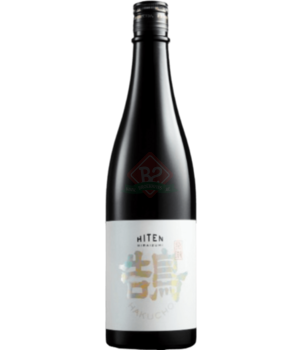
Sake Hiten Hakucho 72cl
In stock
Sake Hiten Hakucho 72cl is a Japanese sake from Hiraizumi in Akita, built around a very clear idea: to explore acidity as a defining feature of sake. It belongs to the HITEN range, where the traditional Yamahai method is interpreted in a more modern, fresh and precise style.
Its character comes from several layers of acidity. White koji contributes citric brightness, yeast no. 77 brings a green apple-like malic freshness, and the Yamahai method adds a lactic dimension. Rather than feeling technical, that combination makes the sake clean, vivid and refreshing in the glass.
Hakucho means swan, a name that connects naturally with the use of white koji and the bright, pale image surrounding this sake. At Drankenshop Broekmans, we see this as a fine choice for (…)Sake Izumibashi Green 1,8l
58
Sake Izumibashi Green 1,8l
In stock
Izumibashi Green 1.8l is a Japanese junmai sake with rice at the centre of its identity. It is not made from grapes, but from rice, water, koji and yeast by Izumibashi Shuzo in Ebina, Kanagawa. The generous 1.8 litre bottle suits the way this sake is meant to be enjoyed: shared at the table, alongside food, over more than a single small pour.
The connection between brewery and rice farming is an important part of its character. Izumibashi works with rice varieties such as Rakufumai, Omachi, Shinriki and Yamada Nishiki, grown by the brewery itself or within its own rice-growing structure. With an 80% polishing ratio, this junmai keeps the rice expression close to the surface, giving emphasis to umami, gentle sweetness and supportive acidity.
The green (…)Sake Izumibashi Green 72cl
44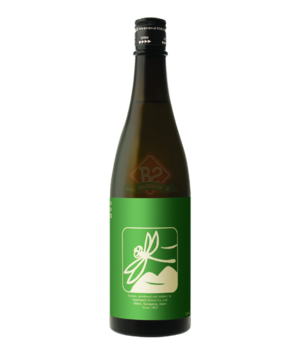
Sake Izumibashi Green 72cl
In stock
Izumibashi Green is a Japanese junmai sake from Ebina in Kanagawa prefecture. Its identity is built around rice. Izumibashi works with several sake rice varieties grown by or for the brewery, and the house is known for keeping rice cultivation, polishing and brewing as closely connected as possible.
This sake is also known as Tonbo Green, with the dragonfly motif on the label referring back to the rice fields. The rice is polished to 80%, and the sake spends one year in stainless steel tanks at low temperature. That keeps the focus firmly on rice expression, umami and freshness, without any oak influence.
At Drankenshop Broekmans, we see this as a sake with a strong place at the table rather than just a glass to sip on its own. It can be served chilled or (…)Sake Izumibashi Kuro 72cl
LAST PIECES49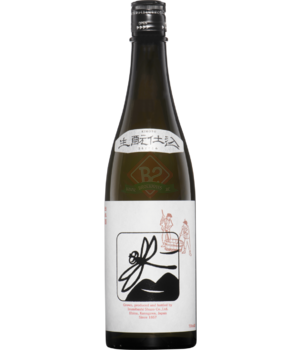
Sake Izumibashi Kuro 72cl
On request only
Izumibashi Kuro 72cl is a Japanese junmai sake from Ebina in Kanagawa prefecture. It is not wine in the strict sense, but sake made from rice, rice koji and water, with no added distilled alcohol. The sake belongs to Izumibashi's Kurotonbo series, also known as Black Dragonfly, with the black dragonfly on the label pointing back to the rice fields connected to the brewery.
Its identity is built around the traditional kimoto method. Izumibashi uses locally grown Yamada Nishiki rice, polished to 65%, and releases this Kurotonbo only after more than two years of maturation. The kimoto approach, including the manual yamaoroshi process, gives the sake a dry, umami-rich and more mature style.
At Drankenshop Broekmans, this is the kind of sake we like to introduce (…)Sake Izumibashi Kuro Tonbo Green 72cl
43360° view available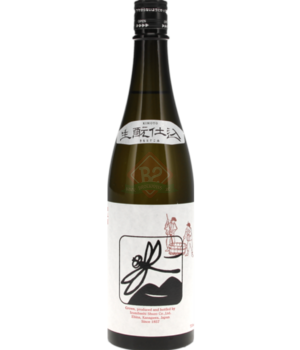
Sake Izumibashi Kuro Tonbo Green 72cl
In stock
Izumibashi Kuro Tonbo Green is a Japanese junmai sake from Kanagawa, brewed by Izumibashi Shuzo in Ebina. It is not a grape wine, but nihonshu made from rice, rice koji, water and yeast. As a junmai, it is made without added distilled alcohol, allowing the rice-driven character to remain at the centre of the sake.
Izumibashi Shuzo was founded in 1857 and is closely linked to rice cultivation. The dragonfly on the label refers to the rice fields surrounding the brewery, a fitting symbol for a producer whose philosophy begins in the field. Product information for this Green Label mentions several sake rice varieties, including Yamada Nishiki, Omachi, Rakufumai and Shinriki.
The rice is polished to 80%, giving this junmai room to show rice character, umami and (…)Sake Kadoguchi Hokko 72cl (La Maison Du Whisky)
46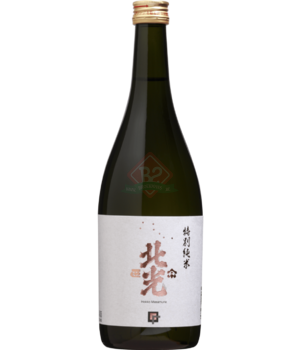
Sake Kadoguchi Hokko 72cl (La Maison Du Whisky)
In stock
Kadoguchi Hokko Masamune is a Japanese sake from Iiyama in Nagano Prefecture, on Honshu. Despite often being placed alongside wine, this is not grape wine but nihonshu, brewed from rice, rice-koji and water. The style is described as Tokubetsu Junmai, meaning no brewer's alcohol is added.
Kadoguchi Shuzo was founded in 1869 and is based in northern Nagano, close to the Niigata border. This is a snowy part of Japan, and the name Hokko Masamune refers to the Great Bear in the northern sky. For this sake, Kadoguchi uses 100% Kinmonnishiki rice from Kijimadaira, polished to 59%. The producer describes Kinmonnishiki as a rare Nagano sake rice that can bring breadth to the flavour.
At Drankenshop Broekmans, we see this as a sake for drinkers who appreciate a dry, (…)Sake Kitajima Natural I 1,8l
57
Sake Kitajima Natural I 1,8l
In stock
Kitajima Natural I is a Japanese sake from Shiga, brewed by Kitajima Shuzo in Konan on Honshu. It may sit comfortably among gastronomic wines, but it is not grape wine; it is rice-based sake. The 1.8 litre bottle and 18.2% alcohol level already suggest a sake with presence, made for thoughtful serving rather than casual background drinking.
At its centre is Wataribune, a local sake rice from Shiga with a historical story behind it. Kitajima works extensively with regional Omi rice and uses brewing water from underground streams flowing from the Suzuka mountains, east of Lake Biwa. The brewery describes this soft water as helping to bring out the umami of the rice.
Natural I is made using the traditional kimoto method, with a long, low-temperature (…)Sake Kitajima Naturali 72cl
45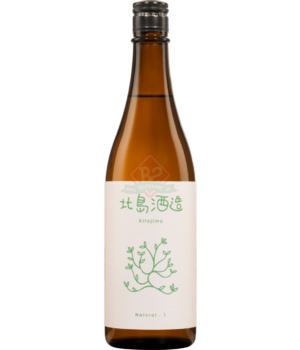
Sake Kitajima Naturali 72cl
In stock
Kitajima Naturali is a Japanese sake from Shiga, made by Kitajima Shuzo on Honshu. Rather than aiming for a very neutral, highly polished impression, it puts Wataribune rice at the centre, with long low-temperature fermentation and no charcoal filtration.
The kimoto method and the stated 88% polishing ratio give this sake a more grounded, expressive feel. It keeps close to the rice, with fermentative depth, a broad structure and a dry finish. At 18.2% alcohol, it also has a firmer presence than many lighter sake styles.
At Drankenshop Broekmans, we see this as a bottle for drinkers who want to explore sake with more texture and culinary range. It can be served lightly chilled, but also warm, with a recommended serving span from 15 to 55 °C.
Sake Kitajima Naturel II 72cl
48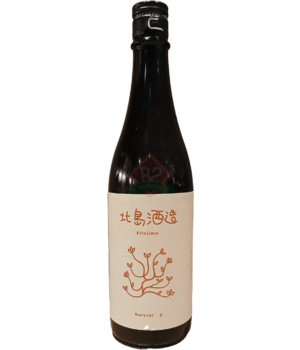
Sake Kitajima Naturel II 72cl
In stock
Kitajima Naturel II is a Japanese sake with a deliberately natural approach. It is brewed from pesticide-free rice, indigenous yeasts and no additives, so the focus stays firmly on rice, koji, fermentation and the brewer's touch rather than on polish or ornament.
The sake comes from Kitajima Shuzo in Konan, in Japan's Shiga prefecture on Honshu. It is made with Kiramizuki, a rice variety developed in Shiga, polished to 80%. The brewing style is kimoto junmai, a traditional method in which natural microbial activity and lactic acid bacteria play an important role in building the fermentation starter.
At Drankenshop Broekmans, this is the kind of sake we like to present when someone is looking for a bottle with a clear link between agriculture, brewing method (…)Sake Takeno Kameno 72cl
34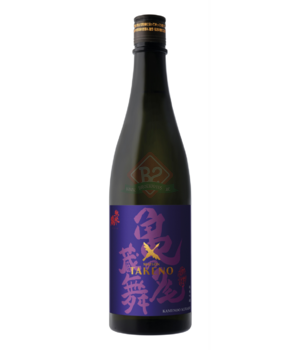
Sake Takeno Kameno 72cl
In stock
Sake Takeno Kameno 72cl is a Japanese sake from Takeno in Kyotango, Kyoto prefecture. Although it may sometimes sit near wine in a webshop structure, this is not grape wine: it is made from rice, kji rice and water. At Drankenshop Broekmans, what makes this bottle especially engaging is the way it focuses on Kame no O, an old rice variety with a strong local story.
Takeno's Kamenoo Kurabu cuvée is built around that rice. Producer information links it to the reintroduction of Kame no O in the area, a project that began around 2000 when a small amount of seed rice became available to Takeno. Local farmers around Kyotango then helped bring the variety back to a quantity suitable for sake production. That background gives the bottle a sense of place as well as (…)Sake Yokota Edo 72cl
23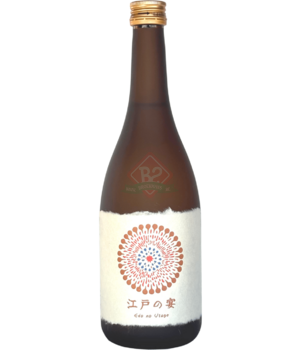
Sake Yokota Edo 72cl
In stock
Sake Yokota Edo 72cl is a Japanese junmai sake shaped as an interpretation of sake from the Edo period. At Drankenshop Broekmans, we see it as a bottle with a very clear identity: not a neutral, highly polished style, but a sake built around rice character, ageing and savoury depth.
It is made with local Asa no Hikari rice from Saitama, polished to 70%, and an old strain of sake yeast. The sake is described as muroka, meaning it has not undergone active charcoal filtration. That matters here, because it helps preserve more colour and flavour components. Ageing for 2 to 3 years in enamelled tanks adds further roundness and maturity.
The brewing method also sets it apart. Yokota uses yondan jikomi, a four-stage process rather than the more usual three-stage (…)Sake Yuji 72cl
21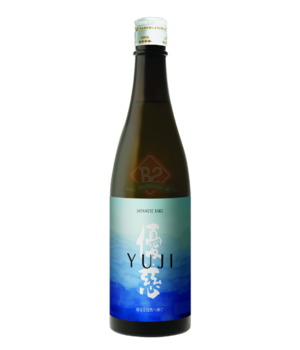
Sake Yuji 72cl
In stock
Yuji is a modern Japanese junmai sake brewed in Kobe, Hyogo, by Hakutsuru. Its 7.3% alcohol strength gives it a notably light profile, making it well suited to aperitif drinking and aromatic cocktail serves.
As a junmai sake, it is made without added alcohol. The emphasis here is not on weight, but on freshness, gentle sweetness and a floral, aromatic expression. Its Kobe origin connects it to a long sake tradition, while the drinking style feels distinctly contemporary.
At Drankenshop Broekmans, we like Yuji for customers who want to explore sake in a lighter, more refreshing way. Served well chilled, preferably in a wine glass, it works beautifully alongside salmon, gravlax, mussels, young cheeses and fresh or lightly salty dishes.
The aroma (…)Saké Gekkeikan 30cl
3360° view available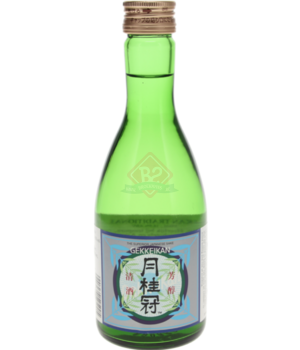
Saké Gekkeikan 30cl
In stock
Gekkeikan 30cl is a Japanese junmai sake from Fushimi, Kyoto, an historic sake area described in the supplied information as known for soft brewing water. Sake should not be approached here as grape wine: it is a brewed rice drink made from water, rice and rice-koji.
In this 30 cl bottle, Gekkeikan presents a dry, light and clean junmai style. The rice is polished to 70%, and the character stays focused on rice rather than sweetness. At 14.5% alcohol, it sits comfortably within the traditional profile described for this sake.
At Drankenshop Broekmans, we see this as a very useful introduction to Japanese junmai sake, especially for the table. It can be served chilled, at room temperature or warm, with the producer suggesting pairings such as tempura, fried (…)Saké Shirayuki
8360° view available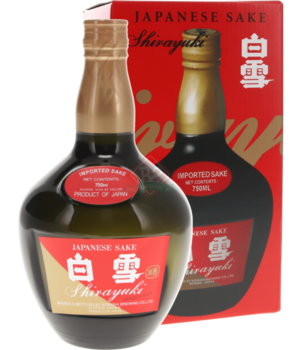
Saké Shirayuki
Not available for shipping
Saké Shirayuki is a Japanese sake from Shirayuki, a historic brand associated with Konishi Brewing Company, also known as Konishi Shuzo. Although sake is often placed alongside wine, it is not made from grapes; it is a fermented drink based on rice, water, koji and yeast.
The name Shirayuki literally means white snow, a fitting reference for a clear, filtered sake with a gentle style. The brand is linked to the brewing tradition of Itami in Hyogo prefecture, a place associated with the history of clear sake. Konishi's background also refers to underground water from the area around the Rokko mountains.
At Drankenshop Broekmans, we see this as an approachable introduction to traditional Japanese sake: light to medium-light in style, modest in aroma and (…)

